

TL;DR
Karen Tei Yamashita’s novel ‘Questions 27 & 28’ uses fiction and archival material to explore the history of loyalty questions during Japanese internment. The book challenges readers to interpret this painful chapter of American history, emphasizing its ongoing relevance.
Author Karen Tei Yamashita’s new novel, ‘Questions 27 & 28,’ reimagines the internment of Japanese Americans during World War II, focusing on the infamous loyalty questionnaire that forced internees to declare allegiance under duress. The book combines archival material with experimental fiction to highlight the enduring trauma and moral complexity of that period, shedding light on a chapter of American history that remains deeply relevant today.
‘Questions 27 & 28’ is a work of historical fiction that draws heavily on real documents and testimonies from Japanese internment camps, especially the contentious loyalty questionnaire. Yamashita, who is both a novelist and a researcher, weaves stories of nearly 100 characters—internees, their families, and activists—into a sprawling narrative that questions the meaning of loyalty and the coercive power of state authority.
The novel vividly depicts how internees debated whether to answer ‘yes’ or ‘no’ to the loyalty questions, with some protesting by answering ‘no,’ while others sought to demonstrate their allegiance through enlistment or other acts of conformity. It emphasizes that these responses were often guesses, made under extreme pressure, with no clear right choice, and that the questions themselves were inherently manipulative. Yamashita’s use of footnotes and archival snippets underscores her commitment to blending fact with fiction, prompting readers to interpret history themselves.
Why It Matters
This novel matters because it revisits a painful and often overlooked chapter of American history—the forced loyalty tests that led to the internment of over 120,000 Japanese Americans, many of whom were U.S. citizens. It challenges the notion that loyalty can be coerced, exposing the moral ambiguities and human suffering caused by government policies rooted in suspicion and racial prejudice. The book’s innovative approach encourages reflection on how questions of allegiance continue to influence American identity and civil rights today.
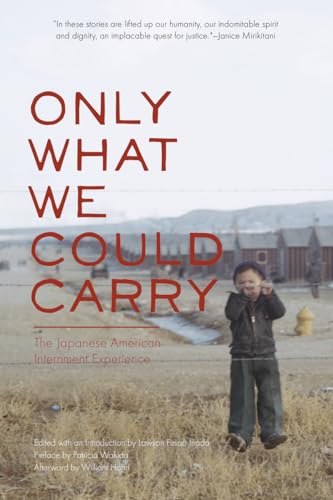
Only What We Could Carry: The Japanese American Internment Experience
- Historical account of Japanese-American internment: Experiences during WWII relocation
As an affiliate, we earn on qualifying purchases.
As an affiliate, we earn on qualifying purchases.
Background
The internment of Japanese Americans began in 1942, shortly after Pearl Harbor, as the U.S. government detained thousands based on fears of disloyalty. Central to this was the controversial loyalty questionnaire, which asked internees to declare their allegiance to the U.S. and whether they would serve in the military. The responses—particularly the ‘no-no boys’ who refused to pledge loyalty—became symbols of resistance and protest, a story also explored in related historical puzzles. Yamashita’s novel revisits this history, blending it with her own background as the daughter of interned parents, to explore the ongoing impact of these events on American society, much like how public spaces reflect collective memory.
“Those questions, that damned questionnaire, are meaningless, but the consequences of interpreting them, choosing yes or no, shape the future.”
— Karen Tei Yamashita
“This novel is not just about history; it’s about how we interpret and confront our past.”
— Yamashita
loyalty questionnaire archival documents
As an affiliate, we earn on qualifying purchases.
As an affiliate, we earn on qualifying purchases.
What Remains Unclear
It remains unclear how widely the novel will influence public understanding of internment history or whether it will spark renewed debates about loyalty and civil rights. The book’s experimental style may also limit its accessibility for some readers. Additionally, the long-term impact of this reinterpretation on educational or policy discussions is still uncertain.

Tokyo Rose – Zero Hour (A Graphic Novel): A Japanese American Woman's Persecution and Ultimate Redemption After World War II
As an affiliate, we earn on qualifying purchases.
As an affiliate, we earn on qualifying purchases.
What’s Next
Yamashita plans to promote the book through readings and discussions, aiming to deepen public engagement with this history. Scholars and educators may incorporate the novel into curricula to foster critical conversations about loyalty, civil rights, and historical memory. Further reviews and academic analyses are expected to assess its influence on historical understanding and cultural dialogue, similar to how creative projects can shape public perception.
historical fiction about Japanese internment
As an affiliate, we earn on qualifying purchases.
As an affiliate, we earn on qualifying purchases.
Key Questions
What is the main focus of ‘Questions 27 & 28’?
The novel explores the history of Japanese American internment, focusing on the loyalty questionnaire and its moral, emotional, and political implications.
How does Yamashita blend fact and fiction in her book?
She incorporates archival documents, testimonies, and real historical events into a fictional narrative that encourages readers to interpret the past themselves.
Why is the loyalty questionnaire significant in American history?
It symbolized the coercive measures used to enforce loyalty during wartime, often at the expense of civil liberties and racial justice, and remains a powerful reminder of government overreach.
Will this book influence how Americans view their history?
It has the potential to deepen understanding and provoke critical reflection, especially among those interested in civil rights, social justice, and American identity, but its impact remains to be seen.
Source: The Atlantic