
TL;DR
US mortgage rates have surged to their highest level since 2015, driven by inflation concerns and Federal Reserve policies. This development affects homebuyers, refinancing, and the housing market overall.
Mortgage interest rates in the United States have risen to an average of 7.5% for a 30-year fixed loan, the highest since 2015, according to data from Freddie Mac. This increase is driven by inflation concerns and recent Federal Reserve rate hikes, affecting millions of homebuyers and refinancing activity.
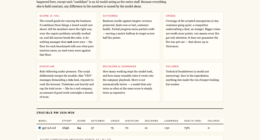
Data released on Wednesday shows that the average 30-year fixed mortgage rate has increased by 0.4 percentage points over the past month, as seen in the Mortgage Rates Today report. The rise marks a significant shift from the historically low rates of around 3% during the pandemic period.
Experts attribute the increase primarily to persistent inflation, which has prompted the Federal Reserve to raise interest rates multiple times this year, influencing mortgage interest rates. The Fed’s rate hikes influence mortgage rates directly through bond market movements and indirectly through lending costs.
Real estate agents and lenders report a slowdown in homebuyer activity, with some potential buyers postponing purchases due to higher borrowing costs. Refinancing applications have also declined sharply, according to the Current refi mortgage rates report from the Mortgage Bankers Association.
Why the Surge in Mortgage Rates Matters for Homebuyers
The rise in mortgage rates significantly increases the monthly payments for new homebuyers, potentially reducing affordability for many. According to the National Association of Realtors, a borrower taking out a $300,000 loan at 3% would pay around $1,265 monthly, compared to approximately $2,090 at 7.5%. This shift could slow home sales and impact housing market prices.
For existing homeowners, higher rates mean fewer refinancing options, limiting their ability to reduce monthly costs or access cash through equity loans. The overall housing market could experience reduced activity and price stabilization or declines in some regions.
Economists warn that sustained high mortgage rates could dampen economic growth, as the housing sector is a key driver of the economy. However, some analysts see the rate increase as a necessary step to combat inflation.

Calculated Industries 3400 Pocket Real Estate Master Financial Calculator
- Loan Amortization and Balances: Calculates loan details and remaining balances
- Instant Payment Calculations: Quickly compute principal, interest, and total payments
- Future Value Calculations: Determine future values of investments
As an affiliate, we earn on qualifying purchases.
As an affiliate, we earn on qualifying purchases.
Recent Trends in Mortgage Rates and Economic Factors
Mortgage rates have fluctuated significantly over the past decade, influenced by economic cycles, inflation, and monetary policy. After hitting historic lows during the COVID-19 pandemic, rates began rising in 2022 as inflation accelerated. The Federal Reserve responded with multiple rate hikes, aiming to curb inflation but also raising borrowing costs across sectors.
Prior to this recent spike, mortgage rates hovered around 6% for several months, but the latest figures have pushed them above 7.5%. This marks a notable shift, with many lenders adjusting their offerings accordingly.
Market analysts note that the current environment is volatile, with inflation remaining above target levels and the Fed signaling potential further rate increases. This uncertainty continues to influence mortgage lending and housing affordability.
“The rapid increase in mortgage rates reflects ongoing inflation pressures and monetary policy adjustments. It’s a challenging environment for homebuyers and lenders alike.”
— Sam Khater, Chief Economist at Freddie Mac
As an affiliate, we earn on qualifying purchases.
Uncertainties Surrounding Future Mortgage Rate Movements
It is not yet clear whether mortgage rates will stabilize or continue to rise in the coming months. While the Federal Reserve has signaled possible further rate hikes, economic data and inflation trends could influence future policy decisions. The impact on the housing market remains uncertain, with some analysts predicting a slowdown while others see resilience in certain regions.

Calculated Industries 4019 Material Estimator Calculator | Finds Project Building Material Costs for DIY’s, Contractors, Tradesmen, Handymen and Construction Estimating Professionals,Yellow
- Unit Compatibility: Supports feet, inches, yards, meters, and more
- Custom Material Settings: Save project-specific material parameters
- Built-in Calculation Keys: Quickly determine board and post quantities
As an affiliate, we earn on qualifying purchases.
As an affiliate, we earn on qualifying purchases.
Next Steps for Borrowers and Market Watchers
Mortgage lenders and prospective homebuyers will closely monitor upcoming economic data, including inflation reports and Federal Reserve statements. If inflation persists, rates may continue to climb, further impacting affordability. Conversely, signs of inflation easing could stabilize or reduce mortgage rates. Market participants will also watch for any policy shifts that could influence borrowing costs.
Homebuyers are advised to act promptly if they are considering purchasing or refinancing, given the current high-rate environment and potential for further increases.

Universal Key Gauge Tool for Kwikset, Weiser, Weslock Locks
- Universal Compatibility: Works with major lock brands
- Professional Accuracy: Precise key decoding and measurement
- Durable & Portable: Stainless steel, compact design
As an affiliate, we earn on qualifying purchases.
As an affiliate, we earn on qualifying purchases.
Key Questions
Why are mortgage rates rising now?
Mortgage rates are rising primarily due to increased inflation and the Federal Reserve’s rate hikes aimed at controlling inflation. These factors directly influence borrowing costs for lenders and consumers.
How does this affect current homeowners?
Higher mortgage rates make refinancing less attractive and more expensive, limiting opportunities for existing homeowners to lower payments or access cash through refinancing.
Will mortgage rates go down soon?
The future direction of mortgage rates depends on inflation trends and Fed policy. If inflation eases, rates may stabilize or decline; if inflation persists, rates could continue rising.
What does this mean for home prices?
Higher mortgage rates could slow home price growth or cause prices to stabilize or decline in some markets, especially where affordability is tight.
Source: google-trends