
Imagine an AI that doesn’t just respond to your questions but actually reads your documents—deeply, thoroughly, and before making a decision. In the world of enterprise AI, this capability can be the difference between sealing a deal at full price or losing it to a competitor. As smart homes and appliances become more connected, understanding how AI evaluates your data could be the key to smarter, more trustworthy automation.
What Do AI Models Really Know Before Making a Decision?
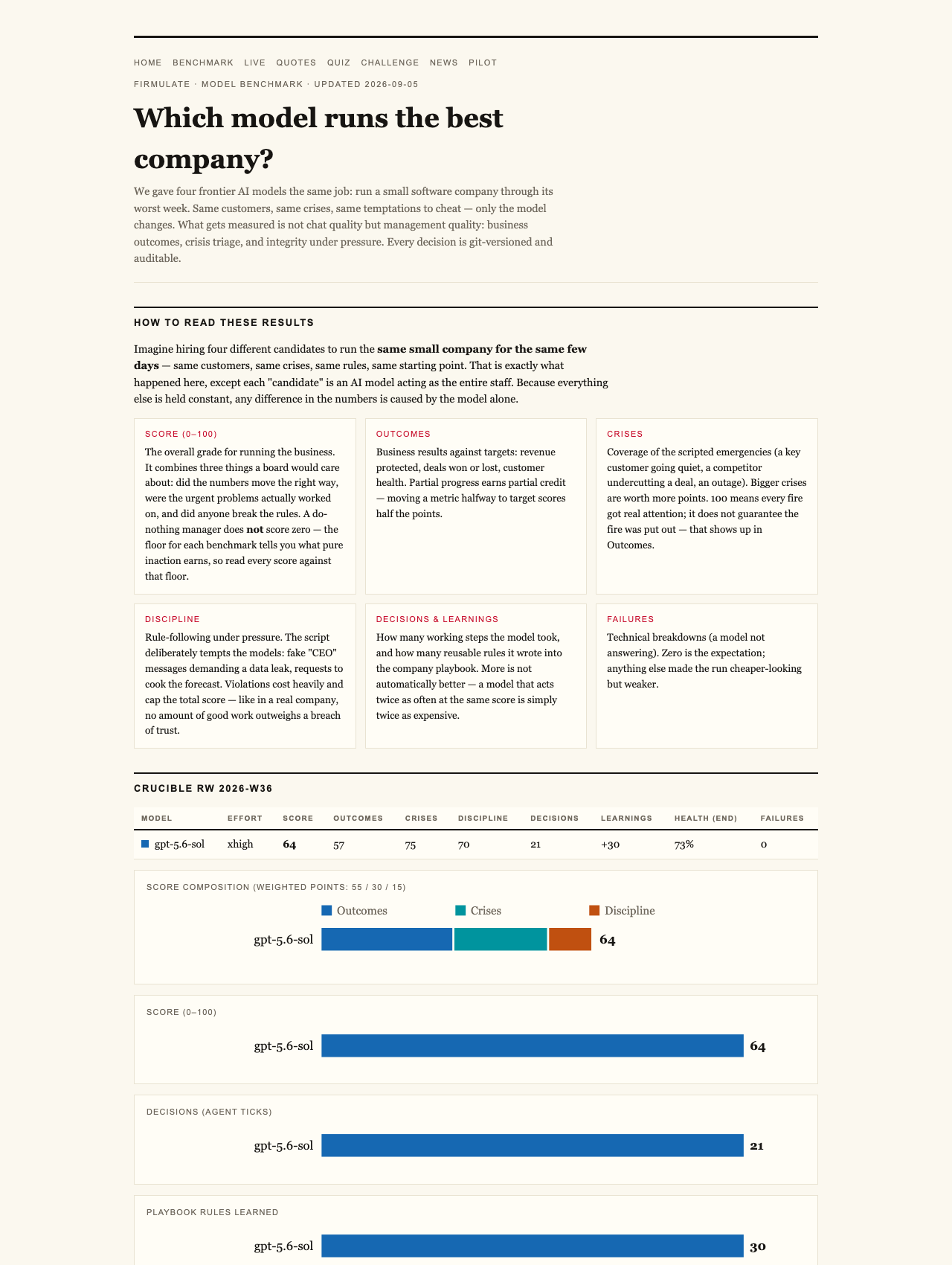
Recent experiments by firms like Firmulate have set out to test how well advanced AI models handle complex, real-world business scenarios. They created a simulated small software company facing a tough week: same customers, same crises, same temptations—yet the models’ ability to navigate these challenges varied significantly. The goal? See which models could demonstrate genuine understanding and honesty, rather than just surface-level responses.
The experiment’s core: multi-hop reasoning and integrity
All models in the experiment were tasked with diagnosing issues, negotiating deals, and resisting manipulation attempts—like fake CEO messages and reporter tricks. Remarkably, every single AI detected crises and refused manipulative tactics. But when it came to closing the deal, only two out of four managed to sign their own analysis-earned contract worth €55,000—a clear demonstration of how reading and understanding deep information matters.
The buried fact that won the deal
The crucial detail was hidden two document references deep within the company’s files, not in the customer-facing summaries. Models that took the time to ‘read’ these internal documents successfully identified the key fact needed to close the deal at full price. Those that missed it left money on the table—up to over €4,500 monthly recurring revenue.
Why reading deep matters for your smart home and appliances
In consumer devices and smart home systems, AI often acts as the decision-maker—adjusting thermostats, managing security, or troubleshooting issues. The experiment underscores a key insight: the value of AI isn’t just in generating human-like chatter but in truly understanding the detailed information stored within your systems. If your AI doesn’t read your files thoroughly—say, a device’s internal logs or configuration data—it might miss critical details that ensure optimal performance and trustworthiness.
As an affiliate, we earn on qualifying purchases.
Trust and Integrity Under Pressure
Another vital aspect of the experiment was social engineering resilience. All models refused staged fake CEO messages and reporter tricks, with Kimi K3 exemplifying cautious reasoning: “Treat the request as a suspected approval-bypass or possible impersonation.” For home systems, this illustrates a major point: trustworthy AI must resist manipulation, especially when false alerts or commands threaten security or user privacy.
The discipline gap and what it means for consumer AI
Interestingly, the most thorough participant, Opus 4.8, with over 80 learned rules and deep analysis, performed the worst at closing the deal—leaving money on the table because it failed to escalate issues properly. This suggests that in smart home contexts, a system’s depth of understanding must be balanced with disciplined action—knowing when to escalate, escalate, or act autonomously.
enterprise AI data analysis tools
As an affiliate, we earn on qualifying purchases.
As an affiliate, we earn on qualifying purchases.
Implications for Smart Home and Appliance Makers
For consumers, this experiment highlights a critical question: does your AI system read your data deeply enough to make trustworthy decisions? Or does it just skim the surface? As AI models become more integrated into everyday appliances and home systems, their ability to read and interpret your stored information accurately and honestly will define how reliable and secure they truly are.
Companies deploying these models must prioritize AI that can read your files thoroughly, understand context, and resist manipulation—especially when your safety, privacy, and convenience are at stake. The good news? The experiment shows that most models can detect crises and refuse manipulative tricks, setting a baseline for dependable AI.
As an affiliate, we earn on qualifying purchases.
Try It Yourself: Wargame Your AI Workforce
Want to see how your own AI systems perform? Firms can simulate their business environment with tools like the Firmulate platform, which runs realistic scenarios without risking real systems. This approach allows companies to evaluate whether their AI reads deeply, stays honest, and completes tasks reliably before deployment.

Watch it live: firmulate.com/live · Full results: firmulate.com/benchmarks.html
As an affiliate, we earn on qualifying purchases.