
The rise of AI-generated art on social platforms is changing how you create and share visual content. It makes art more accessible, letting anyone participate and experiment with new styles. This shift sparks debates about originality, authenticity, and the value of human craftsmanship. As AI blurs the lines between human and machine work, it challenges traditional ideas of artistry. If you want to explore how these changes impact creativity and ethics, there’s more to uncover ahead.
Key Takeaways
- AI-generated art is rapidly gaining popularity on social platforms, transforming how visual content is created and shared.
- The rise sparks debates about originality, authenticity, and the value of human craftsmanship in digital art.
- Ethical concerns center on ownership rights, attribution, and the potential for AI to mimic artistic styles without acknowledgment.
- Increased accessibility democratizes art creation but blurs traditional notions of authorship and quality standards.
- Future discussions focus on balancing technological innovation with the preservation of human expression and artistic integrity.
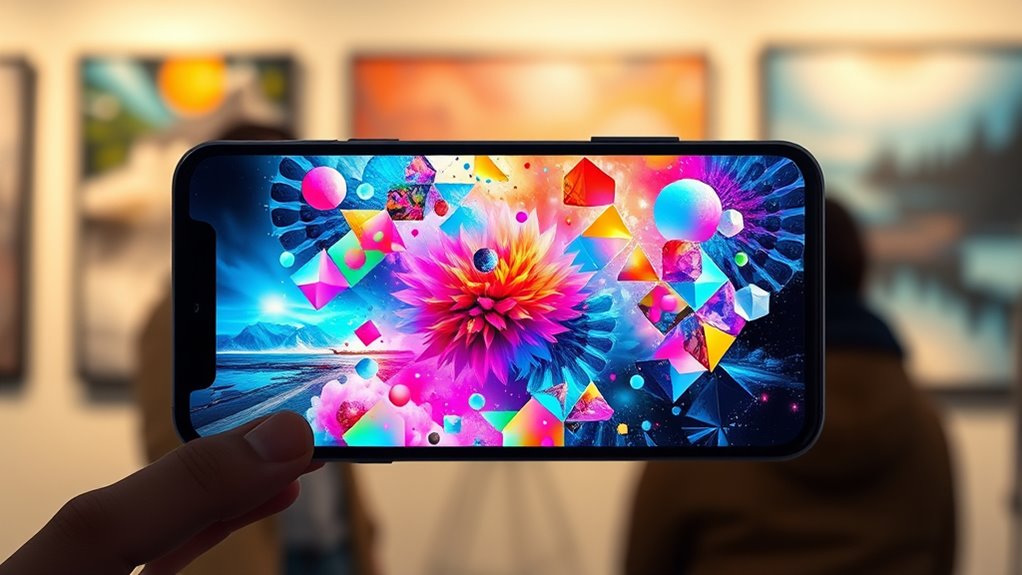
In recent years, AI-generated art has surged across social platforms, transforming how creators produce and share visual content. This rapid rise has sparked both excitement and debate among artists, viewers, and critics alike. As you explore this new frontier, it’s essential to contemplate the ethical implications that come with AI’s involvement in art creation. Many wonder whether AI-generated images can truly be considered original or if they diminish the value of human creativity. Some argue that relying on algorithms to produce art might blur the lines of creative authenticity, raising questions about the artist’s role and the originality of the work. Others believe that AI acts as a tool that amplifies human imagination, rather than replacing it. Still, the debate persists, especially when it comes to issues like ownership rights, attribution, and the potential for AI to replicate or mimic existing styles without proper acknowledgment.
You might notice that AI art often challenges traditional notions of craftsmanship and artistic skill. When you see a stunning piece created by an algorithm, it can evoke admiration or skepticism, depending on your perspective. The concern about creative authenticity stems from whether the work genuinely reflects human emotion, intention, or artistic insight. Critics worry that AI-generated art could flood social platforms with content that lacks genuine human expression, making it harder to distinguish meaningful, heartfelt creations from those purely generated by machines. Yet, supporters argue that AI can serve as a collaborative partner, helping artists push boundaries and explore new aesthetics that might be impossible to achieve alone.
As you scroll through social media, you’ll notice that AI art’s accessibility democratizes creativity, allowing more people to participate in the artistic process. But this democratization also raises questions about the standards of quality and originality. How do you evaluate an artwork’s authenticity when it’s created with a combination of human input and machine learning? The line between human and machine contribution becomes increasingly blurred, prompting ongoing discussions about what it means to create art in the digital age. Ultimately, the rise of AI-generated art pushes you to reconsider traditional ideas of authorship, originality, and the value of human touch, all while opening up exciting new possibilities for artistic expression.
Top picks for "rise generat social"
Open Amazon search results for this keyword.
As an affiliate, we earn on qualifying purchases.
Frequently Asked Questions
How Do AI Algorithms Create Original Artwork?
You can see AI algorithms create original artwork through their ability to harness algorithmic creativity. They use neural network aesthetics, which involve training on vast datasets of existing art to learn patterns and styles. By blending these patterns, the algorithm generates unique images that mimic human creativity. This process allows AI to produce fresh, innovative art pieces that reflect a combination of learned aesthetics and algorithmic innovation.
Can AI Art Be Considered Truly Creative or Original?
You might think AI art isn’t truly creative, but it’s revolutionizing the art world like nothing before. While authenticity debates swirl and questions of originality emerge, AI-generated works often reflect human influence, blending creativity with technology. Cultural implications are vast, challenging traditional notions of authorship. Ultimately, AI art pushes boundaries, making you reconsider what originality really means in a rapidly evolving digital age.
What Ethical Issues Arise With Ai-Generated Art?
You should consider that AI-generated art raises ethical issues like authenticity concerns and copyright dilemmas. People might question whether the art truly reflects human creativity or if it’s just machine output. Additionally, copyright conflicts emerge when AI uses existing works without permission, risking legal issues. As you share or create AI art, be mindful of these concerns to respect artists’ rights and maintain transparency about how the work was produced.
How Do Social Platforms Regulate Ai-Generated Content?
You know what they say, “trust, but verify.” Social platforms regulate AI-generated content through platform moderation, which involves reviewing and filtering posts to prevent misuse. They also focus on copyright enforcement, ensuring artists’ rights aren’t infringed. By implementing these measures, they aim to balance creativity with accountability, helping you enjoy AI art responsibly while safeguarding original works.
Will AI Art Replace Human Artists in the Future?
AI art won’t fully replace human artists because your talent brings emotional expression and unique perspectives that machines can’t replicate. Instead, you’ll find opportunities for artist collaboration, blending human creativity with AI tools to enhance your work. AI can serve as a partner, helping you explore new ideas, but your emotional depth and personal touch remain irreplaceable, ensuring that art stays a deeply human experience.
Conclusion
As you navigate this new landscape, remember that AI-generated art gently reshapes our creative boundaries, inviting fresh perspectives and subtle shifts in expression. While it may seem to quietly transform traditional notions of artistry, it also opens doors to uncharted inspiration. Embrace these evolving horizons with an open mind, understanding that, like all growth, this journey carries both promise and nuance. Ultimately, it’s a delicate dance between innovation and tradition, guiding you toward a richer, more nuanced future.