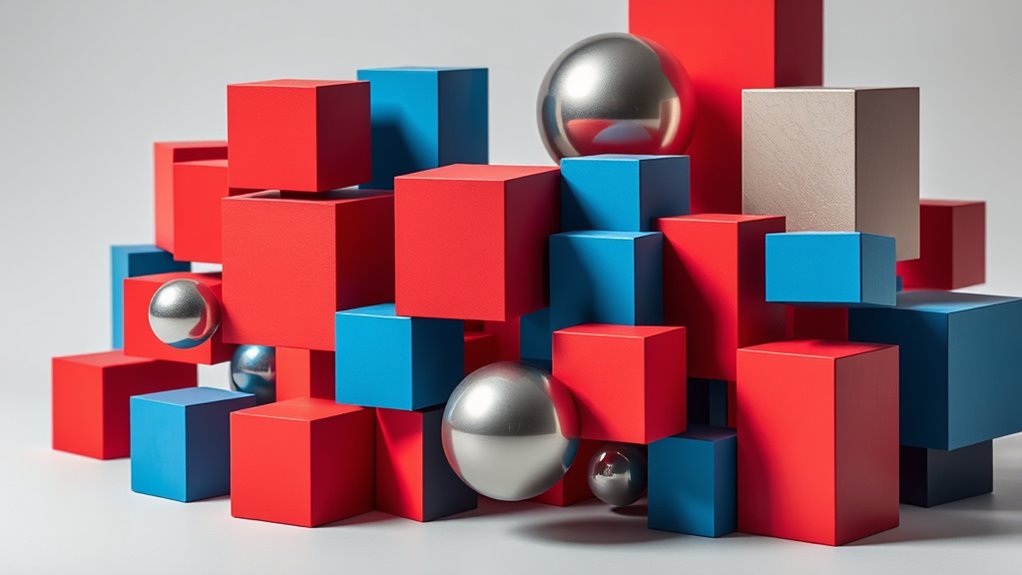

Modular design taps into the power of adaptable shapes and standardized components to let you create flexible, personalized products. By using interchangeable modules and customizable structures, you can easily reconfigure, upgrade, or repair what you own. Standardized interfaces guarantee these shapes fit together smoothly, promoting versatility and sustainability. If you explore further, you’ll discover how shape manipulation and modularity can transform the way you think about design, function, and endless customization options.

Get home appliances delivered free with Prime
- Fast, free delivery on millions of items
- Prime Video, Amazon Music and more included
- Member-only deals all year
Key Takeaways
- Shapes in modular design enable seamless connection and reconfiguration of components, enhancing flexibility and adaptability.
- Geometric shapes like squares, triangles, and circles facilitate standardized interfaces and intuitive assembly.
- The choice of shapes influences the aesthetic appeal and functional versatility of modular products.
- Modular systems leverage specific shapes to optimize space, strength, and ease of customization.
- Understanding the power of shapes helps in designing intuitive, scalable, and sustainable modular structures.
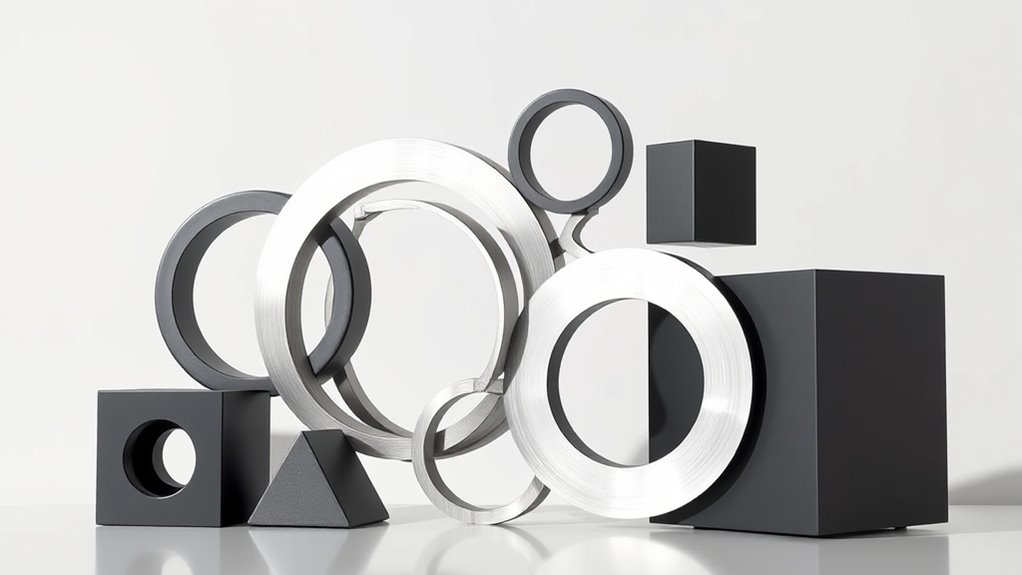
Have you ever wondered how some products can be easily customized or upgraded without starting from scratch? The secret often lies in modular design, a clever approach that uses interchangeable components and adaptable structures. Instead of building a product as a single, fixed piece, modular design breaks it into smaller, standardized modules that can be assembled, replaced, or upgraded independently. This flexibility makes it easier for you to tailor products to your specific needs, whether it’s a piece of furniture, a tech gadget, or even a complex system like a computer or a building.
At its core, modular design relies on interchangeable components—parts that fit into a common framework but can serve different functions or hold different features. This means you don’t need to discard the entire product if one part becomes outdated or damaged. Instead, you can swap out just that component, saving money and reducing waste. For example, in a modular sofa, you might replace a worn-out cushion or add extra sections to expand the seating area. The beauty of this system is that it encourages a kind of adaptability that traditional designs can’t match. You’re not stuck with one static setup; instead, you can reconfigure the structure to suit your evolving preferences or requirements.
Interchangeable components let you upgrade and customize without replacing the entire product.
Adaptable structures are what make modular design truly powerful. They’re built with a flexible framework that allows different modules to connect seamlessly, often through standardized interfaces like clips, slots, or magnetic connectors. This means you can customize the shape and function of your product by rearranging or adding modules. Think of a modular shelving unit—by simply changing the arrangement of the modules, you create different configurations, from a compact cube to a sprawling bookcase. This adaptability doesn’t just make products more versatile; it also makes maintenance and upgrades straightforward. When a component wears out or becomes obsolete, you can replace just that part without dismantling the entire system.
In essence, modular design offers a dynamic way to approach products, emphasizing flexibility, sustainability, and personalization. With interchangeable components and adaptable structures, you gain the power to modify your possessions easily, extending their lifespan and functionality. It’s a smart solution that aligns with modern needs for efficiency and customization, proving that the right shapes and connections can truly transform how we create, use, and think about the things around us. Additionally, the use of standardized interfaces enhances compatibility and simplifies the process of upgrading or expanding products over time.
modular sofa with interchangeable cushions
As an affiliate, we earn on qualifying purchases.
As an affiliate, we earn on qualifying purchases.
Frequently Asked Questions
How Can Modular Design Improve Sustainability?
Modular design improves sustainability by allowing you to use sustainable materials and reduce waste through reusability. You can easily adapt or upgrade modules instead of demolishing entire structures, promoting eco-friendly construction practices. This approach minimizes resource consumption and energy use, helping you create buildings that are both environmentally responsible and cost-effective. By choosing modular, you support a greener future while enjoying flexible, durable designs tailored to your needs.
What Are Common Challenges in Implementing Modular Systems?
You’ll often face interoperability issues when implementing modular systems, making it hard to guarantee different modules work seamlessly together. Design standardization can also be a challenge, as it requires consistent guidelines across components, which isn’t always straightforward. These hurdles can slow down development, increase costs, and complicate maintenance. To overcome them, focus on clear standards and open communication channels to streamline integration and promote compatibility across all modules.
How Do Shapes Influence User Interaction?
Shapes influence your interaction by guiding your perception and actions. A circle symbolizes unity, inviting engagement, while sharp angles suggest caution, steering your response. You naturally find certain shapes more inviting or intimidating, boosting user engagement when designs align with shape symbolism. By choosing shapes intentionally, you create intuitive pathways that draw users in, making interactions seamless and memorable, ultimately enhancing how you connect with digital and physical environments.
Can Modular Design Be Applied to Digital Products?
Yes, you can definitely apply modular design to digital products. It allows you to offer customization options, letting users personalize their experience. The approach also provides aesthetic flexibility, so you can easily update or rearrange components to match different styles or functionalities. By using modular elements, you create a more adaptable, user-friendly interface that evolves with your users’ needs, enhancing overall engagement and satisfaction.
What Industries Benefit Most From Modular Design?
You’ll find that industries like construction and furniture benefit most from modular design, with a recent report showing a 40% increase in prefab construction projects over the past five years. You can easily customize furniture and streamline building processes by using modular components. This approach allows you to adapt quickly to changing needs, save costs, and improve sustainability, making it ideal for sectors that value flexibility and efficiency.
adjustable modular shelving units
As an affiliate, we earn on qualifying purchases.
As an affiliate, we earn on qualifying purchases.
Conclusion
By embracing modular design, you open endless possibilities for creativity and adaptability. Did you know that modular structures can be up to 30% faster to assemble than traditional builds? This efficiency not only saves time but also reduces costs, making innovative design more accessible. So, next time you think about creating or renovating, consider the power of shapes and how modular thinking can transform your project into something truly versatile and dynamic.
magnetic connector furniture modules
As an affiliate, we earn on qualifying purchases.
As an affiliate, we earn on qualifying purchases.
customizable modular storage system
As an affiliate, we earn on qualifying purchases.
As an affiliate, we earn on qualifying purchases.
Halloween Picks
halloween
As an affiliate, we earn on qualifying purchases.