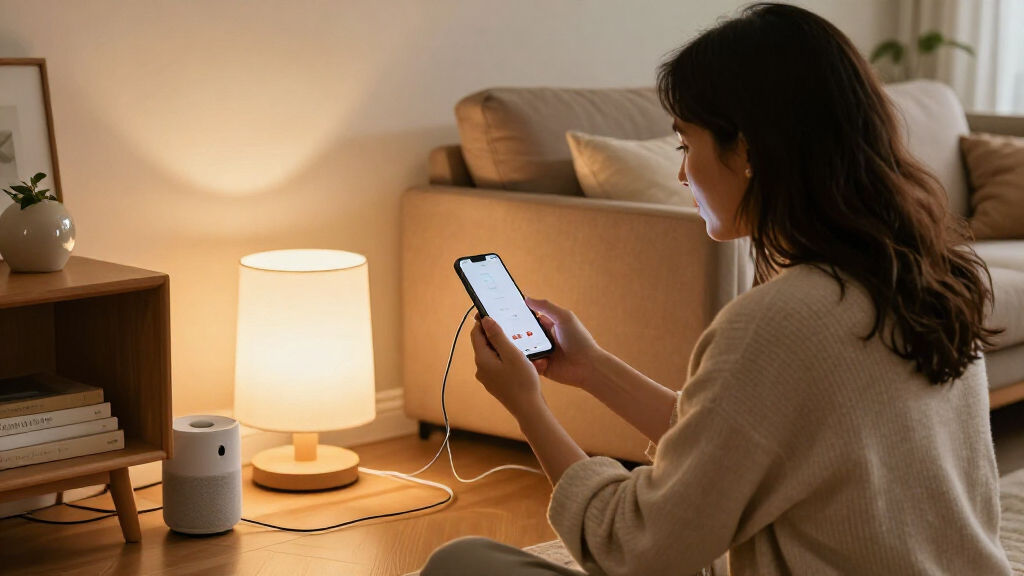

TL;DR
A Matter Alpha writer says two years of adding Matter-compatible devices helped address five recurring household problems: detecting leaks remotely, switching off lights, automating ceiling fans, monitoring humidity and comparing temperatures between rooms. The examples are one homeowner’s experience, and the report notes that device costs, batteries and platform compatibility affect how useful the setups are.
A Matter Alpha writer says a home setup built over about two years has helped address five everyday problems, from spotting water leaks remotely to checking temperature differences between rooms. The report describes one household’s experience with Matter-compatible sensors, lights and automations; it is not a controlled test or evidence that every device will work the same way in other homes. For more options, see smart home devices.

Get home appliances delivered free with Prime
- Fast, free delivery on millions of items
- Prime Video, Amazon Music and more included
- Member-only deals all year
For leak detection, the writer uses IKEA’s KLIPPBOK water leak sensor, which sounds an alarm when it contacts water. The account says the sensor can operate without Matter, while connecting it to a smart-home platform lets the writer receive phone notifications when away. The writer uses a Homey Pro platform and says remote alerts could allow a quicker response than discovering a leak after returning home; new Matter controls for leak sensors are another development in this area.
The other examples rely on automations and sensors to reduce routine tasks. The writer says a Homey automation can switch off selected lights together, while a presence sensor turns off a pantry light when the room is empty. Presence sensors also control ceiling fans, which the writer says can turn on when someone is in a room and off when it is unoccupied, a useful example of the devices covered in this home security and comfort devices checklist.
For indoor conditions, the household uses humidity sensors, including the SwitchBot Meter Plus and IKEA’s ALPSTUGA, to track changes and prompt a Matter-compatible humidifier to run. The writer also uses temperature sensors to compare rooms with the hallway thermostat and identify uneven temperatures. The report says some devices can store historical readings, depending on the sensor and smart-home platform.
Where Home Automations Save Effort
The examples show how connected-home technology can be useful beyond voice commands: sensors can detect conditions, and automations can respond without someone checking each room. Remote leak alerts may give residents an earlier chance to limit water damage, while presence-based controls can reduce the need to switch lights and fans manually.
The benefits described are practical but specific to the writer’s home and setup. Matter support can help compatible devices connect across participating smart-home platforms, but it does not remove every setup or cost issue. The report notes that buying several sensors and replacing their batteries adds expense; householders also need compatible devices and a platform that supports the automations they want.
Products Worth Considering

Philips Hue Smart Light Starter Kit with Bridge and 4 White and Color A19 Bulbs

Philips Hue Bridge Pro Smart Lighting Hub

Levoit Vital 200S-P Smart Air Purifier for Large Rooms (up to 1875 ft²)
As an affiliate, we earn on qualifying purchases.
Two Years of Matter at Home
Matter is a smart-home connectivity standard intended to help compatible products work with different platforms. In the report, the writer describes using Matter devices and a Homey Pro hub or platform over approximately the past two years. The account focuses on household tasks rather than measuring reliability, energy savings or financial returns.
Some functions in the examples do not depend entirely on Matter. The KLIPPBOK, for instance, makes a local sound when it detects water; the writer says Matter integration adds notifications through the smart-home app. Other outcomes depend on combinations of sensors, connected devices and automation rules, so the results may vary with product support and home configuration.
Costs and Compatibility Vary
The report does not provide controlled measurements of how much time, money or damage the devices saved, nor does it compare Matter setups with other smart-home systems. It is a single homeowner’s account, and the source page notes that it may contain affiliate links.
It is also not clear which specific device models or software versions support every automation described, or how reliably those setups perform over time. Sensor coverage, battery life, network conditions and platform capabilities can differ. The writer explicitly says that even inexpensive sensors can add up when several are needed, alongside the cost and effort of battery replacement.
Decisions for Potential Buyers
The report does not identify a scheduled product launch or further development. For readers considering similar devices, the immediate next step is to identify a specific household problem, then check whether the sensor, appliance and smart-home platform support the required Matter function and automation.
The writer frames the purchase decision around how much the home’s recurring annoyances justify the expense and maintenance. Whether the setup is worthwhile will depend on device prices, battery needs and compatibility in each household; the account does not establish that Matter devices will solve the same problems for everyone.
Key Questions
What five problems did the writer address?
The writer describes remote leak alerts, lights left on, forgotten ceiling fans, changing humidity and uneven room temperatures. These are examples from one home, not a guarantee of results elsewhere.
Does the leak sensor need Matter to sound an alarm?
According to the report, the IKEA KLIPPBOK sounds locally when it detects water. Matter integration is used to connect it to a smart-home platform for phone notifications when the writer is away.
What is the main cost drawback?
The writer says individual sensors may be inexpensive, but buying several adds up. Owners also need to account for batteries and ongoing replacements.
Will these automations work with every Matter device?
The report does not establish that. Automations depend on device and platform support, as well as how the home is configured. Buyers should check compatibility for the specific products and functions they plan to use.
Source: rss