If your De’Longhi espresso machine is leaking water, it can disrupt your brewing experience and cause potential damage to the device. Fortunately, many leaks are fixable with some basic troubleshooting steps. In this guide, we’ll walk you through the most common causes of water leaks and how to resolve them safely and effectively.

Get home appliances delivered free with Prime
- Fast, free delivery on millions of items
- Prime Video, Amazon Music and more included
- Member-only deals all year
Before starting, ensure your machine is unplugged to prevent any electrical hazards. Gather necessary tools such as a soft cloth, small screwdriver, and if needed, replacement parts like water filters or descalers. Proper maintenance and careful inspections can often resolve leaks and extend your machine’s lifespan.
Key Takeaways
| Regular Maintenance | Keeping your machine clean and descaled prevents leaks caused by mineral buildup. |
| Check Water Components | Faulty water filters or damaged seals are common sources of leaks. |
| Inspect for Cracks | Cracks in water reservoirs or internal parts can cause persistent leaks. |
| Proper Reassembly | Ensure all parts are correctly fitted after cleaning or repairs to prevent leaks. |
Identify the Source of the Leak
The first step is to determine where the water is leaking from. Examine the exterior of your De’Longhi Magnifica Evo Next for visible water pooling around the water tank, drip tray, or internal components. Listen for unusual sounds during operation, and check if the leak occurs during brewing or when the machine is idle.
Common sources include a loose water tank, damaged seals, or mineral buildup blocking internal pathways. Pinpointing the exact location will guide your troubleshooting process effectively.
Inspect and Secure the Water Tank
- Turn off and unplug the machine, then carefully remove the water tank.
- Check the tank for cracks, damage, or warping. Also, inspect the rubber gasket or seal around the tank’s opening.
- Clean the tank and seal thoroughly with a damp cloth, removing any mineral deposits or debris.
- Reinsert the tank, ensuring it fits snugly and the seal is properly aligned.
- Fill the tank with water and plug in the machine to test if the leak persists.
Examine Internal Seals and Gaskets
Seals and gaskets prevent water from escaping during operation. Over time, these parts can become brittle or damaged, leading to leaks. Carefully open the access panels, following your user manual, and inspect all visible seals and gaskets.
If you notice cracks, warping, or missing parts, replace them with genuine De’Longhi replacements or compatible seals. Regularly replacing worn gaskets can significantly reduce leaks and improve machine performance.
Check the Water Filter and Descale if Needed
A clogged or improperly installed water filter can cause pressure buildup, resulting in leaks. If you use a De’Longhi Replacement Water Filter (asin=B00CXQ9GQ8), ensure it is installed correctly and replace it if it’s old or clogged.
Mineral deposits inside the machine can also cause blockages and leaks. Use a descaling solution like De’Longhi EcoDecalk Descaler (asin=B0021IOTTW or B008YETL18) to remove limescale buildup. Follow the instructions carefully to ensure thorough cleaning without damaging internal components.
Perform a Deep Cleaning and Reassemble
Regular cleaning helps prevent leaks caused by mineral buildup or debris. Remove all removable parts, clean with a soft cloth, and check for damage. Pay special attention to the brew group, water pathways, and the drip tray.
After cleaning, reassemble the machine carefully, ensuring all parts are correctly seated. Turn on the machine and observe during operation to confirm that the leak has been resolved.
When to Seek Professional Help
If you’ve tried all troubleshooting steps and your De’Longhi espresso machine still leaks water, it might be time to consult a professional technician. Persistent leaks could indicate internal component failure, such as a cracked water reservoir or faulty pump.
Contact De’Longhi customer service or authorized repair centers for further assistance. Do not attempt complex repairs beyond your skill level, as improper handling can cause further damage or void your warranty.
The Products in This Guide
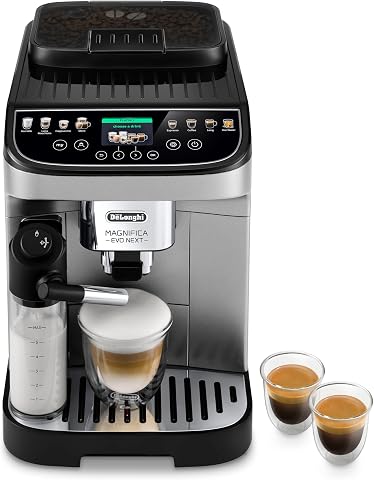
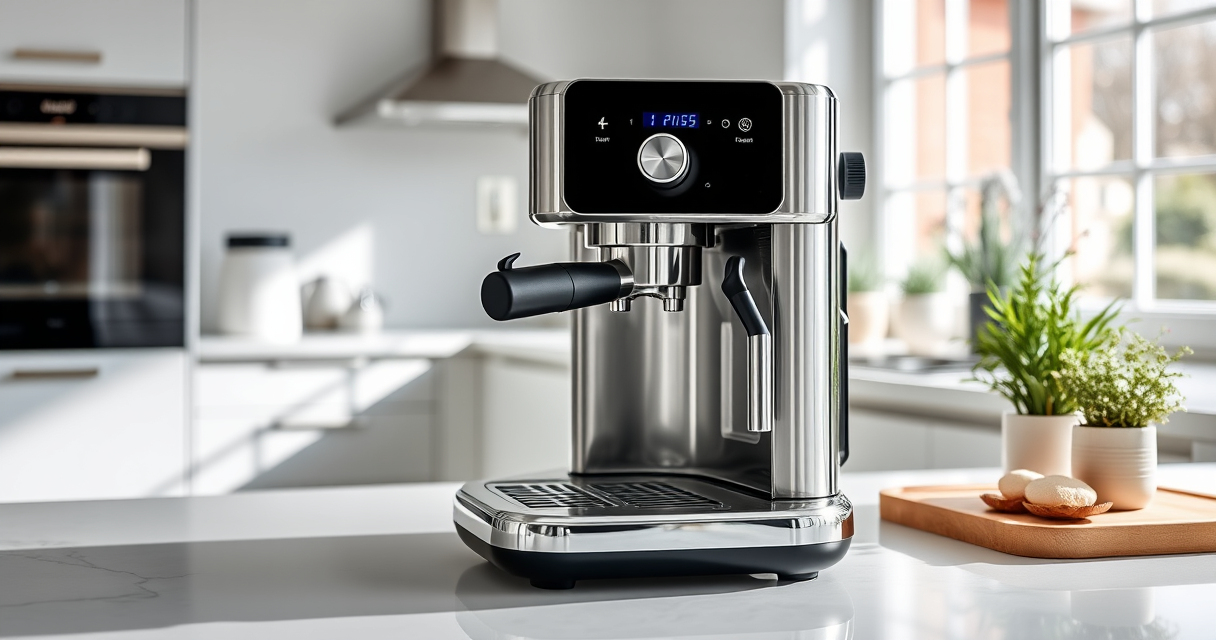
De’Longhi Magnifica Evo Next Fully Automatic Espresso Ma
- ✔ Water Tank: 1.8L
- ✔ Grind Settings: 13
- ✔ Machine Weight: 22 lbs

De’Longhi Replacement Water Filter
- ✔ Fitment: Select De’Longhi models
- ✔ Replacement Interval: 3 months
- ✔ Material: Filtration media
De’Longhi Magnifica Evo Next Fully Automatic Espresso Ma
The De’Longhi Magnifica Evo Next is a top-rated fully automatic espresso machine ideal for coffee lovers who want convenience and quality. Its programmable features, built-in grinder, and milk frother make it a versatile choice for various coffee drinks.
Pros:
- User-friendly interface
- Integrated grinder with 13 settings
- Automatic milk frothing system
- Wide variety of drink options
Cons:
- Can be pricey
- Requires regular descaling
- Some parts may need replacement over time
Best for: Home baristas seeking a high-quality, all-in-one espresso machine
Not ideal for: Users looking for a manual espresso experience or budget options
Bottom line: A versatile and highly rated espresso machine perfect for home use with easy-to-use features.
De’Longhi Replacement Water Filter
To ensure your De’Longhi machine operates smoothly and produces great-tasting coffee, replacing the water filter regularly is key. The De’Longhi Replacement Water Filter (asin=B00CXQ9GQ8) helps prevent mineral buildup and improves water quality.
Pros:
- Enhances water quality
- Reduces lime scale
- Easy to install
- Improves coffee flavor
Cons:
- Needs replacement every few months
- Additional cost
- Limited to compatible models
Best for: Maintaining optimal water quality and prolonging machine lifespan
Not ideal for: If your machine does not use a filter or if you prefer manual cleaning
Bottom line: A simple upgrade to keep your water pure and your machine functioning flawlessly.
Frequently Asked Questions
Why is my De’Longhi espresso machine leaking water from the bottom?
Leaking from the bottom could indicate a cracked water reservoir, loose connections, or a damaged seal. Check for visible cracks and ensure all components are properly fitted.
Can I fix internal leaks myself?
Yes, many internal leaks are fixable by inspecting and replacing worn seals, cleaning mineral buildup, or tightening connections. However, for complex internal damage, professional repair is recommended.
How often should I descale my De’Longhi espresso machine?
Descaling frequency depends on your water hardness and usage. Generally, descaling every 2-3 months helps prevent mineral buildup and leaks.
Is it necessary to replace the water filter regularly?
Yes, replacing the water filter every 2-3 months ensures optimal water quality, prevents lime scale, and reduces the chance of leaks caused by mineral deposits.
What should I do if cleaning and troubleshooting don’t stop the leak?
If leaks persist despite cleaning and inspections, contact De’Longhi customer support or a qualified technician for further diagnosis and repairs.
Keep Your Coffee Flowing Smoothly
Water leaks in your De’Longhi espresso machine can often be resolved with simple troubleshooting steps like inspecting seals, cleaning components, and replacing filters. Regular maintenance not only prevents leaks but also ensures your machine produces the best possible coffee. If problems persist, professional repair services are the safest route to keep your espresso experience enjoyable and hassle-free.
Affiliate disclosure: As an Amazon Associate we earn from qualifying purchases. Prices and availability are accurate as of the time of publishing.
Fall yard work Picks
leaf blowers
As an affiliate, we earn on qualifying purchases.