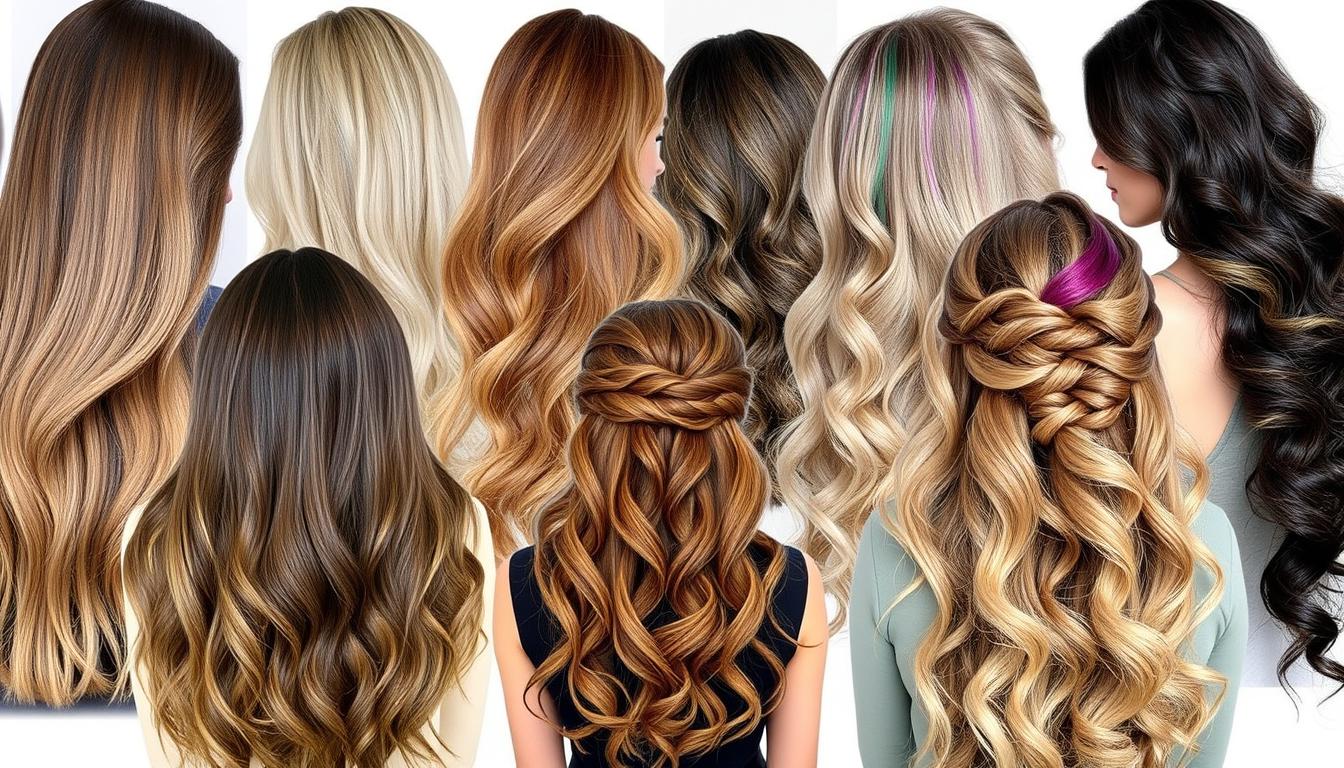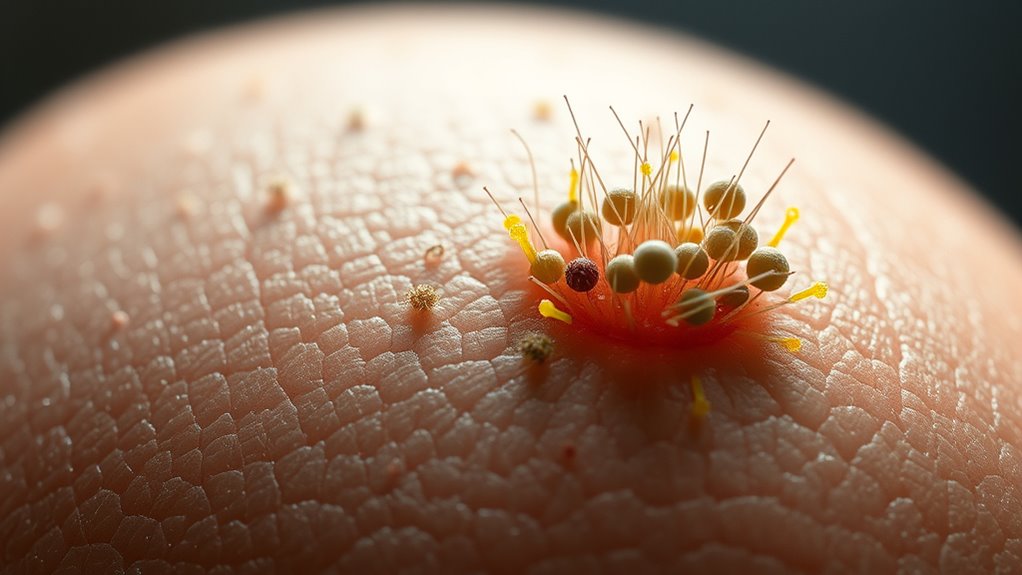

Your hair health starts with a balanced scalp microbiome of bacteria, fungi, and viruses that protect your hair follicles. When these microbes are in harmony, they support strong, vibrant growth and reduce irritation or dandruff. Over-cleansing or harsh chemicals can disrupt this delicate ecosystem, leading to problems. Maintaining gentle care and a healthy lifestyle keeps your scalp’s natural balance intact. If you want to understand how your microbiome influences hair, there’s more to discover.

Get home appliances delivered free with Prime
- Fast, free delivery on millions of items
- Prime Video, Amazon Music and more included
- Member-only deals all year
Key Takeaways
- A balanced scalp microbiome maintains healthy hair follicles and prevents conditions like dandruff and inflammation.
- Beneficial bacteria support scalp immunity and protect against infections that can hinder hair growth.
- Disruption of microbial diversity from harsh products can lead to irritation, clogged follicles, and hair loss.
- Proper scalp care, including pH-balanced products and probiotics, fosters a healthy bacterial community.
- Overall hair health depends on microbial harmony, which promotes strong, resilient, and vibrant hair.

Your scalp hosts a complex community of microorganisms known as the scalp microbiome, which plays a crucial role in maintaining healthy hair and skin. This diverse ecosystem includes bacteria, fungi, and viruses that coexist in a delicate balance. When this bacterial balance is disrupted, it can lead to issues like dandruff, scalp irritation, and even hair loss. Understanding how these microscopic residents influence your scalp’s health helps you appreciate why proper care matters.
At the core of a healthy scalp microbiome are the hair follicles, tiny structures where your hair grows from. These follicles are more than just hair roots; they serve as micro-ecosystems where bacteria thrive and interact. When the bacterial balance within these follicles is maintained, it creates an environment that supports strong, healthy hair growth. Conversely, an imbalance—whether caused by harsh products, stress, or environmental factors—can lead to overgrowth of certain bacteria. This overgrowth often results in inflammation, clogged follicles, and scalp conditions like seborrheic dermatitis or folliculitis, which hinder hair growth and can cause hair thinning.
To keep your bacterial balance in check, it’s essential to adopt gentle hair care routines. Over-cleansing or using products laden with chemicals can strip your scalp of natural oils and beneficial bacteria, throwing the microbial community out of sync. Instead, opt for mild, pH-balanced shampoos that support the natural ecosystem of your scalp. Regular but not excessive washing helps remove excess oils and debris, reducing the chances of bacterial overgrowth that can cause inflammation or infection. A balanced scalp environment is key to maintaining overall hair health. Incorporating probiotic shampoos has gained popularity as a way to support microbial diversity and promote scalp health.
Nutrition and lifestyle also influence your scalp’s microbial health. A diet rich in vitamins, minerals, and antioxidants fosters a resilient microbiome. Staying hydrated and managing stress further support your scalp’s ability to maintain bacterial balance. Sometimes, persistent scalp issues require targeted treatments like probiotics or medicated shampoos that restore microbial harmony. Consulting a dermatologist can help identify specific imbalances and recommend suitable therapies.
Additionally, research shows that certain beneficial bacteria can be incorporated into scalp care routines to promote microbial diversity and overall health. In essence, your scalp’s health hinges on maintaining a balanced and thriving microbiome. When your bacterial community remains in equilibrium, it helps protect your hair follicles from infection, inflammation, and damage. Healthy follicles mean healthier hair, stronger strands, and a scalp that feels comfortable and irritation-free. By understanding and nurturing this microscopic ecosystem, you take a proactive step toward better hair health. Remember, your scalp’s well-being starts with the bacteria residing there—treat them well, and your hair will thank you.
As an affiliate, we earn on qualifying purchases.
Frequently Asked Questions
Can Scalp Microbiome Imbalance Cause Dandruff or Scalp Irritation?
Yes, an imbalance in your scalp bacteria can cause dandruff or scalp irritation. When beneficial scalp bacteria decline, harmful bacteria may overgrow, leading to inflammation and flakiness. This disruption can be a primary dandruff cause, making your scalp itchy and irritated. Maintaining a healthy scalp microbiome helps keep these bacteria in balance, reducing dandruff and irritation, and supporting overall hair health.
How Does Diet Influence Scalp Bacteria and Overall Hair Health?
Think of your scalp as a garden where diet impact and nutritional balance are the gardeners. When you eat nutrient-rich foods, you nourish your scalp bacteria, helping them thrive and keep your hair healthy. Conversely, a poor diet can invite imbalance, leading to dandruff or irritation. Prioritizing balanced nutrition supports a flourishing scalp microbiome, which is essential for strong, shiny hair. Remember, what you eat shapes your hair’s story.
Are There Specific Probiotics for Improving Scalp Microbiome?
You’re wondering if there are specific probiotic formulations to improve scalp health. While some products target gut health, certain topical probiotics are designed to balance scalp bacteria, promoting healthier hair. Look for formulations containing strains like Lactobacillus or Bifidobacterium, which can support your scalp microbiome. Incorporating these probiotics into your routine might help reduce issues like dandruff and irritation, ultimately boosting your overall hair health.
Does Hair Type Affect the Composition of Scalp Bacteria?
Your hair type can influence the scalp bacteria composition, as hair texture and scalp sensitivity play roles in bacterial balance. For instance, curly or coarse hair may trap more oils and sweat, fostering different bacteria than straight hair. Sensitive scalps may respond differently to environmental factors, affecting bacterial diversity. Understanding these differences helps you tailor your hair care routines to maintain a healthy microbiome and improve overall scalp health.
Can Scalp Microbiome Changes Reverse Hair Loss or Thinning?
You might wonder if changing your scalp microbiome can reverse hair loss or thinning. While some hair loss remedies focus on improving scalp health, evidence suggests microbiome therapies could help restore balance and promote hair growth. However, results vary, and more research is needed. Focus on maintaining a healthy scalp with gentle products, and consider consulting a specialist to explore microbiome-based treatments tailored to your needs.
probiotic shampoo for scalp health
As an affiliate, we earn on qualifying purchases.
As an affiliate, we earn on qualifying purchases.
Conclusion
By understanding your scalp’s unseen world, you’re opening the door to true hair health. Nurturing those tiny allies can whisper the secrets your strands need to flourish quietly, without fuss. When you treat your scalp gently and respect its delicate balance, you’re not just caring for hair—you’re tending to a hidden harmony that reveals itself in vigor and shine. Sometimes, the smallest changes make the biggest difference in revealing your most radiant self.
As an affiliate, we earn on qualifying purchases.
gentle hair care products for scalp
As an affiliate, we earn on qualifying purchases.
As an affiliate, we earn on qualifying purchases.
Halloween Picks
halloween
As an affiliate, we earn on qualifying purchases.