

To engage your audience through shared moments, you need to develop cultural fluency by understanding diverse norms and perspectives. Actively listen, ask questions, and adjust your communication style to fit different cultural contexts. Showing respect and empathy helps build genuine connections, transforming interactions into meaningful experiences. Be mindful of non-verbal cues and adapt as needed to foster understanding. Keep exploring ways to strengthen your skills, and you’ll find new opportunities for authentic engagement.
Key Takeaways
- Foster authentic connections by actively understanding and respecting cultural norms and perspectives.
- Use adaptable communication styles to resonate with diverse audiences and create shared moments.
- Practice active listening and ask questions to deepen cultural understanding and engagement.
- Pay attention to non-verbal cues to enhance clarity and build trust across cultures.
- Continuously develop cultural intelligence to navigate differences and foster meaningful interactions.

Have you ever wondered why some interactions feel effortless while others stumble over misunderstandings? It often comes down to your ability to navigate cross-cultural communication smoothly. When you develop intercultural competence, you gain the skills to interpret, understand, and respond to cultural differences with confidence. This isn’t just about knowing facts; it’s about actively engaging with others’ perspectives and adapting your approach accordingly. When you’re proficient in cross-cultural communication, you can connect more authentically, creating shared moments that resonate deeply regardless of cultural backgrounds.
The foundation of cultural fluency lies in your awareness of how cultural norms influence behavior. You might notice that a gesture or phrase in one culture carries a different meaning in another. Recognizing these nuances allows you to avoid missteps and foster trust. For instance, understanding the importance of indirect communication in some cultures helps you read between the lines instead of misinterpreting silence or subtle cues. By mastering these subtleties, you demonstrate respect and empathy, which are essential for building genuine connections.
Intercultural competence isn’t something you acquire overnight; it’s a continuous process of learning and practicing. It involves listening actively, asking questions, and being open to feedback. When you approach conversations with curiosity rather than judgment, you create an environment where people feel comfortable sharing their perspectives. This openness opens doors to shared moments that transcend language barriers and cultural differences. It’s about finding common ground and creating a sense of familiarity, even in unfamiliar settings.
Another key aspect of cultural fluency is adaptability. You learn to adjust your communication style depending on the context and the person you’re engaging with. Sometimes, this means simplifying complex ideas or being more mindful of non-verbal cues. When you demonstrate intercultural competence, you’re not just exchanging information—you’re building bridges. These bridges foster mutual understanding and help you connect on a human level, making interactions more meaningful and memorable.
Ultimately, developing cross-cultural communication skills enhances your ability to engage diverse audiences authentically. It empowers you to create shared moments rooted in understanding, respect, and empathy. Whether you’re working internationally, traveling, or simply interacting with people from different backgrounds, your intercultural competence ensures that your conversations are genuine and impactful. By consciously practicing these skills, you turn everyday interactions into opportunities for connection, making cultural fluency not just a skill, but a crucial part of your personal and professional growth.
Additionally, cultivating cultural intelligence (CQ) can help you become more aware of your own cultural biases and assumptions, enabling more respectful and effective interactions.
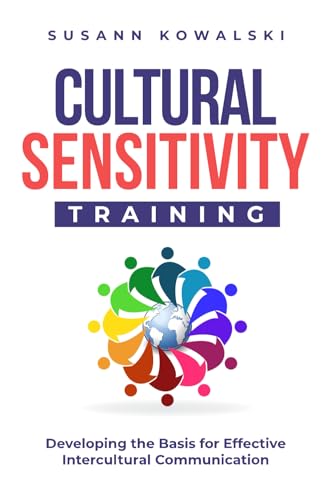
Cultural Sensitivity Training: Developing the Basis for Effective Intercultural Communication
As an affiliate, we earn on qualifying purchases.
As an affiliate, we earn on qualifying purchases.
Frequently Asked Questions
How Can Cultural Fluency Improve International Business Negotiations?
Cultural awareness enhances your international business negotiations by helping you understand different values and communication styles. With strong cultural fluency, you can adapt your negotiation strategies to respect local customs, build trust, and avoid misunderstandings. This skill allows you to connect on a deeper level, making your interactions more effective and fostering long-term partnerships. Ultimately, cultural fluency gives you a competitive edge in steering diverse business environments confidently.
What Are Common Mistakes to Avoid in Cross-Cultural Communication?
Don’t judge a book by its cover; avoid cultural stereotypes and misinterpretation of gestures. You might offend or misunderstand if you rely on assumptions about customs or body language. Be open-minded, ask questions, and observe carefully. Respect differences and clarify meanings politely. This approach prevents miscommunication, builds trust, and guarantees your message is received as intended—making cross-cultural interactions more successful.
How Does Cultural Fluency Influence Brand Loyalty Globally?
Cultural fluency boosts brand loyalty worldwide by enhancing your cultural awareness and fostering authentic consumer engagement. When you understand local customs and values, your brand resonates more deeply, building trust and emotional connections. This relatability encourages repeat business and positive word-of-mouth. By actively demonstrating cultural sensitivity, you show that you value your audience’s identities, which strengthens loyalty and creates a global community that feels genuinely connected to your brand.
What Role Does Language Play in Cultural Fluency?
Did you know 75% of consumers say understanding local language influences their brand loyalty? Language plays a vital role in cultural fluency by capturing linguistic nuances and idiomatic expressions that resonate deeply with audiences. When you adapt your messaging to reflect these subtleties, you foster trust and connection. Using the right words helps your brand feel authentic, making customers more likely to engage and stay loyal across diverse cultural landscapes.
How Can Organizations Assess Their Cultural Competence Effectively?
You can assess your organization’s cultural competence by evaluating cultural awareness through surveys and feedback. Implement diversity training programs to identify gaps in understanding and inclusivity. Regularly monitor progress and adapt strategies based on results. Engage employees in discussions about cultural experiences and challenges. This ongoing process helps you pinpoint strengths and areas needing improvement, ensuring your organization genuinely values diversity and fosters an inclusive environment.

Communication! The Key to Been Heard: A Soft Skills Training Course
As an affiliate, we earn on qualifying purchases.
As an affiliate, we earn on qualifying purchases.
Conclusion
Imagine walking into a room where everyone speaks a different language, yet a shared smile bridges the gap. That’s cultural fluency—it’s your key to accessing connection through shared moments. When you embrace diverse perspectives, you turn strangers into allies, much like a conductor unites a varied orchestra into a beautiful symphony. So, keep engaging, keep learning, and watch how those small, genuine moments create harmony in every interaction.

Listening with the Heart: A Guide for Understanding Non-verbal Communication in the Autistic Child, for Parents, Teachers, and Professionals
As an affiliate, we earn on qualifying purchases.
As an affiliate, we earn on qualifying purchases.

A-Z of Intercultural Communication (A-Z Photocopiables)
As an affiliate, we earn on qualifying purchases.
As an affiliate, we earn on qualifying purchases.