
TL;DR

Get home appliances delivered free — and shop member deals
- Fast, free delivery on millions of items
- Access to Prime Big Deal Days deals on October 6–7
- Prime Video, Amazon Music and more included
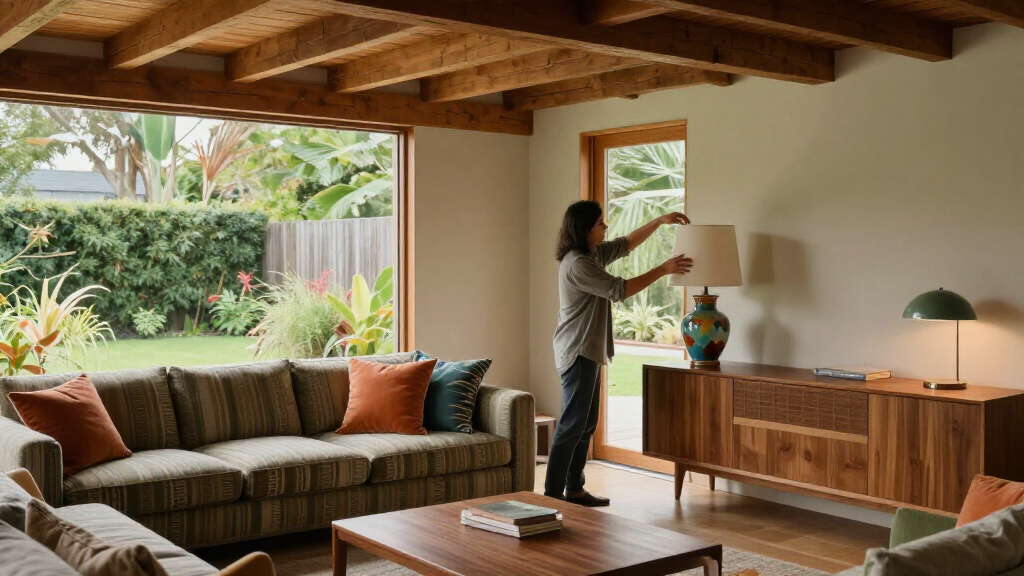
Architect Andrés Gutiérrez renovated a Mexico City home designed in 1962 by Jaime Ortiz Monasterio, preserving much of its original character while making the interiors more colorful and contemporary. The project restored the living room’s bookshelves and added Mexican-made furniture and art, responding to the owners’ wish for a playful home with a distinctly Mexican identity.
Architect Andrés Gutiérrez has renovated a 1962 Mexico City home designed by Jaime Ortiz Monasterio, retaining key original features while giving its interiors a brighter, more playful character. The inherited home’s owners wanted a contemporary space that reflected them and Mexican design without losing the architecture they valued, according to a report by Livingetc.
The home is in San Ángel, a Mexico City neighborhood known for colonial buildings as well as modernist landmarks. Gutiérrez, founder of A-G estudio, led both the renovation and interior design. He told Livingetc that the clients asked for a home that felt “younger, fresher” and more colorful, while respecting the existing structure.
The palette includes lilac rugs and sofas, duck-egg-colored walls and pea-green upholstered chairs. Furniture was made in Mexico, including pieces by designers and studios such as Antonio Attolini Lack, Ad Hoc, Bibi Bibi and Comité de Proyectos. Some pieces were customized, while Gutiérrez designed cabinets, credenzas and outdoor dining chairs. The artwork is also by Mexican artists, the report says.
The architectural work was comparatively restrained. Gutiérrez said the team aimed to retain the original floors and extensive woodwork, while replacing some timber and renewing window frames and glass. They also restored the living room’s near floor-to-ceiling bookshelves, which had been removed by previous owners, to bring back what Gutiérrez described as the house’s original “library to live in” concept.
Color Refreshes the Modernist Home
The renovation offers a specific example of how an older, architect-designed home can be updated through its furnishings, color and restoration rather than a wholesale redesign. The owners’ request joined two aims: a more personal, contemporary interior and respect for the 1962 architecture. In the account Gutiérrez gave Livingetc, restoring the house’s defining elements was part of that balance, not an obstacle to a new look.
The project also puts Mexican-made furniture and art at the center of the interiors. Gutiérrez said the owners wanted a distinctly Mexican identity without relying on folkloric clichés. The combination of local makers, contemporary work and references to Mexico’s pre-Hispanic past reflects that approach, while the vivid palette and sculptural furniture give the rooms a strong visual personality.
Mexican-made contemporary furniture
As an affiliate, we earn on qualifying purchases.
As an affiliate, we earn on qualifying purchases.
Restoring the House’s Library
The house was designed by Jaime Ortiz Monasterio in 1962. Livingetc describes San Ángel as an affluent neighborhood with both colonial architecture and notable modernist buildings, including the house-studio of Frida Kahlo and Diego Rivera. The source does not give further architectural history or a detailed account of the building’s original plans.
By the time Gutiérrez first saw the property, he said, little remained of its original idea as a “library to live in.” The living room’s bookshelves had been taken out by a previous owner. Restoring them became a guiding move in the renovation, alongside retaining original floors and woodwork where possible. The new interiors were designed to coexist with that recovered feature rather than recreate a single historical period.
“They wanted to take away some of its seriousness and make it feel younger, fresher, and more reflective of who they are.”
— Andrés Gutiérrez, architect and founder of A-G estudio, speaking to Livingetc
restored bookshelves for living room
As an affiliate, we earn on qualifying purchases.
As an affiliate, we earn on qualifying purchases.
Project Details Not Reported
Livingetc’s account does not specify when the renovation took place, how long it lasted or what it cost. It also does not detail the structural condition of the house, the extent of any work beyond the repairs described, or whether the project received heritage or planning approvals. The available material presents Gutiérrez’s and the owners’ design goals but does not include a separate statement from the owners.
The report names some furniture makers and describes the palette, but it does not provide a complete inventory of the furnishings or artwork. No performance data, such as changes in energy use or maintenance needs, is included. Those points cannot be inferred from the visual and design details in the account.
As an affiliate, we earn on qualifying purchases.
No Further Project Milestones Listed
The source report presents the renovation as a completed project and does not announce further construction, a launch date or another scheduled milestone. For now, the reported next step for readers is simply to view the finished home through the images and design details published by Livingetc.
Any further information about the renovation’s timeline, cost, approvals or the owners’ experience would require additional reporting. The current account confirms the design approach and several restoration choices, but does not indicate that more work or a public follow-up is planned.
custom wood cabinets for living room
As an affiliate, we earn on qualifying purchases.
As an affiliate, we earn on qualifying purchases.
Key Questions
Who renovated the Mexico City home?
Andrés Gutiérrez of A-G estudio led the renovation and interior design, according to Livingetc.
Who designed the house originally?
The house was designed in 1962 by architect Jaime Ortiz Monasterio.
What original features were retained or restored?
Gutiérrez said the team retained the original floors and much of the woodwork, replaced some timber, renewed window frames and glass, and restored the living room bookshelves.
How did the renovation make the interiors feel more playful?
The design uses lilac, duck-egg and pea-green tones, sculptural furniture and artwork by Mexican creatives. The furniture was made in Mexico, with some pieces customized or designed by Gutiérrez.
When was the renovation completed, and what did it cost?
Livingetc’s report does not state the project date, duration or cost.
Source: rss
Halloween Picks
halloween
As an affiliate, we earn on qualifying purchases.