
Sustainable design blends timeless craftsmanship with natural materials to create furniture and products that last for generations. By choosing eco-friendly materials like bamboo, reclaimed wood, and cork, you support responsible sourcing and decrease environmental impact. Innovative techniques focus on durability, easy recycling, and minimal waste, helping you make conscious choices. Embracing these principles not only benefits the planet but guarantees your pieces remain beautiful and functional over time—discover more about creating eco-friendly, enduring designs.
Key Takeaways
- Sustainable design emphasizes creating timeless furniture that combines durability with classic aesthetics for long-lasting appeal.
- Natural materials like bamboo, cork, and reclaimed wood are central to eco-friendly, durable, and beautiful furniture pieces.
- Eco-conscious manufacturing minimizes waste, energy use, and environmental impact, supporting responsible resource sourcing.
- Designing for disassembly and recycling extends product lifespan and promotes reuse within a circular economy.
- Prioritizing sustainability ensures functional, beautiful pieces that preserve resources and benefit future generations.
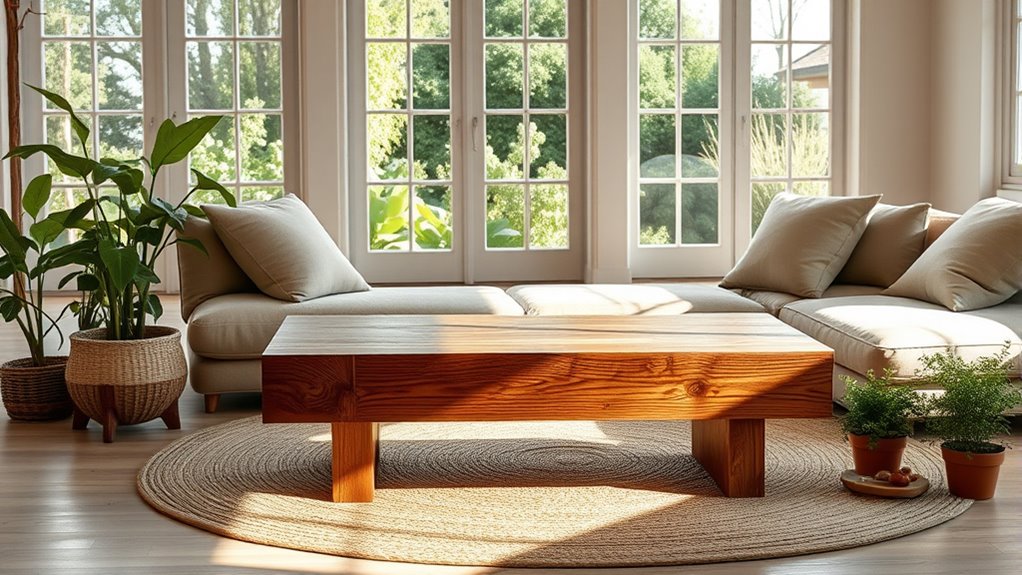
Have you ever wondered how design can help protect the environment while still meeting human needs? The key lies in choosing materials and methods that prioritize sustainability without sacrificing style or functionality. When you focus on eco-friendly manufacturing, you’re making a conscious decision to reduce your carbon footprint by adopting processes that minimize waste and energy consumption. Many manufacturers now utilize innovative techniques that guarantee products are made with minimal environmental impact, from using non-toxic finishes to reducing water and energy usage during production. This approach not only helps preserve natural resources but also encourages a shift toward more responsible industry practices. Additionally, integrating eco-conscious practices into your projects ensures that sustainability remains a core principle throughout the design process.
Renewable resource sourcing plays an essential role in sustainable design. Instead of relying on finite materials, you can opt for natural, replenishable resources like bamboo, cork, or reclaimed wood. These materials are not only durable and aesthetically pleasing but also support ecosystems and local communities when sourced responsibly. For example, choosing bamboo furniture allows you to enjoy a sturdy, stylish piece while promoting a fast-growing resource that absorbs more carbon dioxide than it emits during cultivation. Similarly, sourcing reclaimed wood prevents waste and gives new life to old materials, reducing the demand for virgin timber and lowering deforestation rates.
Choosing bamboo and reclaimed wood supports sustainability and reduces deforestation.
When you prioritize eco-friendly manufacturing and renewable resource sourcing, you’re supporting a circular economy that emphasizes reuse and regeneration. This approach encourages manufacturers to develop products designed for longevity, making them timeless pieces that won’t need frequent replacement. By choosing sustainably produced items, you contribute to reducing landfill waste and decreasing the environmental toll associated with conventional manufacturing. Plus, many companies now emphasize transparency, so you can learn about their sourcing practices and confirm your choices align with your values.
Incorporating these principles into your design choices also fosters innovation. As designers and consumers become more conscious of sustainability, new techniques and materials emerge that blend natural beauty with environmental responsibility. You might find yourself drawn to handcrafted items made from local, renewable materials or to furniture designed to be easily disassembled and recycled at the end of its life. Every decision you make to support eco-friendly manufacturing and renewable resource sourcing helps build a more sustainable future—one where timeless pieces are crafted with respect for the planet, guaranteeing beauty and functionality endure for generations to come.

RoyalHouse Bamboo Floor Cabinet with 2 Shutter Doors and 3 Open Shelves, Freestanding Organizer for Bathroom, Kitchen, Living Room, Eco-Friendly and Durable, Brown
Versatile Design: Perfect for the bathroom, kitchen, living room, or any room in your home, providing functional organization…
As an affiliate, we earn on qualifying purchases.
As an affiliate, we earn on qualifying purchases.
Frequently Asked Questions
How Do Natural Materials Impact Indoor Air Quality?
Natural materials positively impact indoor air quality by reducing indoor air pollution, as they typically emit fewer volatile organic compounds (VOCs) compared to synthetic options. When you choose natural materials, you benefit from their breathability and non-toxic nature, which help maintain healthier indoor environments. These benefits contribute to better air quality, making your space safer and more comfortable to live in. Natural material benefits are clear for creating healthier indoor spaces.
What Are the Best Sustainable Finishes for Furniture?
Imagine a forest untouched by time—your furniture can be just as pure. You should choose eco-friendly stains and non-toxic sealants, which protect your pieces while keeping the environment safe. These sustainable finishes enhance natural beauty without harmful chemicals, ensuring healthier indoor air quality. By selecting these options, you embrace timeless design and eco-conscious living, creating a space that’s beautiful, safe, and kind to the planet.
How Can I Identify Authentic Timeless Design Pieces?
To identify authentic timeless design pieces, look for furniture showcasing antique craftsmanship and minimalist aesthetics. You’ll notice quality materials, subtle details, and a sense of durability that withstands trends. Trust your intuition—authentic pieces often have a story and show signs of age without damage. Focus on simplicity and craftsmanship, ensuring the design isn’t overly ornate, which signifies a classic, enduring appeal rather than fleeting fashion.
Are Biodegradable Materials Practical for Everyday Use?
Biodegradable materials are like a revitalizing gust—practical when you choose the right ones. You can use biodegradable plastics and compostable packaging daily, but it depends on your lifestyle and disposal habits. They break down faster, reducing waste, but require proper composting conditions. So, yes, they’re practical if you’re committed to responsible disposal, making your everyday choices a small but impactful step toward sustainability.
How Does Sustainable Design Influence Property Value?
Sustainable design boosts your property’s value by enhancing energy efficiency and reducing long-term costs. When you incorporate eco-friendly materials and practices, you appeal to eco-conscious buyers who value sustainability. This not only increases your property’s desirability but also offers cost savings through lower energy bills. As a result, your property becomes more attractive, retains value better over time, and stands out in a competitive market.

Kosas Home Quincy Reclaimed Pine Wood Extension Dining Table in Weathered Brown
Materials: Reclaimed pine wood
As an affiliate, we earn on qualifying purchases.
As an affiliate, we earn on qualifying purchases.
Conclusion
By choosing timeless pieces crafted from natural materials, you help create a more sustainable future. Imagine redesigning your living space with a handcrafted wooden table that ages beautifully over time, telling a story of craftsmanship and care. Every small decision, like selecting eco-friendly furniture, makes a difference. Together, you can embrace sustainable design, ensuring future generations enjoy the beauty of our planet while surrounding yourself with meaningful, lasting pieces.

bemaxx Gym Mats Set – 18 pcs EVA Interlocking Foam Floor Tiles (12.6"x12.6"x0.4") 18sqft Protective Gym Flooring Sports Home Workout Exercise Mats Puzzle Garage Fitness Play-Room Pool Treadmill Bike
💪 #𝟭 𝗣𝗥𝗢𝗧𝗘𝗖𝗧𝗜𝗩𝗘 𝗙𝗟𝗢𝗢𝗥 𝗠𝗔𝗧 𝗦𝗘𝗧 𝗪𝗜𝗧𝗛 𝟭𝟴 𝗣𝗨𝗭𝗭𝗟𝗘 𝗣𝗜𝗘𝗖𝗘𝗦 + EDGE PIECES FOR PERFECT FLOOR PROTECTION -…
As an affiliate, we earn on qualifying purchases.
As an affiliate, we earn on qualifying purchases.

Sustainable Home Decor: DIY Projects to Reduce Waste and Save Money
As an affiliate, we earn on qualifying purchases.
As an affiliate, we earn on qualifying purchases.