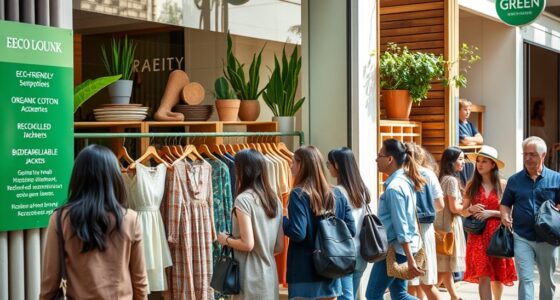
Using organic textures in digital art helps you emphasize ecological awareness and authenticity. Incorporate natural motifs like wood grain, leaf veins, and stone patterns to create designs that evoke environmental connection. Opt for imperfect, irregular elements that mimic nature’s diversity, promoting sustainable aesthetics. Support eco-friendly practices by choosing biodegradable materials and energy-efficient tools. These choices not only enhance your work’s visual appeal but also align with eco-conscious values. Exploring these techniques can inspire you to craft more sustainable and impactful art.
Key Takeaways
- Incorporate natural motifs like wood, stone, and leaves to evoke environmental awareness and promote eco-consciousness.
- Use organic textures with imperfections and subtle variations to enhance authenticity and natural aesthetic.
- Select eco-friendly materials and digital tools that prioritize sustainability and energy efficiency.
- Support biodegradable and recyclable processes in digital workflows to minimize environmental impact.
- Share nature-inspired digital art to foster environmental connection and encourage sustainable design practices.
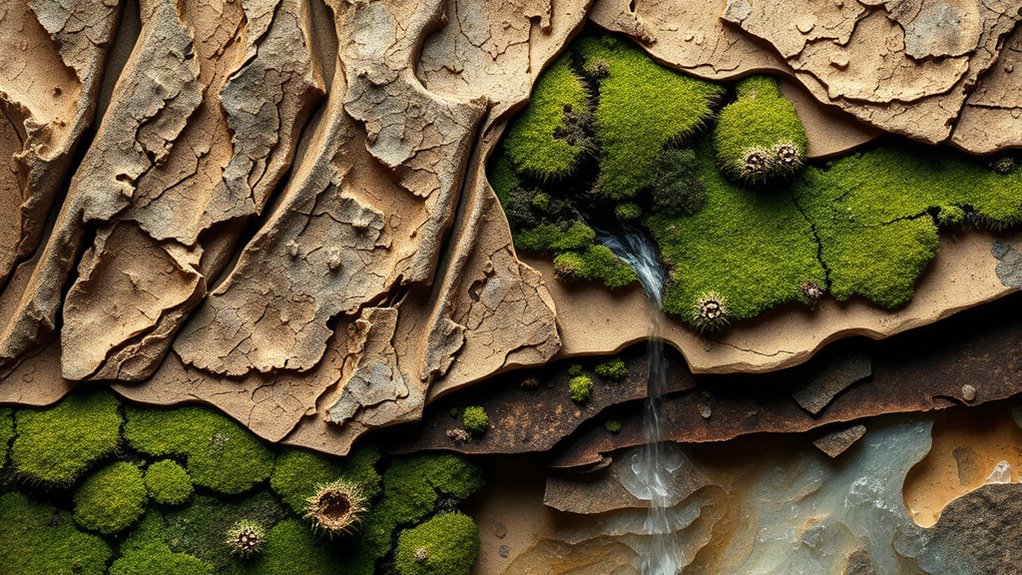
Have you ever wondered how design can help protect the environment while still meeting your needs? When you choose to incorporate organic textures into digital art, you’re tapping into a powerful way to promote sustainability. Using eco friendly materials and embracing biodegradable processes, you can create visuals that honor nature and reduce your ecological footprint. Digital art often gets a bad rap for being energy-intensive, but it’s entirely possible to make it more sustainable by thoughtfully selecting your resources and methods.
Incorporate organic textures and eco-friendly processes to make digital art more sustainable and environmentally conscious.
One of the key ways to achieve this is by prioritizing eco friendly materials in your digital workflow. This doesn’t just mean the tools you use, but also the sources of your inspiration. For instance, you might prefer textures and patterns inspired by natural elements—wood grains, stone surfaces, leaf veins—that evoke organic textures. These natural motifs remind viewers of the environment and foster a sense of connection to the earth. By choosing design elements that mimic nature’s organic textures, you’re indirectly promoting eco awareness, encouraging others to value and protect the environment.
In addition, adopting biodegradable processes in your digital art practices can considerably lessen your impact. While digital creation itself might not produce waste, the production and disposal of hardware and electronic components can be harmful. Opting for energy-efficient devices, recycling old equipment, and supporting companies that prioritize biodegradable or recyclable materials help ensure your process remains as eco-friendly as possible. Moreover, when you share your work online, consider supporting platforms that use renewable energy sources or offset their carbon emissions. Incorporating sustainable design principles into your workflow ensures your creative efforts align with eco-conscious values.
Incorporating organic textures also involves your creative choices. Instead of opting for overly polished, synthetic appearances, you aim for a more natural, imperfect look—rough edges, irregular patterns, subtle variations in color and texture—that mimic what you find in nature. These choices not only make your art more visually engaging but also reinforce the message of sustainability by emphasizing authenticity and the beauty of natural imperfections. It’s a way to connect viewers to the environment through visual storytelling, making your digital art a subtle yet powerful advocate for ecological responsibility.
Ultimately, integrating organic textures with eco friendly materials and biodegradable processes into your digital art isn’t just about aesthetics. It’s about aligning your creative practices with sustainable principles—minimizing harm, emphasizing natural beauty, and encouraging others to consider the impact of their own work. By doing so, you help foster a more conscious approach to design that benefits the planet while still satisfying your artistic vision.

(20 x 16 x 1.25 IN) Gallery Wrapped Canvas Wall Art Print of Still Life Digital painting of a vibrant autumn forest with fallen leaves carpeting the ground – 100% Cotton, Ready to H – 925UNCAh253203WH
🎨 20x16x1.25 IN – Premium Matte Canvas: Our matte canvas is crafted from a cotton-polyester blend and stretched…
As an affiliate, we earn on qualifying purchases.
As an affiliate, we earn on qualifying purchases.
Frequently Asked Questions
How Do Organic Textures Impact User Engagement in Digital Art?
Organic textures boost your user engagement by creating a nature-inspired, tactile appeal that draws viewers in. When you incorporate these textures, you make your digital art more relatable and inviting, encouraging users to explore further. Their natural, imperfect qualities evoke emotional responses, making your work feel authentic and memorable. As a result, viewers are more likely to interact with and share your art, enhancing overall engagement and connection.
What Tools Are Best for Creating Organic Textures Digitally?
Your best tools for creating organic textures digitally are programs like Photoshop and Procreate, which offer incredible flexibility. Use brush customization features to mimic natural textures, making your art more authentic. Texture mapping techniques help layer and blend textures seamlessly. These tools let you craft realistic, tactile surfaces that resonate deeply with viewers, transforming your digital art into a mesmerizing experience that feels almost alive—like touching nature itself.
Can Organic Textures Be Integrated With Other Sustainable Design Elements?
Yes, you can integrate organic textures with sustainable design elements like recyclable materials and biodegradable finishes. By combining natural textures digitally, you enhance eco-friendly aesthetics and promote sustainability. You might incorporate textures that mimic recycled paper or biodegradable fabrics, creating a cohesive, environmentally conscious visual. This integration supports eco-awareness, reduces waste, and emphasizes beauty in sustainability, making your digital art both impactful and aligned with green design principles.
How Do Organic Textures Influence Brand Perception?
Organic textures positively influence your brand perception by creating a sense of authenticity and warmth. They introduce texture contrast that makes your visuals more engaging and relatable. When you incorporate these natural elements, you communicate a commitment to sustainability and genuine craftsmanship, which enhances brand authenticity. This connection helps your audience trust your message and feel more connected to your brand’s values, ultimately strengthening your reputation.
Are There Cultural Considerations When Using Organic Textures Digitally?
You should consider cultural symbolism and regional aesthetics when using organic textures digitally, as they deeply influence perception. Many cultures associate specific textures with traditions or values, so misusing them can offend or alienate audiences. Investigating these cultural nuances helps guarantee your digital art respects and resonates with diverse viewers, fostering authenticity. Embracing regional aesthetics thoughtfully demonstrates cultural awareness, making your designs more meaningful and engaging across different communities.
Organic Biomorphic Cymatics Adult Coloring Book: Minimalist
As an affiliate, we earn on qualifying purchases.
As an affiliate, we earn on qualifying purchases.
Conclusion
As you explore organic textures in digital art, you’ll notice how their earthy feel unexpectedly echoes the scent of fresh rain after a long drought. The harmony between sustainable design and natural elements creates a subtle reminder that your creative choices can nurture the environment. Just as a leaf finds its place in the breeze, your art can seamlessly blend innovation with nature’s timeless beauty, guiding you toward a more sustainable and inspiring future.

State-of-the-Art Polymer Science and Technology in Italy (2019,2020)
As an affiliate, we earn on qualifying purchases.
As an affiliate, we earn on qualifying purchases.

Graphic Guide to Frame Construction 5th Edition: Revised and Updated
As an affiliate, we earn on qualifying purchases.
As an affiliate, we earn on qualifying purchases.