
TL;DR
Smart home device bundles combine multiple interconnected devices into a single package, making setup easier, cheaper, and more reliable. They keep your home smarter, safer, and more energy-efficient, especially if you choose the right ecosystem.
Imagine walking into your home and everything just works. Lights turn on, the thermostat adjusts, your security cameras sync seamlessly. That’s the power of smart home device bundles. Instead of buying gadgets one by one, these packages offer a ready-made ecosystem designed to make your life easier. But are they right for you? And what should you watch out for?
This article breaks down what smart home bundles are, how recent tech advances improve them, and what questions you should ask before making a purchase. Get ready to transform your living space into a connected, efficient haven.
Choose a bundle that aligns with your existing ecosystem for seamless integration.
Prioritize security features and privacy protections in your smart home system.
Plan expansion options—buy a bundle that allows adding devices later without hassle.
Mesh Wi-Fi support and compatibility standards like Zigbee improve reliability and flexibility.
Smart home bundles can save you money and time, but only if you pick the right one for your needs.
What Exactly Are Smart Home Device Bundles and Why Do They Matter?
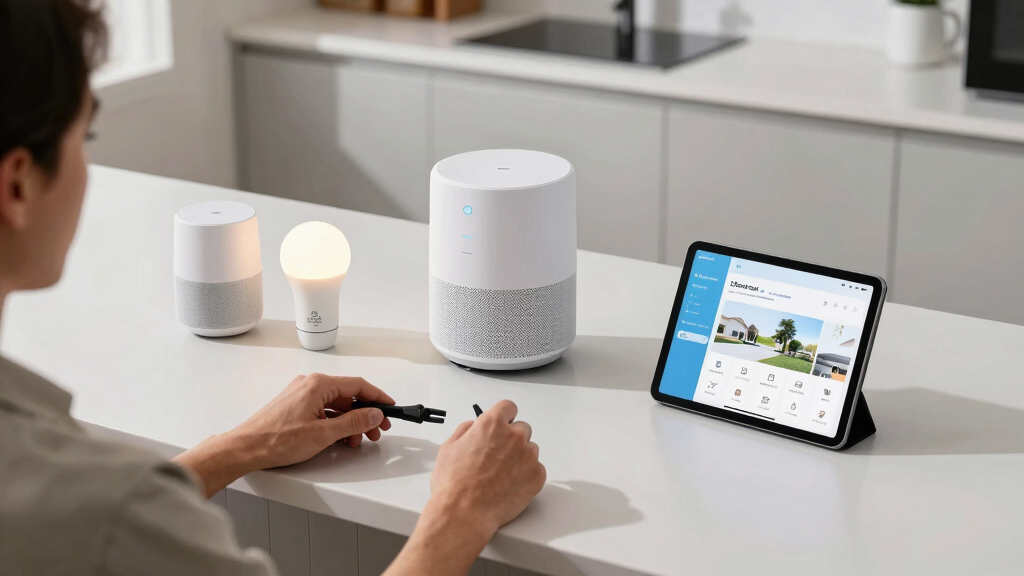
Smart home device bundles are pre-packaged sets of interconnected devices designed to work smoothly together. Think of them as a home automation starter kit—often including a smart speaker, lights, security camera, and thermostat—all compatible within a single ecosystem. For example, a bundle might have an Amazon Echo, Philips Hue lights, and Ring cameras, all syncing effortlessly.
The biggest advantage? Simplified setup. Instead of hunting down compatible gadgets and troubleshooting connectivity, bundles streamline the process, saving you hours and frustration. Plus, they often come at a discounted price—making a full smart home more affordable than buying piecemeal.
Compatibility is key. Many bundles are built around platforms like Amazon Alexa, Google Home, or Apple HomeKit, ensuring your devices speak the same language. This creates a cohesive, easy-to-control system that feels intuitive, even if you’re new to smart tech.
Beyond convenience, these bundles influence your overall smart home experience. When devices are designed to work together from the start, you reduce the risk of compatibility issues down the line, which can often lead to frustration and additional costs. However, the tradeoff is that sticking to one ecosystem may limit your options if you want to diversify later, potentially requiring you to replace or reconfigure some devices.

Smart Home Starter Kit | Includes Echo Hub, Amazon Smart Plug and 4 Amazon Basics Smart Bulbs, Designed for Alexa+
- Easy smart home setup: Quick guided installation for beginners
- Simple plug-and-play: Unbox, plug in, tap to start
- Versatile Echo Hub: Connects with thousands of smart devices
As an affiliate, we earn on qualifying purchases.
As an affiliate, we earn on qualifying purchases.
How Recent Tech Advances Make Smart Home Bundles Smarter Than Ever
Recent innovations push smart home bundles beyond simple convenience. Today’s bundles focus heavily on security and privacy. Manufacturers embed advanced encryption, so your data stays protected even as your home becomes more connected. For example, new security features prevent hacking and unauthorized access, a concern for many homeowners. This matters because as your system collects sensitive data—like security footage or personal routines—the risk of breaches increases. Advanced encryption and regular security updates are essential to safeguarding your privacy and preventing malicious attacks.
Voice assistants like Alexa or Google are now more integrated, enabling voice-controlled automation. Imagine asking your system to turn off all lights or check your security feed—without lifting a finger. This not only offers convenience but also impacts how quickly and naturally you can control your environment, especially for the elderly or those with mobility issues. The tradeoff? Over-reliance on voice commands can sometimes lead to accidental activations or misunderstandings, so the quality of voice recognition and control is crucial.
AI and machine learning make these bundles smarter. They learn your routines—like when you usually arrive home—and adjust settings automatically, saving energy and boosting security. For instance, your system might turn on lights gradually as you approach or arm security sensors when you leave. Mesh Wi-Fi support ensures a reliable connection, even in large or multi-story homes, which is vital for consistent operation. The tradeoff here is that more complex AI features require more processing power and regular updates, which can increase maintenance and potential points of failure.
Plus, new standards like Zigbee and Z-Wave are fostering interoperability across brands, allowing you to mix and match devices without worry. This flexibility means your system can grow with you, future-proofing your investment. However, choosing devices that support these standards may sometimes limit you to certain brands or features, and not all devices are equally compatible, so careful research is still necessary to avoid compatibility headaches later.
As an affiliate, we earn on qualifying purchases.
Defining Your Needs: Assessing Your Home and Lifestyle
Before diving into a smart home bundle, it’s essential to understand what your household actually needs. Consider your daily routines, the size of your home, and the specific features that would improve your comfort and security. For example, a large family might prioritize multiple security cameras and smart locks, while a single person might focus on voice-controlled lighting and thermostats. By defining your priorities, you can select a bundle that offers the right mix of devices and features, avoiding unnecessary extras and saving money.
Assessing your home’s layout is equally important. Larger or multi-story homes may require more robust Wi-Fi coverage or additional hubs to ensure all devices stay connected. Think about areas where connectivity is weak and plan accordingly—adding mesh Wi-Fi systems or extra range extenders can make a significant difference. This proactive approach ensures your smart system functions reliably, providing seamless control throughout your home.
Also, consider future expansion. If you plan to add more devices later, choose a bundle compatible with protocols like Zigbee or Z-Wave, which support a wide range of third-party devices. This way, your initial setup can grow with your needs without costly replacements or reconfigurations. Spending a little extra on a flexible, expandable system now can save you headaches down the line.
Finally, set a realistic budget based on your needs. While high-end bundles offer extensive features, they come at a higher price. Starting with a basic package and gradually expanding allows you to spread out costs and learn what works best for your lifestyle, making smart home technology accessible and sustainable.
As an affiliate, we earn on qualifying purchases.
Frequently Asked Questions
Are smart home device bundles worth the cost?
Absolutely. Bundles often cost less than buying individual devices and simplify setup. They’re especially useful for beginners or anyone wanting a quick upgrade.Can I add devices later to my bundle?
Yes. Most bundles are designed to be expandable. Just ensure new devices are compatible with your existing ecosystem and protocols like Zigbee or Z-Wave.Which ecosystem should I pick—Amazon, Google, or Apple?
It depends on your current devices and preferences. If you already own Amazon devices, an Alexa-based bundle makes sense. For Apple fans, HomeKit offers seamless integration, while Google is ideal for Android users.How secure are these bundles?
Security varies by brand. Reputable manufacturers incorporate encryption and regular updates. Always follow best practices like changing default passwords and enabling two-factor authentication.What should I consider before buying a bundle?
Check compatibility with your devices, look for future expandability, assess your budget, and ensure it supports your preferred voice assistant and ecosystem.As an affiliate, we earn on qualifying purchases.
Conclusion
Smart home device bundles are a smart way to jumpstart your home automation journey without the headache of piecing everything together. They offer a blend of convenience, savings, and future-proofing—if you choose wisely.
Remember, a well-chosen bundle transforms your house into a connected oasis that responds to your needs. Think about your lifestyle, budget, and tech preferences—then make a move toward smarter living.