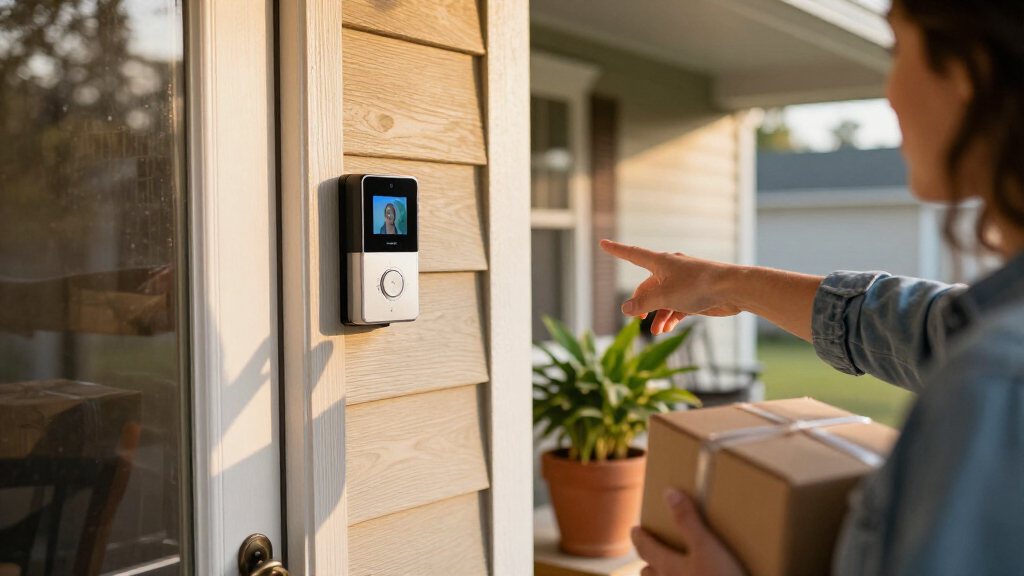

The best video doorbell for most homes in 2027 is the Arlo Video Doorbell 2K (2nd Gen), which combines sharp 2K resolution with the flexibility to run wired or on battery — a rare combination that removes the biggest installation headache. If you want to avoid monthly fees entirely, the BOIFUN Video Doorbell and Tapo D225 stand out for storing footage locally or on a chime unit without a subscription, while the Wyze Battery Doorbell offers a head-to-toe view at a budget-friendly price point. The main tradeoffs in this category come down to video quality versus cost of ownership, and wired convenience versus wireless flexibility. Cheaper models like the Orbitell save money upfront but compromise on resolution and smart detection. Continue reading for the full breakdown of all nine options, including who each one is for and which ones you should skip.

Get home appliances delivered free with Prime
- Fast, free delivery on millions of items
- Prime Video, Amazon Music and more included
- Member-only deals all year
Complete the kit



Key Takeaways
- Subscription avoidance is the biggest differentiator in this lineup: the Tapo D225 and BOIFUN store footage without recurring fees, while the Arlo and Ring picks reach their full potential only with paid plans.
- Wired-or-wireless flexibility separates the top tier — only the Arlo 2K (2nd Gen) and Wyze let you switch power modes, which matters if you’re unsure whether your existing doorbell wiring works.
- Head-to-toe aspect ratios on the Wyze and Ring Battery Doorbell make a real difference for package detection, since taller views capture parcels left on the ground that square 1080p cameras like the Orbitell often miss.
- The myQ Secure View takes a different approach entirely by merging a smart lock and doorbell camera into one device — the right choice only if you don’t already own a smart lock.
- Resolution gaps are narrowing at the low end, but the Orbitell’s 1080p output is the clear outlier; every other camera in this roundup delivers 2K or better, so paying less here means accepting visibly softer footage.
| Arlo Video Doorbell 2K (2nd Gen) Wireless or Wired – 1 Camera |  | Best Overall | Resolution: 2K | Field of View: 180 degrees | Weather Resistance: IP65 | VIEW LATEST PRICE | See Our Full Breakdown |
| Tapo D225 2K QHD Smart Video Doorbell with Chime |  | Best Premium Features Without a Subscription | Resolution: 2K QHD | Field of View: 180° head-to-toe | Power: Wired (8–24V) or 10,000mAh battery | VIEW LATEST PRICE | See Our Full Breakdown |
| BOIFUN Video Doorbell Camera Wireless – 2K HD, No Subscription Required | 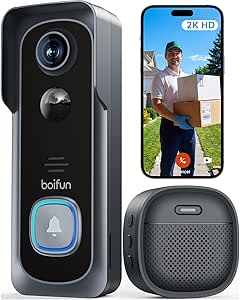 | Best Budget Pick | Resolution: 3 MP (2K HD) | Field of View: 166° | Battery Life: Up to 60 days (5200mAh) | VIEW LATEST PRICE | See Our Full Breakdown |
| Tapo 2K Wireless Smart Video Doorbell D205 with 160° Wide View | 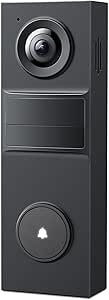 | Best Battery Life | Resolution: 2K (3MP) | Field of View: 160° | Battery Life: Up to 180 days (5200mAh) | VIEW LATEST PRICE | See Our Full Breakdown |
| Wyze Battery Video Doorbell Wireless Camera, 1536×1536 HD+ with Color Night Vision |  | Best for Beginners | Resolution: 1536×1536 HD+ | Field of View: 150° x 150° (1:1 head-to-toe) | Battery Life: Up to 6 months | VIEW LATEST PRICE | See Our Full Breakdown |
| Blink Battery Doorbell 2K+ Wireless Video Doorbell System (Black) |  | Best for Battery Longevity | Video Resolution: 2K (1920 x 1920) | Field of View: 140° horizontal, 140° vertical | Power: 3 AA lithium batteries (wired option available) | VIEW LATEST PRICE | See Our Full Breakdown |
| Like-New Ring Battery Doorbell with Head-to-Toe Video, Live View, Two-Way Talk, and Motion Alerts | 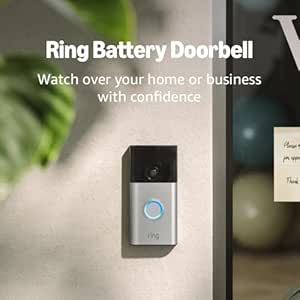 | Best Budget Entry into Alexa Homes | Model: 2nd Gen (refurbished) | Video: Head-to-Toe Video | Battery: Built-in rechargeable, USB-C charging | VIEW LATEST PRICE | See Our Full Breakdown |
| myQ Secure View 3-in-1 Smart Lock with Extra Battery |  | Best All-in-One Door Replacement | Brand: Chamberlain (myQ) | Model: MYQ-NE0BXAB1 | Access Methods: Face recognition, fingerprint, PIN, app, or key | VIEW LATEST PRICE | See Our Full Breakdown |
| Orbitell 1080p Wireless Wi-Fi Video Doorbell Camera with Two-Way Audio, Night Vision, Cloud Storage, Smart AI Motion Detection |  | Best Bare-Bones Backup Doorbell | Resolution: 1080p | Field of View: Wide-angle | Night Vision: Yes, infrared LEDs | VIEW LATEST PRICE | See Our Full Breakdown |
| video doorbell | Field of View | Resolution | Connectivity | Night Vision |
|---|---|---|---|---|
| Arlo Video Doorbell 2K | 180 degrees | 2K | 2.4 GHz WiFi | — |
| Tapo D225 2K QHD Smart Video D | 180° head-to-toe | 2K QHD | — | Full color with spotlight |
| BOIFUN Video Doorbell Camera W | 166° | 3 MP (2K HD) | 2.4 GHz Wi-Fi | HDR, 10-meter range |
| Tapo 2K Wireless Smart Video D | 160° | 2K (3MP) | Wi-Fi 2.4GHz | Infrared |
| Wyze Battery Video Doorbell Wi | 150° x 150° (1:1 head-to-toe) | 1536×1536 HD+ | — | Color |
| Blink Battery Doorbell 2K+ Wir | 140° horizontal, 140° vertical | — | Wi-Fi 2.4 GHz 802.11b/g/n | — |
| Like-New Ring Battery Doorbell | — | — | Wi-Fi | — |
| myQ Secure View 3-in-1 Smart L | — | — | — | — |
| Orbitell 1080p Wireless Wi-Fi | Wide-angle | 1080p | — | Yes, infrared LEDs |
More Details on Our Top Picks
Arlo Video Doorbell 2K (2nd Gen) Wireless or Wired – 1 Camera
The Arlo Video Doorbell 2K earns the top spot because it balances image quality, detection accuracy, and installation flexibility better than anything else in this lineup. Its 180-degree field of view is the widest here alongside the Tapo D225, meaning it captures packages left on the ground as well as faces. Compared with the Wyze Battery Doorbell, Arlo’s smart detection is more refined, cutting down the false alerts that plague cheaper models. The catch is the business model: after the trial, cloud storage and full smart features sit behind a subscription, so the real cost of ownership is higher than the sticker suggests. If you refuse to pay monthly fees, the BOIFUN or Tapo D205 makes more sense.
Pros:- Crisp 2K video with an expansive 180-degree view that catches packages and faces
- Runs wirelessly or wired, so it fits both rental and owned homes
- Smart detection meaningfully reduces false alerts
- Weather-sealed IP65 build for year-round outdoor use
Cons:- Full smart detection and extended video history require a paid subscription
- Battery life varies considerably with activity and alert frequency
Best for: Homeowners who want the sharpest, most reliable detection experience and don’t mind paying a subscription for cloud history and AI features
Not ideal for: Buyers who want everything free after purchase — core smart detection and video history require an ongoing plan
- Resolution:2K
- Field of View:180 degrees
- Weather Resistance:IP65
- Power Options:Rechargeable battery or wired trickle charging
- Connectivity:2.4 GHz WiFi
- Video Storage:Cloud (60-day trial included)
Our verdict“If you want the most polished all-around doorbell and accept a subscription, this is the one to buy.”
Tapo D225 2K QHD Smart Video Doorbell with Chime
Where Arlo gates its smartest features behind a plan, the Tapo D225 includes person, package, and vehicle detection free of charge — that alone makes it the strongest value-per-feature pick here. Wire it in and you get 24/7 continuous recording, something no battery-only rival like the BOIFUN can match, or run it up to 8 months on the internal 10,000mAh cell. Its full-color night vision with a motion-activated spotlight outclasses the infrared-only night mode on the Tapo D205, giving usable detail at night rather than grainy gray footage. The tradeoffs are real though: it’s limited to 2.4GHz Wi-Fi, and you’ll need to supply your own microSD card to unlock the local storage story.
Pros:- Person, package, and vehicle detection included with no subscription
- Wired mode enables 24/7 recording, rare at this price
- Color night vision with motion-activated spotlight beats infrared-only rivals
- Up to 512GB microSD local storage plus an included chime
Cons:- 2.4GHz-only Wi-Fi with no 5GHz support
- microSD card not included, adding to the true setup cost
Best for: Buyers who want flagship-grade detection and 24/7 recording capabilities without committing to monthly cloud fees
Not ideal for: Homes with only 5GHz networks or mesh setups that don’t broadcast 2.4GHz separately — it simply won’t connect
- Resolution:2K QHD
- Field of View:180° head-to-toe
- Power:Wired (8–24V) or 10,000mAh battery
- Battery Life:Up to 8 months
- Storage:microSD up to 512GB or optional cloud
- Night Vision:Full color with spotlight
- Compatibility:Alexa, Google Assistant
Our verdict“This is the pick for feature hunters who want Arlo-level intelligence without Arlo-level recurring fees.”
BOIFUN Video Doorbell Camera Wireless – 2K HD, No Subscription Required
The BOIFUN makes this list because it delivers the core video doorbell promise — 2K footage, two-way audio, and night vision — with zero recurring costs and a price that undercuts the big brands. Every essential feature works out of the box on a microSD card, which is more than the Wyze can say once its cloud tier enters the picture. Compared with the Tapo D205, the BOIFUN’s 5200mAh battery is non-removable, so when it eventually degrades you’re replacing the whole unit rather than swapping a cell. Its detection is also less sophisticated — it’s motion-first rather than the true AI classification Tapo offers — so expect more alerts from passing cars and swaying branches. For straightforward front-door monitoring on a tight budget, those compromises are defensible.
Pros:- No subscription required for any core feature
- HDR night vision with 10-meter range for after-dark clarity
- Tool-free wireless install with a built-in anti-theft alarm
- IP65 weather resistance despite the low price
Cons:- Non-removable battery means replacing the entire unit when the cell ages
- Motion detection is less intelligent than AI-equipped rivals, inviting false alerts
Best for: Budget-conscious buyers and renters who want fee-free local recording and simple wireless installation
Not ideal for: Anyone needing smart person/package classification to filter noise from busy streets — detection here is more basic
- Resolution:3 MP (2K HD)
- Field of View:166°
- Battery Life:Up to 60 days (5200mAh)
- Storage:microSD up to 128GB
- Connectivity:2.4 GHz Wi-Fi
- Weather Resistance:IP65
- Night Vision:HDR, 10-meter range
Our verdict“The most sensible low-cost entry point if you refuse to pay monthly fees and can live with simpler detection.”
Tapo 2K Wireless Smart Video Doorbell D205 with 160° Wide View
If climbing a ladder to recharge a doorbell twice a year sounds like a chore, the Tapo D205 is your answer: its rated 180-day battery life doubles the BOIFUN’s 60-day claim and comfortably beats the Wyze’s six-month ceiling with smarter AI on board. The AI person detection keeps notifications relevant without a subscription, and microSD storage up to 512GB gives it far more recording headroom than the BOIFUN’s 128GB limit. Compared with its sibling the D225, you give up color night vision and 24/7 wired recording — the D205 is infrared-only at night and battery-centric by design. The slightly narrower 160-degree view is still generous, though packages placed very close to the door may sit at the frame’s edge.
Pros:- Up to 180 days per charge, the best battery endurance in this lineup
- AI person detection included without subscription fees
- Supports microSD cards up to 512GB
- Lightweight at 7.5 ounces with simple door mounting
Cons:- Infrared-only night vision produces grayscale footage after dark
- microSD card sold separately; chime is indoor-only
Best for: Anyone who prioritizes long gaps between charges — second homes, tall entryways, or anyone who hates ladder duty
Not ideal for: Buyers wanting the best nighttime footage — infrared-only night vision lags the D225’s color spotlight system
- Resolution:2K (3MP)
- Field of View:160°
- Battery Life:Up to 180 days (5200mAh)
- Night Vision:Infrared
- Storage:microSD up to 512GB or cloud
- Connectivity:Wi-Fi 2.4GHz
- Compatibility:Alexa, Google Assistant
Our verdict“The clear choice when battery endurance and fee-free AI detection matter more than premium night video.”
Wyze Battery Video Doorbell Wireless Camera, 1536×1536 HD+ with Color Night Vision
The Wyze Battery Doorbell is the easiest on-ramp into smart doorbells in this group, with screw-free setup and an app experience designed for first-time users rather than tinkerers. Its square 1:1 head-to-toe framing is a genuine advantage over the BOIFUN’s traditional wide aspect — you see a visitor’s face and the package at their feet in one frame without distortion. The color night vision also puts it ahead of the Tapo D205’s grayscale infrared. Where it trails the field is resolution and ecosystem generosity: 1536×1536 is softer than the 2K sensors on the Arlo or both Tapo models, and useful cloud recording sits behind a subscription, which undercuts the no-fee appeal that budget shoppers can find elsewhere. It also lacks the integrated smart-home reach of Arlo beyond Alexa, Google, and IFTTT.
Pros:- Screw-free installation that most beginners finish in minutes
- 1:1 head-to-toe view captures faces and packages in one undistorted frame
- Color night vision outperforms infrared-only competitors
- Runs on battery or can be hardwired for flexibility
Cons:- Lower effective resolution than the 2K competition in this lineup
- Cloud storage requires a subscription, and the microSD card is sold separately
Best for: First-time smart home buyers who want the simplest possible setup with friendly framing and color night video
Not ideal for: Detail-obsessed users — the resolution trails the 2K Arlo and Tapo models when zooming into faces or plates
- Resolution:1536×1536 HD+
- Field of View:150° x 150° (1:1 head-to-toe)
- Battery Life:Up to 6 months
- Power Options:Battery or AC hardwiring
- Storage:microSD up to 256GB or cloud
- Night Vision:Color
- Compatibility:Alexa, Google Assistant, IFTTT
Our verdict“The least intimidating way to get a capable smart doorbell on your door, as long as pixel-peeping isn’t a priority.”
Blink Battery Doorbell 2K+ Wireless Video Doorbell System (Black)
Most battery doorbells force you into a recharge cycle every couple of months, but this Blink model runs on three AA lithium batteries that stretch across seasons, which is the standout reason it earns a spot here. The square 2K sensor delivers a genuinely useful head-to-toe frame for spotting packages left at the doorstep, putting it closer to the Wyze Battery Video Doorbell’s 1:1 view than to traditional wide-only rivals. Compared with the Orbitell, the resolution bump is real and visible when zooming into a visitor’s face. The tradeoff is the ecosystem tax: without a Blink subscription, recorded clips and several smart features disappear, and the 2.4 GHz-only Wi-Fi requirement can be a headache in homes with mesh networks. Still, for anyone who hates climbing a ladder twice a year, this pick makes the most sense.
Pros:- True 2K square video with head-to-toe framing for packages
- Runs for months on three AA lithium batteries
- Works wirelessly or with existing doorbell wiring
- IP65 weather resistance handles outdoor extremes from -5°F to 113°F
Cons:- Subscription required for recorded clips and key smart features
- 2.4 GHz-only connectivity limits compatibility with newer routers
Best for: Homeowners and renters who want set-and-forget battery power without frequent recharging
Not ideal for: Buyers who refuse subscription fees — cloud recording and several features sit behind a paywall
- Video Resolution:2K (1920 x 1920)
- Field of View:140° horizontal, 140° vertical
- Power:3 AA lithium batteries (wired option available)
- Connectivity:Wi-Fi 2.4 GHz 802.11b/g/n
- Weather Resistance:IP65
- Size:5.19 x 1.89 x 1.34 inches
- Weight:4 oz
Our verdict“Choose this if battery life is your top priority and you’re comfortable paying for a Blink plan.”
Like-New Ring Battery Doorbell with Head-to-Toe Video, Live View, Two-Way Talk, and Motion Alerts
This refurbished Ring doorbell is the cheapest path into the most mature doorbell ecosystem on the market, and that’s the whole argument for it. Alexa integration means visitors appear on Echo Shows and announcements play throughout the house — something the BOIFUN and Orbitell simply can’t match. The Head-to-Toe Video matches the vertical coverage of the Wyze Battery Video Doorbell, so package detection isn’t compromised despite the lower price of entry. Real tradeoffs exist: a Ring subscription is effectively mandatory for recorded footage, and buying refurbished means generic packaging and a limited warranty rather than new-unit coverage. Compared with the Blink 2K+, video detail is a step down, but the rechargeable USB-C battery and polished app experience make this model better suited to first-time buyers who already live in an Alexa household.
Pros:- Head-to-Toe vertical video captures packages and full visitors
- Rechargeable battery with convenient USB-C charging
- Alexa hands-free monitoring and Echo Show display support
- Real-time and AI-powered motion alerts
Cons:- Subscription required for cloud storage and advanced alerts
- Refurbished condition means generic packaging and limited warranty coverage
Best for: Alexa-household buyers wanting an affordable first video doorbell with deep smart-home integration
Not ideal for: Anyone wanting local storage or full features without a recurring subscription
- Model:2nd Gen (refurbished)
- Video:Head-to-Toe Video
- Battery:Built-in rechargeable, USB-C charging
- Connectivity:Wi-Fi
- Compatibility:Alexa-enabled devices
- Warranty:Limited warranty (refurbished)
Our verdict“A sensible low-cost entry point if you’re already invested in Alexa and accept the subscription model.”
myQ Secure View 3-in-1 Smart Lock with Extra Battery
Every other product in this roundup hangs beside your door; this one replaces the lock itself, folding a deadbolt, doorbell, and 2K HDR camera into a single unit. For anyone replacing an aging deadbolt anyway, the value proposition is obvious — one install, one app, one device to maintain instead of the two separate gadgets a Blink or Ring setup would require. The five unlock methods (face, fingerprint, PIN, app, key) go well beyond what any dedicated doorbell offers, and the included extra battery plus door sensor round out a generous package. The compromises are geographic and structural: face and fingerprint access are disabled in Illinois and Texas, limited to the U.S. and Canada, and anyone whose door lacks a standard deadbolt prep can’t install it at all. It’s a category-defying pick rather than a pure doorbell play.
Pros:- Combines deadbolt, video doorbell, and 2K HDR security camera in one install
- Five access methods: face, fingerprint, PIN, app, and physical key
- 2K HDR video with color night vision and two-way audio
- DIY-friendly installation on most standard doors with included hardware
Cons:- Face and fingerprint unlocking unavailable in Illinois and Texas
- Biometric features limited to U.S. and Canada
- Requires a door with existing standard deadbolt cutout
Best for: Homeowners upgrading an existing deadbolt who want lock, doorbell, and camera unified in one device
Not ideal for: Renters and residents of Illinois or Texas — biometric access is unavailable there, and deadbolt replacement usually isn’t allowed
- Brand:Chamberlain (myQ)
- Model:MYQ-NE0BXAB1
- Access Methods:Face recognition, fingerprint, PIN, app, or key
- Camera Resolution:2K HDR
- PIN Capacity:Up to 16 PINs
- Features:Live view, motion alerts, two-way audio, color night vision, auto-lock
- Warranty:1-year limited
Our verdict“Buy this to consolidate your front-door security into one smart device; skip it if you only need a doorbell.”
Orbitell 1080p Wireless Wi-Fi Video Doorbell Camera with Two-Way Audio, Night Vision, Cloud Storage, Smart AI Motion Detection
This Orbitell is the simplest, most generic entry in the lineup — and that’s its role. Where the Tapo D225 and Arlo 2K push resolution and smart-home polish, this model sticks to the fundamentals: 1080p video, two-way audio, night vision, and AI motion detection in a weather-resistant IP65 shell. It works well as a second doorbell for a side or back door, where paying Arlo or Ring prices again feels excessive. The AI detection does cut down false alerts from passing cars compared with dumb motion sensors, and cloud storage means no microSD card management. But the limitations are hard to ignore: 2.4 GHz-only Wi-Fi, no ecosystem integrations with Alexa or Google, and a brand with a thinner support track record than Ring or Wyze. Compared with the Like-New Ring, you give up smart-home features in exchange for avoiding subscription pressure on basic functions.
Pros:- AI-powered motion detection reduces false alerts
- IP65 weather resistance for reliable outdoor use
- Infrared night vision delivers usable after-dark footage
- Two-way audio for speaking with visitors remotely
Cons:- 1080p resolution trails the 2K standard set by Blink, Tapo, and Arlo
- 2.4 GHz-only Wi-Fi with no 5 GHz support
- No Alexa or Google Home ecosystem integration
Best for: Budget buyers adding coverage to a secondary door where a second premium doorbell isn’t justified
Not ideal for: Smart-home enthusiasts — there’s no Alexa or Google integration, and 1080p lags the 2K field
- Resolution:1080p
- Field of View:Wide-angle
- Night Vision:Yes, infrared LEDs
- Audio:Two-way
- Wi-Fi Support:2.4 GHz only
- Weather Resistance:IP65
- Dimensions:1.77 x 1.34 x 5.4 inches
Our verdict“A serviceable, low-commitment pick for secondary coverage, but not the doorbell I’d put on the front door.”

How We Picked
I ranked these video doorbells by the factors that actually shape day-to-day satisfaction: video quality and field of view, subscription requirements, power flexibility, smart detection accuracy, and installation difficulty. A doorbell can have excellent hardware and still be a poor value if it locks core features like recorded playback behind a monthly plan, so the true cost of ownership over two years weighed heavily in the ordering. I also prioritized models that work for renters and homeowners alike — battery-powered options with easy mounting scored better than wired-only devices requiring existing chime wiring.
The ranking rewards versatility and long-term affordability over raw spec sheets. That’s why the Arlo leads despite requiring a subscription for full features, and why subscription-free options like the Tapo D225 and BOIFUN rank ahead of flashier cameras with recurring costs. Niche devices like the myQ Secure View were judged within their specific use case — buyers who want a combined lock-and-camera unit — rather than against the whole field.
| video doorbell | Night Vision |
|---|---|
| Arlo Video Doorbell 2K | — |
| Tapo D225 2K QHD Smart Video D | Full color with spotlight |
| BOIFUN Video Doorbell Camera W | HDR, 10-meter range |
| Tapo 2K Wireless Smart Video D | Infrared |
| Wyze Battery Video Doorbell Wi | Color |
| Blink Battery Doorbell 2K+ Wir | — |
| Like-New Ring Battery Doorbell | — |
| myQ Secure View 3-in-1 Smart L | — |
| Orbitell 1080p Wireless Wi-Fi | Yes, infrared LEDs |
Factors to Consider When Choosing Video Doorbells
Choosing a video doorbell involves more than picking the sharpest camera. These are the broader factors and common pitfalls that determine whether you’ll still be happy with your choice a year from now.Total Cost of Ownership, Not Sticker Price
The most common mistake buyers make is comparing doorbells on price alone while ignoring subscription costs, which can double the real cost of a device within two years. Some brands restrict recorded playback, smart alerts, and even package detection to paid plans, meaning the camera you bought effectively becomes a live-view-only peephole without a subscription. Before buying, check whether the model stores footage locally on a chime unit or microSD card — those options carry higher upfront costs but nothing afterward. A doorbell that costs twice as much upfront but requires no plan is often the cheaper choice by month eighteen. Calculate your expected cost over a realistic ownership period, not just at checkout.
Power Source: What Your Home Can Actually Support
Wired doorbells never need recharging and support continuous features like pre-roll recording, but they require functioning low-voltage wiring and a compatible chime or power kit. Battery models install in minutes on any surface, which makes them ideal for renters, but expect to recharge every three to six months depending on motion traffic — and cold weather shortens battery life considerably. Hybrid models that support both modes give you a safety net if you’re unsure about your existing wiring. Before ordering anything, check whether your current doorbell wires are live and whether your transformer meets the voltage requirement; an incompatible transformer is one of the most common reasons wired installations fail. If drilling isn’t an option where you live, a wireless mount with angle brackets is non-negotiable.
Field of View and Aspect Ratio
Field of view numbers can mislead because they don’t tell you the shape of the image. A wide horizontal view is great for spotting visitors approaching from the side, but a tall head-to-toe view is what actually captures packages on your doorstep and people standing close to the door. Square or vertical aspect ratios have become popular precisely because a visitor standing one foot away fills the frame instead of being cut off at the waist. Wide-angle lenses below roughly 160 degrees will miss visitors who step close to the camera. Think about what’s most likely at your door — deliveries on the ground, or people approaching along a path — and match the lens geometry to that scenario.
Night Vision and Motion Detection Quality
Most package thefts happen after dark, so color night vision with a built-in light is worth more than a slightly sharper daytime image. Infrared-only night vision produces grainy black-and-white footage that rarely captures a face or license plate clearly. On the detection side, look for AI-based person, vehicle, and package detection rather than basic pixel-change motion alerts, which trigger constantly from shadows, passing cars, and swaying branches. False alerts aren’t just annoying — they train you to ignore notifications, which defeats the purpose of the camera. Cheaper models also struggle with detection zones, meaning you may get alerts for the street while missing your own doorstep.
Ecosystem and Smart Home Compatibility
A video doorbell works best when it plugs into the systems you already use, whether that’s Alexa, Google Home, or Apple Home. Check two things before buying: whether live view appears on your smart displays, and whether the doorbell triggers other devices like smart lights. Also consider chime options — if your home has no wired chime, a bundled plug-in chime saves you from relying solely on phone notifications, which fail silently when your phone is on silent. Buyers who already own cameras from one brand should weigh whether consolidating into a single app is worth accepting a slightly weaker doorbell. Ecosystem lock-in cuts both ways: it’s convenient now but raises the cost of switching later.
When to Pay More — and When Not To
Paying more for a doorbell makes sense when you need higher resolution for identifying faces at distance, pre-roll footage that captures the moments before a triggered event, or dual-band Wi-Fi support for weaker network setups. It also makes sense for combined devices like lock-doorbell hybrids that replace two separate purchases. Paying more does not make sense for a second doorbell on a back gate, a rental property, or a first-time buyer testing whether they’ll use the technology at all. Budget models have genuinely caught up on core features like two-way audio and night vision. The honest question is whether you need forensic-grade footage or just want to know who’s at the door — most households need the latter.
Frequently Asked Questions
Do I need a subscription for a video doorbell to be useful?
Not necessarily, and this is where brands differ the most. Devices like the Tapo D225 and BOIFUN record footage to a chime unit or local storage with no monthly fee, so you keep full playback and recorded evidence without paying. Others, including Ring and Arlo, restrict recorded video history to paid plans — without one, you typically get live view and real-time alerts but nothing saved. The practical difference matters most when something goes wrong: if a package disappears while you’re away from your phone, a subscription-free device with local storage still has the recording. If you already know you’ll pay for a plan anyway for multi-camera coverage, the subscription-free advantage matters less, and you can choose based on hardware quality instead.
Wired or battery-powered video doorbell — which should I choose?
Choose wired if you have functioning doorbell wiring: you’ll never recharge anything, the doorbell stays powered for continuous features, and recordings won’t cut out because a battery died at the wrong moment. Choose battery if you rent, have no existing wiring, or want to install the doorbell on a gate, fence post, or mailbox where no wires exist. Battery life typically runs three to six months, but busy doorsteps and cold climates drain cells faster, so factor in the hassle of monthly recharges in winter. Hybrid models like the Arlo and Wyze support both modes, which is the safest bet if you’re unsure about your wiring or plan to move. One caution: check your transformer voltage before committing to a wired install, since older homes sometimes carry incompatible wiring.
Is 2K resolution actually better than 1080p for a doorbell camera?
Yes, and the difference is more visible at a doorstep than in most camera categories. Doorbell footage is often reviewed to identify a stranger’s face or read a delivery label at close range, and 1080p footage tends to blur exactly those details, especially at night. The 2K models in this lineup — Arlo, both Tapo options, BOIFUN, and Blink — hold detail better when you zoom into a recorded clip, which is often the whole point of reviewing footage. That said, resolution isn’t everything: a 1080p camera with excellent night vision and accurate person detection can outperform a noisy 2K sensor in poor lighting. Resolution should be one input in your decision, weighted alongside low-light performance and whether the image aspect ratio actually captures what happens at your door.
What is a head-to-toe view, and is it worth paying extra for?
A head-to-toe view uses a vertically oriented aspect ratio so the camera captures everything from a visitor’s face down to packages on the ground. Traditional doorbells use wider, shorter views that often cut off below the chest, which means a parcel left at your feet never appears in the frame at all. In this lineup, the Wyze and Ring Battery Doorbell offer this taller view, and for households that receive frequent deliveries it’s arguably more useful than a resolution bump. The tradeoff is a narrower horizontal view, so visitors approaching from the side may enter the frame later. If your priority is catching porch pirates rather than monitoring a wide approach path, the taller view wins; if you want early warning of someone walking up a long driveway, a wider lens serves you better.
Can a video doorbell replace a smart lock, or should I buy both?
For most homes, they solve different problems: a doorbell tells you who’s there and what happened, while a lock controls who gets in. Buying both is the standard approach, and it gives you the best doorbell and best lock independently rather than compromising on either. The exception is a device like the myQ Secure View 3-in-1, which merges both functions into a single unit with one app, one installation, and one battery system to manage. That makes sense if you own neither device yet and want a cleaner setup, or if you have limited door hardware space. The drawback is coupling: if one function fails or the battery dies, you lose both, and you’re locked into a single brand’s ecosystem for two critical functions at once.
Conclusion
The right choice comes down to what kind of buyer you are. For best overall, the Arlo Video Doorbell 2K (2nd Gen) earns the top spot with its sharp 2K footage, accurate detection, and the flexibility to run wired or wireless — the pick that fits the widest range of homes. For best value, the Wyze Battery Doorbell delivers a genuinely useful head-to-toe view and smart detection at a price that leaves room in the budget, while the Tapo D225 is the smarter value choice if avoiding subscriptions is your priority. For best premium setup for subscription-free ownership, the BOIFUN stands out with 2K footage and local storage. For beginners and smart home newcomers, the Blink Battery Doorbell 2K+ offers one of the simplest setups in the category, and the Ring Battery Doorbell is the natural entry point for anyone already living in the Alexa ecosystem. For specific needs: the myQ Secure View for buyers who want a lock and camera in one device, the Tapo D205 for wide-coverage monitoring of a large approach, and the Orbitell only for those who need the absolute lowest-cost option and can accept 1080p footage. Match the doorbell to your power situation, your tolerance for monthly fees, and what actually shows up at your door — the rankings above follow exactly that logic.