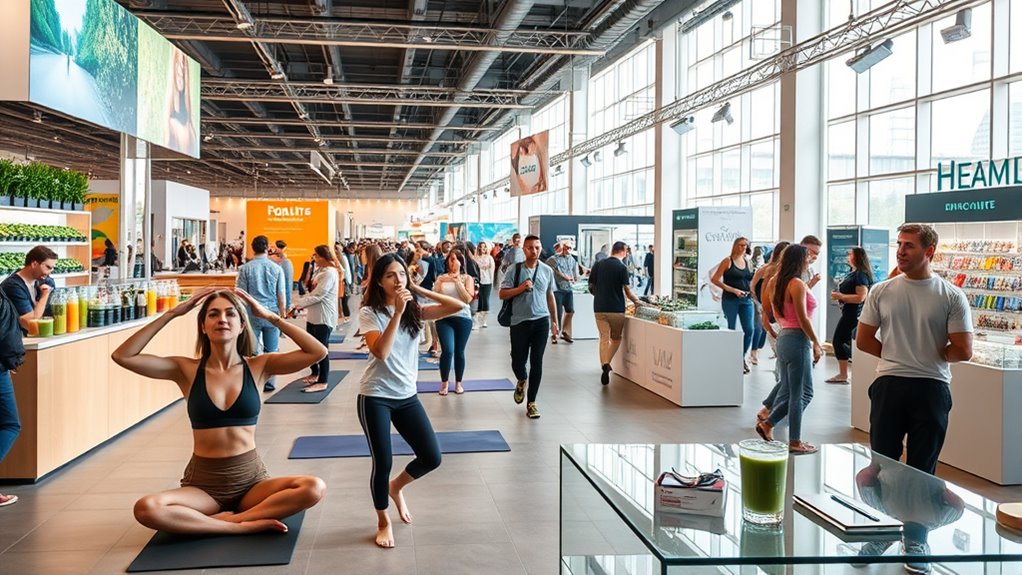

You’ll notice that health and wellness spending is on the rise as more people like you prioritize mental health, personalized nutrition, and overall well-being. Investments in therapy, counseling, and mental health apps are growing, along with personalized meal plans and specialized foods. Many workplaces now offer wellness programs, and the pandemic has heightened awareness around self-care and resilience. Keep exploring to see how these trends could influence your health journey and future options.
Key Takeaways
- Increased investments in mental health services, therapy, and digital wellness apps reflect growing societal recognition of emotional well-being.
- Consumer demand for personalized nutrition plans and health-focused food products is driving spending in nutrition and diet services.
- Workplace wellness programs and stipends support mental and physical health, boosting overall wellness industry expenditures.
- The pandemic accelerated focus on resilience, self-care, and holistic health, leading to higher wellness-related investments.
- Growing awareness of sustainability and health promotes spending on eco-friendly products and resources that enhance overall well-being.

Have you ever wondered where your health and wellness dollars are going? With the rise in health and wellness spending, more people are investing in ways to improve their overall well-being. One area seeing significant growth is mental health, where individuals are increasingly seeking therapy, counseling, and mental health apps to manage stress, anxiety, and depression. This shift highlights a broader recognition that mental health isn’t just a luxury but a essential component of overall wellness. As awareness grows, so does the willingness to pay for services that support emotional resilience, mindfulness, and psychological stability.
Alongside mental health, nutrition planning is gaining traction as a critical part of health investments. You might notice more people consulting dietitians, subscribing to personalized meal plans, or purchasing specialized food products tailored to specific health goals. This trend stems from a desire to optimize physical health through better eating habits. People now understand that proper nutrition isn’t just about weight management but also about fueling the body efficiently, boosting immunity, and preventing chronic illnesses. As a result, spending on nutrition planning tools and professional guidance is increasing, reflecting a shift toward proactive health management rather than reactive treatment.
This growing spending isn’t just about individual choices; it also signals a broader cultural change. You’re seeing more workplaces offering mental health resources, wellness stipends, and nutrition workshops, encouraging employees to prioritize their well-being. The wellness industry is capitalizing on this trend, developing products and services that promise to enhance mental clarity and physical vitality. From meditation apps to meal delivery services designed with health in mind, these offerings are tailored to meet the increasing demand for accessible and effective wellness solutions.
Workplaces now prioritize well-being with mental health resources, wellness stipends, and health-focused programs to support overall employee vitality.
Moreover, the pandemic has accelerated this focus on mental health and nutrition, emphasizing the importance of resilience and self-care. People are more aware than ever that investing in mental health and nutrition planning can lead to better quality of life and even reduce healthcare costs over time. You’re encouraged to see this as a positive development—an acknowledgment that wellness isn’t a luxury but an essential part of life that deserves ongoing attention and investment. Additionally, the increasing availability of modern tableware and eco-friendly materials reflects a broader trend toward sustainability and health-conscious living, supporting a holistic approach to wellness.
In essence, the rising health and wellness spending shows a cultural shift toward valuing mental and physical health equally. You’re part of a society that’s increasingly willing to allocate resources toward understanding and improving these crucial areas. Whether through therapy, mindfulness practices, personalized nutrition, or wellness programs, it’s clear that investing in your health is becoming a priority—and that’s a good thing for your long-term happiness and vitality.

DBT Flashcards – 104 Dialectical Behavior Therapy Coping Skills Cards Mental Health Counseling Card Deck for Emotional Regulation, Stress Relief & Coping Tools – Therapy Games for Teens & Adults
🧠 104 Practical DBT Skills Across 6 Core Themes – Master 104 science-backed DBT coping skills covering six…
As an affiliate, we earn on qualifying purchases.
As an affiliate, we earn on qualifying purchases.
Frequently Asked Questions
How Does Health Spending Vary Across Different Age Groups?
You’ll notice that health spending varies across age groups, with older adults investing more in preventive care and managing chronic conditions. Younger people tend to spend less but are increasingly prioritizing mental health services. As you age, your healthcare needs shift, leading to higher overall spending, especially on preventive care for aging-related issues and mental health support, reflecting the evolving focus on holistic wellness throughout different life stages.
What New Wellness Trends Are Influencing Spending Increases?
You’re likely noticing that wellness trends like mindfulness practices and personalized nutrition are driving spending increases. You may invest more in apps, retreats, or tailored meal plans to enhance mental clarity and health. These trends emphasize individual needs, motivating you to spend on services and products that support your well-being. As awareness grows, your focus shifts toward holistic, customized approaches, fueling overall wellness expenditure.
Are There Regional Differences in Health and Wellness Expenditures?
You’ll find regional differences in health and wellness expenditures driven by cultural influences and socioeconomic disparities. In some areas, cultural attitudes toward holistic health or alternative therapies boost spending, while others prioritize traditional medicine. Socioeconomic factors also play a role, with wealthier regions investing more in premium wellness services. These factors shape how much and where people allocate their resources, creating notable regional variations in wellness spending across the country.
How Does Insurance Coverage Impact Wellness Spending?
Insurance coverage encourages you to spend more on wellness by reducing out-of-pocket costs for preventive care and lifestyle modifications. When you’re insured, you’re more likely to prioritize activities like screenings, vaccinations, and healthier habits, because these services are often covered. This coverage motivates you to invest in your long-term health, ultimately leading to better wellness outcomes and potentially lower healthcare expenses over time.
What Are the Long-Term Economic Benefits of Increased Wellness Spending?
Imagine fewer sick days and vibrant workplaces—your long-term economic benefits from increased wellness spending include just that. By investing in preventive care and mental health, you reduce healthcare costs and boost productivity. Over time, healthier populations mean stronger economies, lower insurance premiums, and more funds for innovation. You’ll see a cycle of growth and well-being, creating lasting benefits for individuals and society alike.

Cozyla Calendar Plus 2: 15.6" Smart Digital Calendar & No Subscription Family Dashboard, Electronic Touch Screen Wall Planner for Family System-Chore Chart, Meal Planner, Support App Store with Stand
Cozyla Family Shared Digital Calendar: Sync without subscription. Experience seamless real-time syncing with Google, Apple, Outlook, Yahoo, and…
As an affiliate, we earn on qualifying purchases.
As an affiliate, we earn on qualifying purchases.
Conclusion
As health and wellness spending continues to rise, you’re increasingly investing in your well-being, prioritizing prevention, and embracing healthier lifestyles. You’re choosing to focus on fitness, nutrition, and mental health, recognizing their importance. You’re making mindful decisions, seeking balance, and supporting your long-term vigor. With every dollar spent, you’re empowering yourself to feel better, live longer, and enjoy life more fully. Embrace this trend, because your health is your greatest wealth.

Gregg College Keyboarding & Document Processing Kit 1: Lessons 1-60 With Word 2010 Manual
compete course
As an affiliate, we earn on qualifying purchases.
As an affiliate, we earn on qualifying purchases.

Self-Care for Black Men: 100 Ways to Heal and Liberate (Self-Care for Black Men Series)
As an affiliate, we earn on qualifying purchases.
As an affiliate, we earn on qualifying purchases.