
TL;DR
American ginseng’s high market value has fueled illegal poaching in U.S. national parks, with roots fetching up to $500 per pound. Authorities are cracking down, but poachers continue risking arrest due to the lucrative black market.
American ginseng roots, valued at up to $500 per pound, are fueling a surge in illegal poaching within U.S. national parks, including the Great Smoky Mountains, according to law enforcement sources. The high market price incentivizes poachers, despite legal protections, raising concerns about plant conservation and law enforcement challenges.
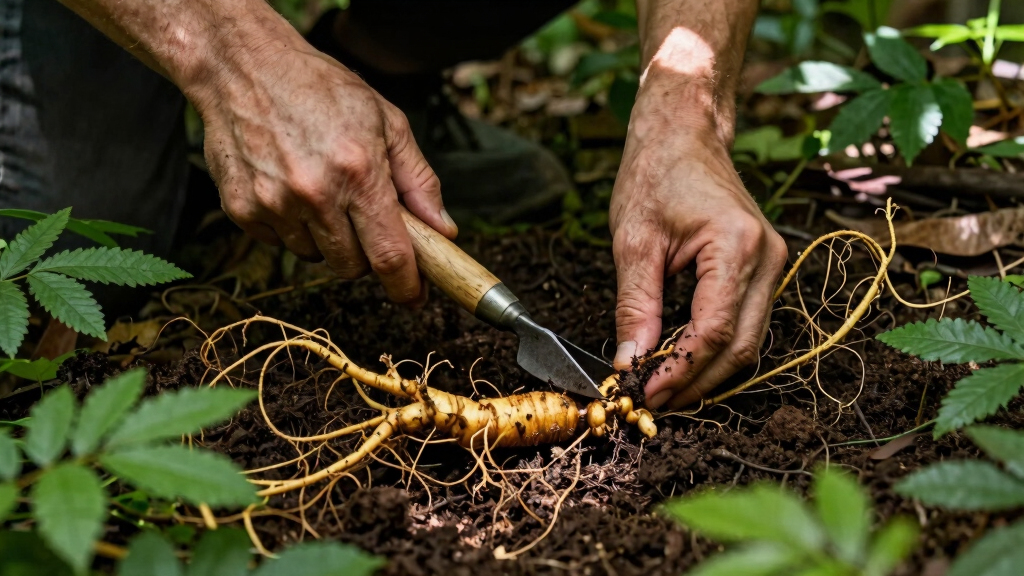
American ginseng, a native plant with medicinal value, has become highly profitable on the black market, with roots selling for between $300 and $500 per pound. This has led to increased illegal harvesting, especially in protected areas like national parks, where poachers often target remote, forested regions.
Law enforcement officials, including the National Park Service, report a rise in ginseng thefts, with some individuals, like North Carolina resident Billy Joe Hurley, repeatedly convicted of poaching. Hurley, who has served prison time for stealing ginseng, exemplifies the ongoing challenge law enforcement faces in curbing illegal harvesting.
Experts note that the rarity of wild ginseng, driven by habitat loss and overharvesting, makes the remaining plants especially valuable, further incentivizing illegal activity. The practice, known locally as ‘ginsenging,’ has been a tradition for generations among Appalachian families, complicating enforcement efforts.
Why It Matters
The illegal poaching of American ginseng threatens the species’ survival and disrupts the ecological balance in forest habitats. Its role as an indicator of forest health underscores the broader environmental impact of its decline. Additionally, the black market’s profitability undermines legal conservation efforts and fuels conflicts between authorities and local communities.

Horbäach American Ginseng Capsules | 200 Pills | Panax Quinquefolius Root
- Premium Ginseng: Revered ancient Chinese herb
- Quick Release Capsules: Optimized for fast absorption
- Rich in Nutrients: Contains antioxidants like Ginsenosides and Flavonoids
As an affiliate, we earn on qualifying purchases.
As an affiliate, we earn on qualifying purchases.
Background
Historically, American ginseng has been valued for its medicinal properties, dating back to Native American use and early trade with China. Its high market price has historically attracted poachers, but recent demand and market prices have intensified illegal harvesting. The Great Smoky Mountains, a key habitat for wild ginseng, has seen increased thefts amid habitat loss and economic hardship in local communities.
Law enforcement agencies have developed detection methods, such as root dyeing, to combat poaching, but enforcement remains challenging due to the remote and rugged terrain of parks. The issue ties into longstanding tensions over land use, conservation, and economic survival in Appalachia.
“Billy Joe Hurley is the most notorious ginseng poacher we’ve seen, and his repeated convictions highlight how lucrative and persistent this illegal trade has become.”
— Jim Corbin, biologist
“Hurley’s actions are driven by the high market value of ginseng, but the law is clear—taking plants from protected lands is illegal.”
— Corey Atkins, Hurley’s attorney

Oregon's Wild Harvest Non-GMO American Ginseng Capsules, 50 Count
- Supports mental and physical endurance: Promotes resilience and stamina
- Traditional Chinese Medicine ingredient: Known for invigorating and adaptogenic properties
- Non-GMO and additive-free: No artificial flavors, colors, or excipients
As an affiliate, we earn on qualifying purchases.
As an affiliate, we earn on qualifying purchases.
What Remains Unclear
It is not yet clear how effective current enforcement measures will be in curbing the illegal trade long-term, or whether market prices will decline enough to reduce poaching incentives. The extent of illegal harvesting across all national parks remains under investigation.

FullChea – Ginseng Tea Bags, 60 Count, Pure Ginseng Root Herbal Tea
- Premium Ginseng Roots: Pure, hand-picked, no additives
- Earthy, Fresh Flavor: Rich, aromatic herbal taste
- Convenient Packaging: Resealable pack with 60 tea bags
As an affiliate, we earn on qualifying purchases.
As an affiliate, we earn on qualifying purchases.
What’s Next
Authorities are expected to increase patrols and enforcement efforts, including more widespread use of root-dyeing detection methods. Legislation may also be revisited to impose stricter penalties. Monitoring of market demand and supply chains is ongoing to identify illegal sales networks.
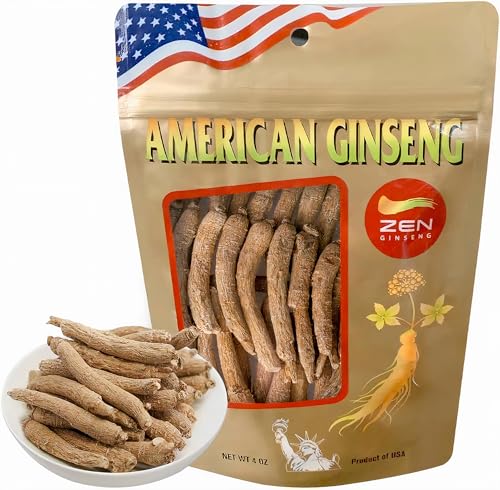
Zen Ginseng – 4 oz Bag of American Wisconsin Ginseng Root – Non-GMO, Gluten Free. Add This Ginseng in Soup, Tea, Coffee, juices, Smoothies and Baking (Small Long Root 4 oz Bag)
- Product Type: American Ginseng Root
- Origin: Grown in Wisconsin, USA
- Benefits: Boosts Energy, Immunity, Stamina
As an affiliate, we earn on qualifying purchases.
As an affiliate, we earn on qualifying purchases.
Key Questions
Why is American ginseng so valuable?
American ginseng is highly prized for its medicinal properties, especially in Asian markets, where roots can fetch between $300 and $500 per pound, making it one of the most profitable wild plants.
Is it legal to harvest ginseng in national parks?
No, it is illegal to take ginseng from protected lands like national parks without proper permits. Harvesting from private land is legal if done according to local laws.
What are law enforcement agencies doing to stop ginseng poaching?
Agencies use methods such as root dyeing to detect illegal harvests, increase patrols, and prosecute offenders. Educational campaigns are also aimed at local communities to discourage poaching.
How does poaching impact the environment?
Poaching reduces wild ginseng populations, threatening the species’ survival and disrupting forest ecosystems, as ginseng is an indicator of forest health.