TL;DR

Get home appliances delivered free with Prime
- Fast, free delivery on millions of items
- Prime Video, Amazon Music and more included
- Member-only deals all year
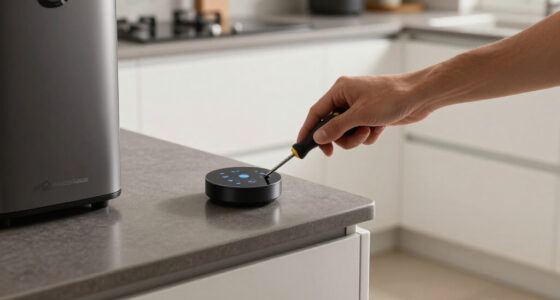
Amazon announced the Echo Time, a $199.99 smart alarm clock with a 3.2-inch touchscreen and an opt-in feature that estimates sleep stages using motion and breathing signals. A hands-on report found changes to the screen and alarm controls promising, but did not test whether sleep sensing or sunrise lighting improves waking.
Amazon has announced the Echo Time, a $199.99 smart alarm clock with a 3.2-inch touchscreen and an opt-in sleep-sensing feature that estimates when a user is in a suitable sleep stage for waking. The device is available to order, according to a hands-on report by The Verge, though the report did not test whether its sleep estimates lead to a more rested wake-up.
The Echo Time combines an Alexa smart speaker with a round, 3.2-inch touchscreen for clock faces, alarms and other controls. The Verge reported that the display is larger than the Echo Spot’s 2.83-inch screen and gives the clock more room on the face. It keeps the time visible while Alexa carries out tasks, then returns to the clock when they are finished. Small icons can show that music or a timer is active, with a tap opening more detail.
Amazon’s sleep feature uses an ultrasound transducer alongside the motion-sensing hardware found in the new Echo Dot. According to the report, the sensors track breathing and small movements to estimate sleep stage, then can sound an alarm at a chosen point up to an hour before the set alarm time. The feature is opt-in, and the device’s mute button can disable sensing. The source does not describe the system as a medical sleep monitor.
The clock also supports alarms set on its screen, a sunrise mode that gradually brightens the clock face with warm colors, and alarm tones that become more energetic after snoozes. Its display can dim below 0.3 nits, according to the report, and a night mode removes blue light. The Echo Time has no camera. Amazon lists it in pink, black and white; children’s editions cost $209.99 and include a year of Amazon Kids Plus, with guided bedtime routines through Sleep Studio.
A Clock Built Around the Bedside
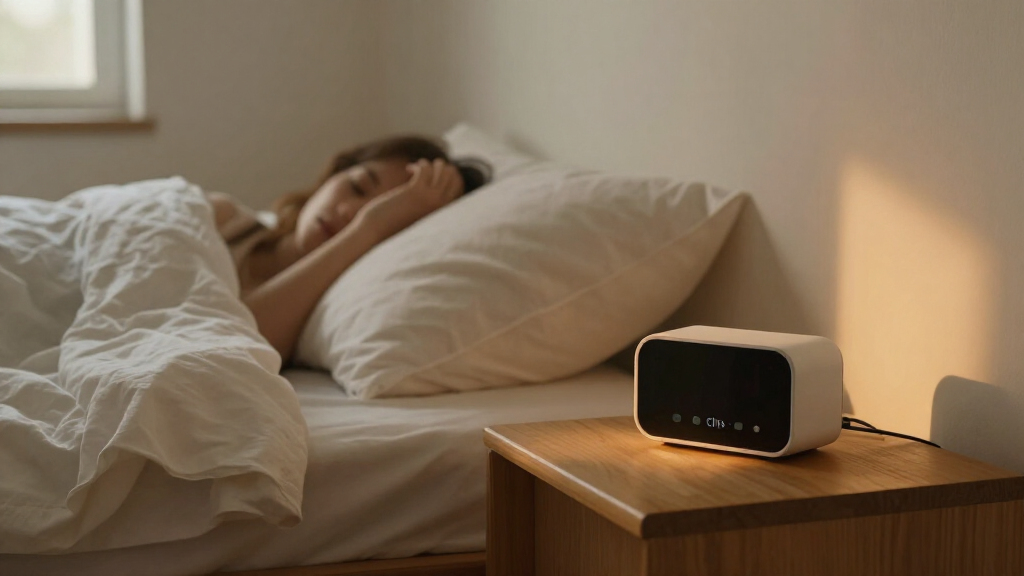
The Echo Time brings sleep sensing into a clock designed to sit beside a bed, rather than asking users to wear a tracker overnight. Its combination of an always-visible clock, touchscreen alarm controls and opt-in sensing could appeal to people who want a quieter way to set alarms or prefer not to keep a camera-equipped display at bedside. Those are design advantages, not proof that its sleep estimates are accurate.
The price is also part of the story: at $199.99, the Echo Time costs nearly twice as much as the Echo Spot, according to The Verge’s comparison. Buyers are paying for a larger display and extra sleep and lighting features. The value will depend on how well these work in an actual bedroom, where screen brightness, sensor placement and household routines matter more than they did during a brief event demonstration.
Products Worth Considering

Samsung 42-Inch Class OLED S90F 4K Smart TV (2025)

Samsung 48-Inch S90H OLED 4K Smart TV (2026)

Samsung 42-Inch S90H OLED 4K Smart TV Bundle
As an affiliate, we earn on qualifying purchases.
From Echo Spot to Echo Time
The Echo Time follows the Echo Spot, another Alexa clock with a screen. The Verge’s reviewer, who described the Spot as one of their favorite smart alarm clocks, said the new model addresses several of its limitations: it has a larger, fully round display rather than the Spot’s smaller semicircle, and it lets users set alarms by touch. The reviewer also noted that the larger device carries a higher price.
The Echo Time shares hardware with Amazon’s newly announced Echo Dot, including a built-in Zigbee, Thread and Matter smart home hub. That allows compatible smart lights to be paired with the clock and used alongside its sunrise mode, according to the report. Amazon also offers children’s models with animated clock faces and bedtime prompts; these are separate from the standard model and cost more.
““The biggest is that you can set an alarm using the touchscreen, so you won’t wake your partner when you try to set one with your voice late at night.””
— The Verge reviewer
Sleep Sensing Awaits Bedroom Testing
The hands-on account describes a demonstration at Amazon’s New York City event, not an overnight test. It does not establish how accurately the Echo Time identifies sleep stages, how often its suggested wake window differs from a user’s alarm, or whether users feel more rested. Amazon’s claim about waking at a favorable point in a sleep cycle remains a product claim in the material provided.
Practical details also remain unsettled: the report does not give dimensions, explain how far the clock should be from a sleeper, or say how sensing works when two people share a bed. The reviewer said the screen’s low-brightness performance and sunrise effect need assessment in a bedroom; the event room was too bright to judge the latter. The source also does not provide battery or power details, privacy-retention terms for sensor data, or a delivery date.
Real-World Reviews Will Test It
The Echo Time is available to order now, according to The Verge, but the source does not specify when orders will ship. The next useful evidence will come from testing the clock at home: whether its display is comfortable at night, whether the sensor works reliably from a bedside position, and whether its alarm timing changes the experience of waking.
Prospective buyers can compare those results with the device’s price and features, including touchscreen alarm setting, smart-home support and the optional sleep-sensing mode. Amazon’s children’s editions carry a separate price and subscription inclusion. Until longer-term testing and fuller product details are available, the announcement confirms the device’s features and availability, not that its sleep technology improves sleep or morning alertness.
Key Questions
How much does the Amazon Echo Time cost?
The standard Echo Time costs $199.99. The children’s editions cost $209.99 and include one year of Amazon Kids Plus, according to The Verge’s report.
How does the Echo Time estimate sleep stages?
It uses motion sensing and an ultrasound transducer to track breathing and small movements, then estimates sleep stage. The report does not establish the accuracy of those estimates.
Does the Echo Time record video?
The device has no camera, according to the hands-on report. The sleep-sensing feature uses its sensors to track movement and breathing.
Can sleep sensing be turned off?
Yes. Sleep sensing is opt-in, and the report says it can be quickly disabled with the mute button.
Has the sleep alarm been shown to make people feel more rested?
Not in the source material. The Verge saw the device at an event but did not conduct an overnight test, so any effect on sleep or morning alertness remains unverified.
Source: theverge.com