
TL;DR

Get home appliances delivered free with Prime
- Fast, free delivery on millions of items
- Prime Video, Amazon Music and more included
- Member-only deals all year
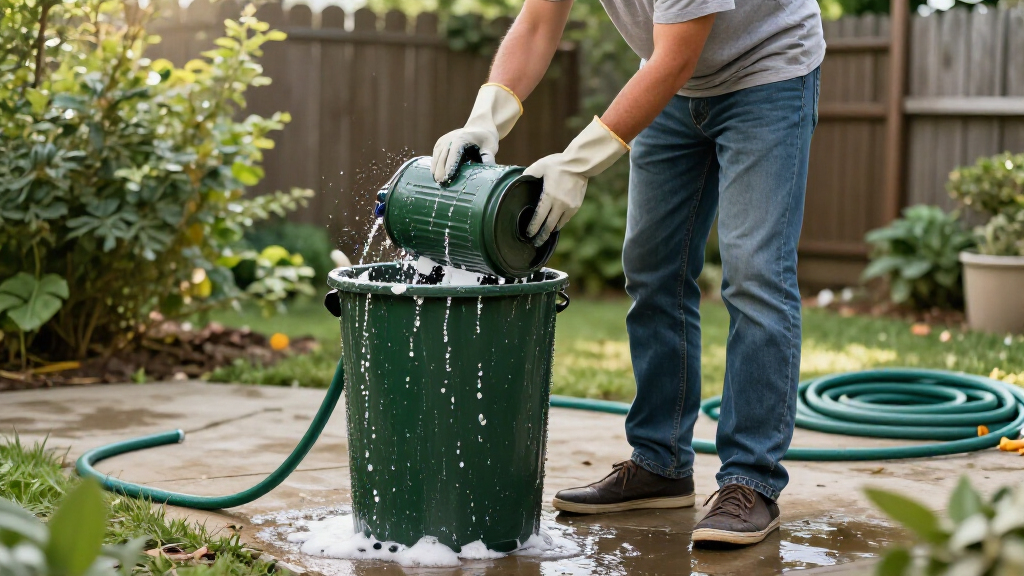
A Hunker report recommends steam cleaning indoor and outdoor garbage cans to loosen stuck-on residue and address odors. It describes using a hand steamer, removing trash and debris first, and wiping away grime; the report does not provide test results or quantify how much odor or bacteria the method removes.
Hunker recommends steam cleaning smelly indoor and outdoor garbage cans as a way to loosen stuck-on grime and tackle residue that can contribute to odors. The report says a basic hand steamer can be used, but it offers no test data showing how much the method reduces odors or bacteria.
The suggested process starts with emptying the can: remove the trash bag and pick out scraps that have fallen inside. Hunker advises reading the steamer’s instruction manual before using a new appliance. For outdoor bins with insects, the report recommends considering that problem before starting; it says steam may kill some insects if hot enough, but warns a small hand steamer may not be a practical way to handle them all.
To clean the container, move the steamer up and down each interior side so the surfaces receive steam. The outside can also be treated. Hunker advises spending extra time on stuck-on residue, then wiping it away with a sponge, paper towel or scraper. If an odor remains without an obvious source, wiping down the interior may help remove material that is not readily visible.
The report says steam’s heat and moisture can loosen grime and dissolve residue, and that heat can kill a variety of bacteria. Those statements describe the proposed mechanism, not measured results for garbage cans: the source provides no testing, temperature guidance or sanitation standard. It also says steam moisture can be left to evaporate if no further wiping is needed.
A Cleaning Option for Odorous Bins
Garbage cans can collect food scraps and other residue even when a liner is used, leaving odors that may linger after the bag is removed. Steam cleaning offers homeowners a way to treat the container itself rather than only masking the smell. That may be useful before guests arrive or after animals have disturbed an outdoor bin, situations cited in Hunker’s report.
The practical appeal is that the method uses hot water vapor rather than relying on a chemical cleaning product. But the report does not establish that steam is more effective than other cleaning methods, nor does it show that it eliminates every odor source or disinfects a bin to a particular standard. Readers should treat it as a household cleaning suggestion, not a tested sanitation guarantee.
hand steamer for cleaning garbage cans
As an affiliate, we earn on qualifying purchases.
As an affiliate, we earn on qualifying purchases.
How the Suggested Method Works
Hunker frames steam cleaning as a use for a household appliance often associated with carpets or curtains. Its explanation is that heat and moisture can soften or loosen residue, while heat may kill some bacteria. Because grime and residue can be associated with unpleasant smells, cleaning them from the can may help address an odor at its source.
The report says a specialized or high-powered machine is not required and that a handheld steamer may be sufficient. It does not compare models or specify a minimum steam temperature, treatment duration or distance from the bin. The article also notes that people uncertain about doing the work themselves could look for a local cleaning company that offers garbage-can steam cleaning.
“A simple hand steamer will work just fine.”
— Hunker report
As an affiliate, we earn on qualifying purchases.
Limits of the Cleaning Advice
The source does not say how long to steam a can, what temperature is needed, or whether the method was independently tested. It also does not quantify odor reduction or establish that steam cleaning sanitizes a bin to a defined level. Results may depend on the type of residue, the appliance and how the container is used.
Hunker says heat can kill a variety of bacteria and insects, but does not identify organisms, temperatures or exposure times. Its guidance about insects is qualified: a small handheld steamer may not be a convenient way to address a large number of them. The report also does not provide a detailed procedure for handling bins with extensive pest activity.
As an affiliate, we earn on qualifying purchases.
Steps Before Using a Steamer
Anyone trying the method should first follow the appliance manufacturer’s instructions, empty the bin and remove loose debris. Steam should be directed across the interior and, if needed, the exterior; loosened residue can then be wiped away. If an odor persists, inspect and wipe the surfaces again rather than assuming the source has been removed.
For a bin with significant insect activity, readers may prefer a different pest-control approach or seek professional help, as the report does not give a complete treatment plan. Hunker also suggests checking whether local cleaning companies offer the service. No further testing or official guidance is cited in the source material.
As an affiliate, we earn on qualifying purchases.
Key Questions
Can a handheld steamer clean a garbage can?
Hunker says a basic hand steamer can be used. It does not name a model or specify a minimum temperature or power level.
Should the garbage can be emptied first?
Yes. The report says to remove the trash bag and pick out any scraps or loose debris before steaming.
Does steam cleaning guarantee that odors will disappear?
No such guarantee is established. The report recommends steam to loosen grime and address residue, but provides no test results or measurements of odor reduction.
Do I need to dry the can afterward?
Hunker says the moisture can evaporate on its own. It recommends wiping away loosened grime; it does not give a required drying time.
What if there are insects in an outdoor bin?
The report advises dealing with insects before cleaning and cautions that a small hand steamer may not be a practical way to handle them all. It does not provide a full pest-treatment procedure.
Source: rss
Fall Picks
fall essentials
As an affiliate, we earn on qualifying purchases.