
TL;DR

Get home appliances delivered free with Prime
- Fast, free delivery on millions of items
- Prime Video, Amazon Music and more included
- Member-only deals all year
Experts recommend specific habitat modifications to help support firefly populations. This guide provides proven methods to make yards more inviting for these insects, which are declining in many areas.
Conservation experts have released practical guidance on how homeowners can transform their yards into habitats that support firefly populations. This initiative aims to combat the decline of fireflies, which are experiencing habitat loss and decreasing numbers in many regions.
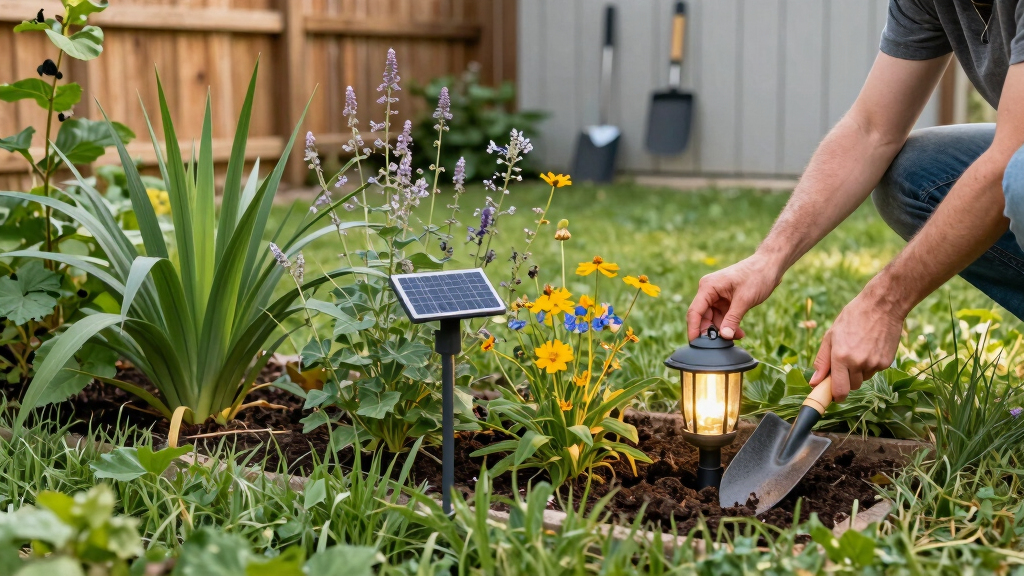
The new advice emphasizes reducing artificial lighting, planting native vegetation, and avoiding pesticide use to create a welcoming environment for fireflies. According to entomologists, these measures can significantly increase firefly sightings during peak seasons.
Specific recommendations include turning off outdoor lights at night, planting native grasses and flowers, and creating moist, undisturbed areas. Experts from the Firefly Conservation Society state that such habitat improvements can help sustain local populations and promote biodiversity.
Why Supporting Fireflies Matters for Ecosystems
Supporting fireflies is important because they play a key role in local ecosystems, acting as pollinators and prey for other wildlife. Their decline signals broader environmental issues, such as habitat destruction and pesticide overuse. Creating firefly-friendly yards can contribute to broader conservation efforts and enhance natural pest control, benefiting overall biodiversity.
Products Worth Considering

Sonos Era 100 SL Compact Microphone-Free Speaker, Black

Philips Hue Bridge Pro Smart Lighting Hub

Philips Hue Festavia 65-Foot Smart LED String Lights, 250 Color-Changing Mini LEDs
As an affiliate, we earn on qualifying purchases.
Recent Decline of Firefly Populations and Conservation Efforts
Fireflies, also known as lightning bugs, have seen declining populations across North America and other regions. Experts attribute this to habitat loss from urban development, increased outdoor lighting, and pesticide application. Conservation groups have been advocating for habitat restoration and public awareness campaigns to address these issues.
Previous initiatives have focused on protecting natural habitats and reducing artificial light pollution, but recent guidance emphasizes individual yard improvements as a practical step homeowners can take.
“Simple habitat modifications, like reducing outdoor lighting and planting native species, can make a significant difference for firefly populations.”
— Dr. Emily Carter, Entomologist
Uncertain Impact of Habitat Changes on Firefly Numbers
While experts agree that habitat improvements can help, it is still unclear how quickly firefly populations will respond to these changes. Long-term monitoring is needed to assess the effectiveness of yard-based conservation efforts, and regional differences may influence results.
Next Steps for Homeowners and Conservation Groups
Conservation organizations plan to promote these guidelines through community workshops and online resources. Researchers will also conduct studies to measure the impact of yard modifications on firefly populations over time. Homeowners are encouraged to implement these practices and share their experiences.
Key Questions
Can I see immediate results after making these changes?
It may take several seasons for fireflies to increase in your yard, as habitat improvements support their life cycle stages over time.
Are there specific native plants that attract fireflies?
Yes, native grasses, wildflowers, and certain flowering trees are known to support firefly activity by providing nectar and suitable breeding sites.
Is pesticide use the main threat to fireflies?
Pesticides are a significant threat because they harm firefly larvae and adults. Reducing or eliminating pesticide use is strongly recommended.
Can urban yards realistically support firefly populations?
Yes, with habitat modifications such as reducing light pollution and planting native vegetation, even small urban yards can become refuges for fireflies.
Source: rss