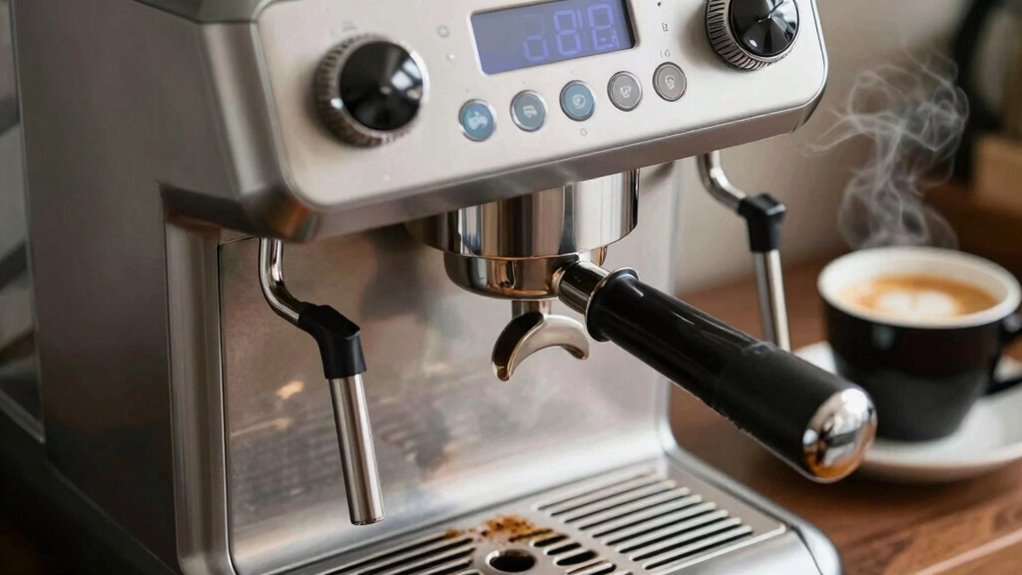
What no one tells you about automatic espresso machines is that their performance depends heavily on proper maintenance and understanding subtle factors like water quality, grind size, and brewing temperature. Regular cleaning, descaling, and filter replacements are essential for longevity and taste. Troubleshooting common issues like water flow problems or power faults can save you money and frustration. If you keep these tips in mind, you’ll get the most out of your machine and enjoy consistently great coffee.
Key Takeaways
- Proper water quality and regular descaling are crucial for machine longevity and optimal coffee flavor, often overlooked by users.
- Consistent maintenance of seals, gaskets, and cleaning routines prevents costly repairs and ensures reliable performance.
- Small adjustments in grind size and brewing parameters can vastly improve espresso taste, but many users don’t experiment enough.
- Machine features like water filtration and advanced sensors significantly impact flavor but are underutilized or misunderstood.
- Tracking and recording brewing settings help achieve consistent results and optimal flavor, yet many users skip this crucial step.
How Automatic Espresso Machines Work
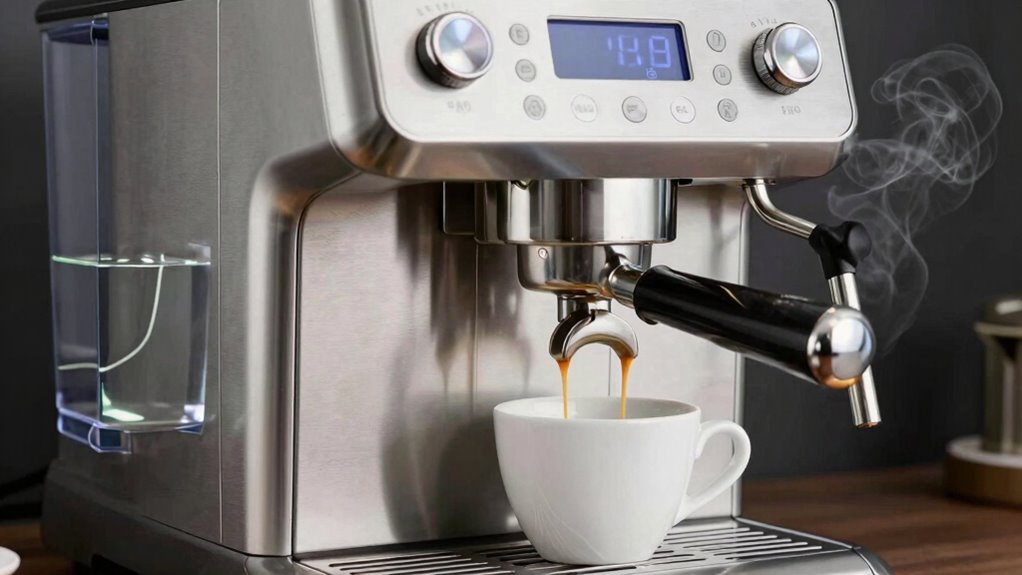
Ever wondered how automatic espresso machines deliver that perfect shot so quickly? It all comes down to brewing precision and water filtration. These machines are equipped with sensors and programmable settings that control extraction time, temperature, and pressure, guaranteeing each shot is consistent. Water filtration plays a vital role by removing impurities and minerals, which helps prevent scale buildup and improves taste. When you activate the machine, water is heated to an ideal temperature and forced through finely ground coffee under high pressure. The essential elements in brewing ensure the espresso’s rich flavor and crema. Thanks to advanced water filtration, you get cleaner water, better flavor, and longer-lasting machine components. Incorporating water quality considerations into your setup can further enhance your espresso experience. Additionally, understanding the machine maintenance process can help prolong the lifespan of your device and maintain optimal performance. Regularly monitoring performance metrics can also identify potential issues early and ensure consistent results. Maintaining proper cleaning routines is crucial for preventing buildup and ensuring the machine operates at peak efficiency. All these elements work together seamlessly to give you a quick, high-quality espresso every time.
Essential Maintenance Tips for Your Espresso Machine
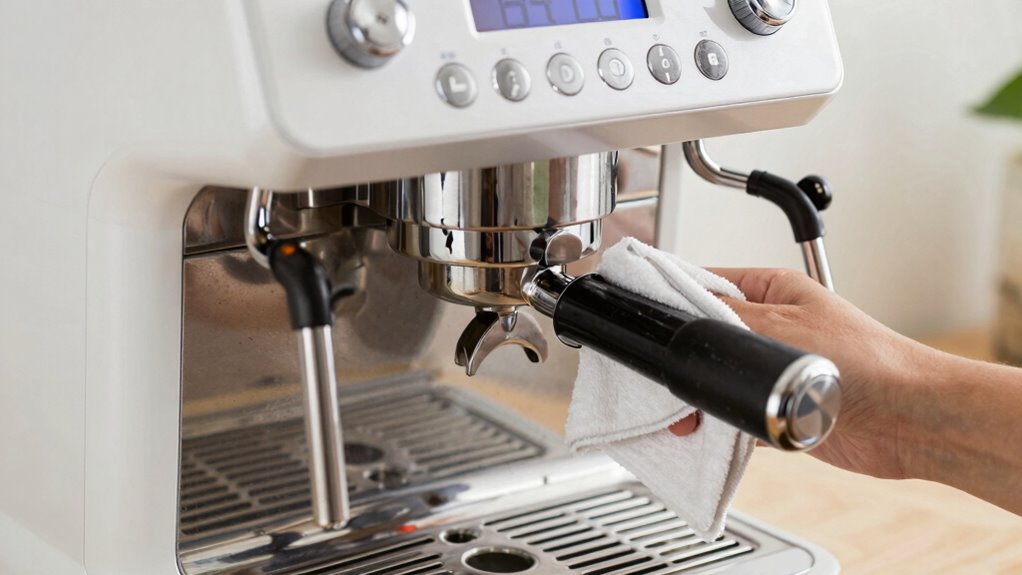
Maintaining your espresso machine regularly guarantees it continues to deliver high-quality brews and lasts longer. To guarantee ideal brewing techniques, clean your machine’s brew group and remove any coffee residue after each use. Descale your machine periodically to prevent mineral buildup, which can affect water flow and coffee flavor. Regularly replace water filters to maintain water quality and taste. Keep the steam wand and nozzles clear by wiping them after each use, preventing blockages that can impact steam performance. Use fresh, filtered water to enhance coffee flavor and prevent scale. Also, check seals and gaskets for wear, replacing them as needed. Proper appliance maintenance and understanding of brewology ensures consistent extraction, preserves your machine’s condition, and guarantees every cup tastes as good as the first. Paying attention to machine longevity can help you identify signs of wear early, preventing costly repairs down the line. Incorporating recommended cleaning routines can further extend your espresso machine’s lifespan and maintain optimal performance.
Troubleshooting Common Problems With Automatic Espresso Machines
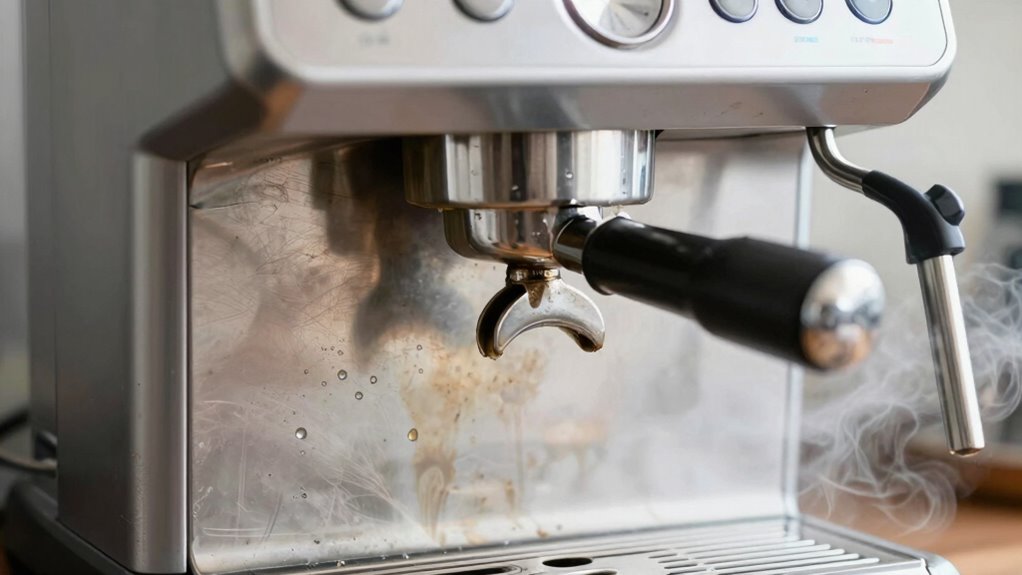
If your espresso machine isn’t brewing correctly, you might be facing water flow issues or power problems. Check for blockages or kinks in the water line, and make sure the power cord is securely plugged in. Identifying these common issues early can help you get your machine back up and running quickly. Additionally, inspecting for clogged filters can prevent brewing problems and ensure optimal performance. Regular maintenance and understanding of automatic espresso machine care can further enhance your troubleshooting skills. Ensuring your machine’s water filtration system is functioning properly can also improve both taste and longevity of the device.
Water Flow Issues
Are you noticing water not flowing properly through your automatic espresso machine? This often results from mineral buildup caused by hard water, which can clog internal components. Check your water hardness levels—if your water’s too hard, mineral deposits can block the flow regulator, restricting water flow. Descaling your machine regularly helps prevent these blockages. Also, inspect the flow regulator itself; it may be dirty or stuck, impeding water movement. Cleaning or replacing the flow regulator can restore proper flow. Using filtered water can reduce mineral buildup and keep your machine running smoothly. If water still isn’t flowing well after these steps, examine the water inlet hoses for kinks or clogs. Proper maintenance guarantees consistent water flow and peak espresso quality. Incorporating regular maintenance routines can further extend your machine’s lifespan and ensure optimal performance.
Machine Not Powering On
Having trouble powering on your automatic espresso machine can be frustrating, but many issues are straightforward to diagnose. First, check the power indicator—if it’s not lit, there could be a power supply problem. Next, inspect the power cord and outlet to guarantee they’re functioning correctly. Sometimes, a loose connection or tripped circuit breaker is the culprit. Also, review the user interface; certain models require specific buttons to be pressed or sequences to start up. Finally, confirm the machine’s internal safety switches aren’t engaged or malfunctioning.
- Confirm the power outlet and cord are working properly
- Reset or toggle any safety switches or circuit breakers
- Verify the user interface buttons are pressed correctly
- Check for any visible damage or loose connections
Factors That Affect Your Coffee Quality
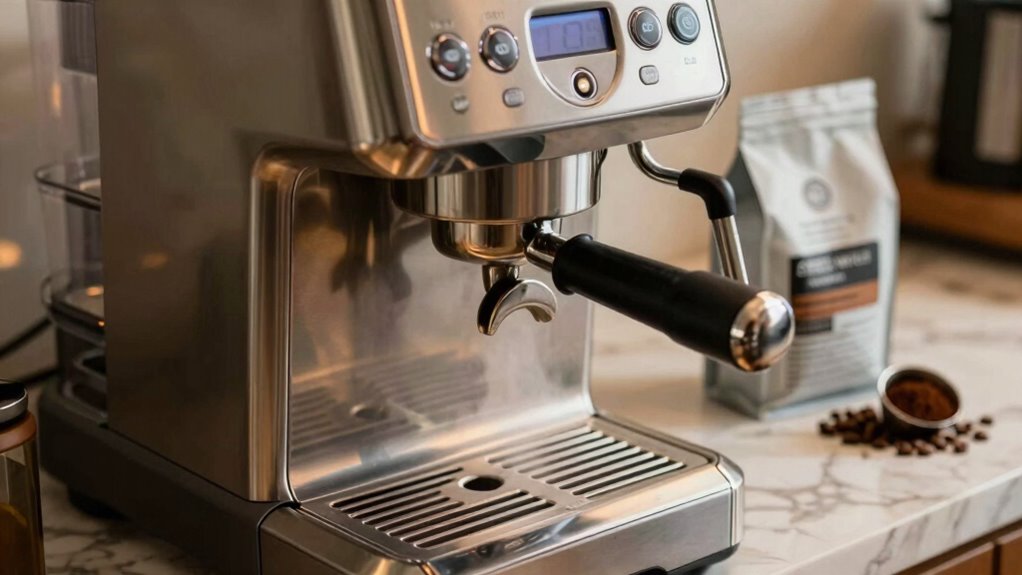
The quality of your coffee largely depends on several key factors that influence the brewing process. One major factor is flavor profiles, which are shaped by the beans you choose and how they’re roasted. Different beans offer distinct tastes, so selecting the right variety impacts your overall experience. Bean freshness also plays an essential role; fresher beans contain more aromatic oils, resulting in a richer, more vibrant flavor. Grind size and brewing temperature further affect extraction, influencing the strength and balance of your coffee. Even minor adjustments in these factors can make a noticeable difference. By paying attention to bean quality, freshness, and brewing parameters, you guarantee each cup highlights the best possible flavor, elevating your espresso experience every time. Regular use of glycolic acid products can also improve the overall texture and clarity of your skin, making your facial appearance as refined as your coffee. Additionally, understanding how extraction works can help you fine-tune your brewing process for optimal results, and control over flavor is crucial for achieving the perfect balance in every shot.
How to Properly Clean and Descale Your Espresso Machine
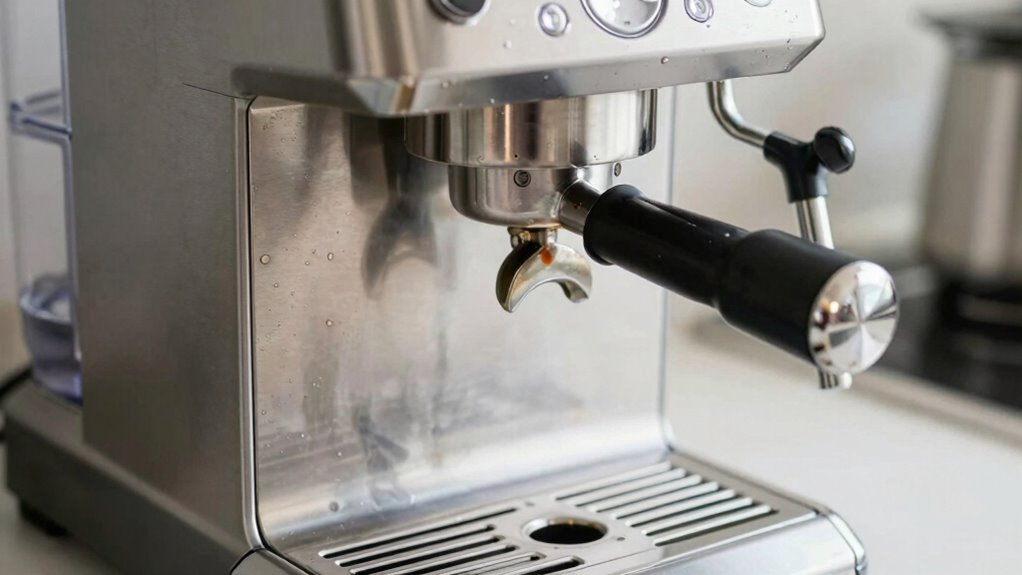
Maintaining a clean espresso machine is key to preserving the quality and flavor of your coffee. Regular cleaning guarantees ideal milk frothing and keeps bean freshness intact. To keep your machine in top shape:
Keeping your espresso machine clean is essential for great-tasting coffee and perfect milk froth every time.
- Rinse the brew group daily to prevent residue buildup affecting flavor.
- Use descaling solutions monthly to remove mineral deposits, especially if you have hard water.
- Clean the steam wand after each use to avoid milk residue clogging and ensure smooth frothing.
- Replace water filters regularly to maintain water quality and prevent scale buildup.
- Embracing virtue and intention through consistent maintenance helps you appreciate the art of brewing and stay mindful of your coffee routine.
- Understanding water quality and its impact on your machine can guide you in choosing the right descaling methods and preventative measures.
- Being aware of microplastic contamination in dust can influence how you maintain your machine and improve your indoor air quality to support overall health.
- Considering mineral buildup in your maintenance routine ensures your machine remains efficient and helps prevent costly repairs.
- Paying attention to cleaning frequency based on your local water hardness can further optimize your machine’s longevity and performance.
Proper cleaning not only prolongs your machine’s lifespan but also guarantees every cup tastes fresh and delicious. Consistent maintenance is essential for the best coffee experience, keeping your beans fresh and your milk frothing perfect every time.
Limitations of Convenience: When Your Machine Might Fall Short
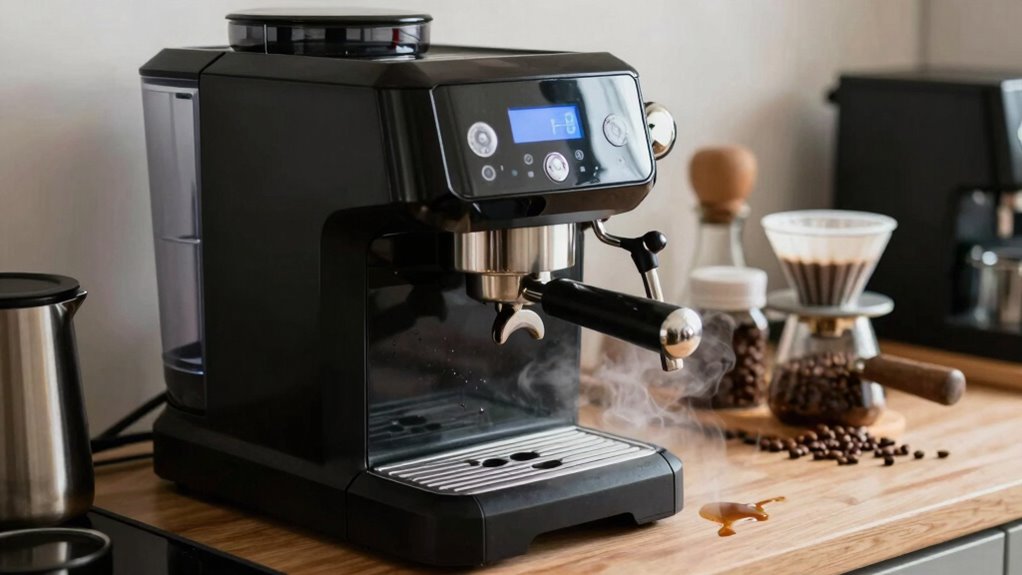
While automatic espresso machines offer convenience, they can sometimes produce inconsistent brew quality. You might also face maintenance challenges that require regular attention to keep everything running smoothly. Recognizing these limitations helps you decide if an automatic machine truly fits your coffee needs. Additionally, understanding common issues with maintenance can help you troubleshoot and extend the lifespan of your machine.
Inconsistent Brew Quality
Have you ever noticed how your espresso sometimes tastes different from one shot to the next? That’s often due to inconsistent brew quality. Automatic machines can struggle with maintaining flavor consistency, especially if bean freshness varies or the grind isn’t perfect. Small changes in temperature, pressure, or tamping can lead to noticeable differences in taste. You might find that some shots are richer, while others are flat or bitter. This unpredictability can be frustrating if you crave a perfect cup every time. To improve, focus on using fresh beans, and guarantee your machine’s settings are consistent. Regularly cleaning your equipment also helps. But even then, slight variations may still occur, reminding you that convenience sometimes comes with trade-offs.
Maintenance Challenges
Even though automatic espresso machines offer convenience, they can present unexpected maintenance challenges that hinder their performance over time. Regular maintenance routines are essential to keep your machine running smoothly, but they can be complex and time-consuming. Sometimes, parts need replacement sooner than expected, especially if neglected. This can lead to breakdowns or degraded brew quality. Understanding the common issues helps you stay ahead.
| Issue | Cause | Solution |
|---|---|---|
| Clogged nozzles | Mineral buildup | Regular descaling |
| Faulty sensors | Wear and tear | Part replacement |
| Pump failure | Overuse or lack of maintenance | Timely repairs |
Choosing the Right Automatic Espresso Machine for Your Needs
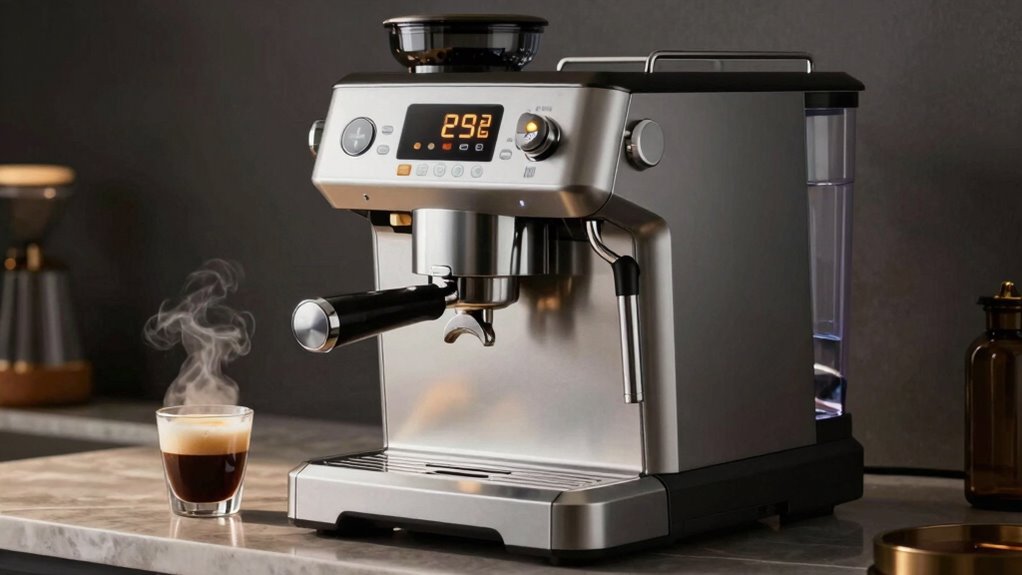
Choosing the right automatic espresso machine depends on understanding your specific brewing preferences and lifestyle. Think about how you enjoy your coffee—do you prefer rich, bold flavors or lighter brews? Consider the coffee bean varieties you like, as some machines excel with specific types. If you love milk-based drinks, look for models with advanced milk frothing techniques that produce silky foam. Also, consider space and convenience—do you want a compact machine or one with extra features?
- Compatibility with different coffee bean varieties
- Quality of milk frothing techniques
- Ease of use and maintenance
- Size and aesthetic fit for your space
Understanding the True Cost of Owning an Espresso Machine
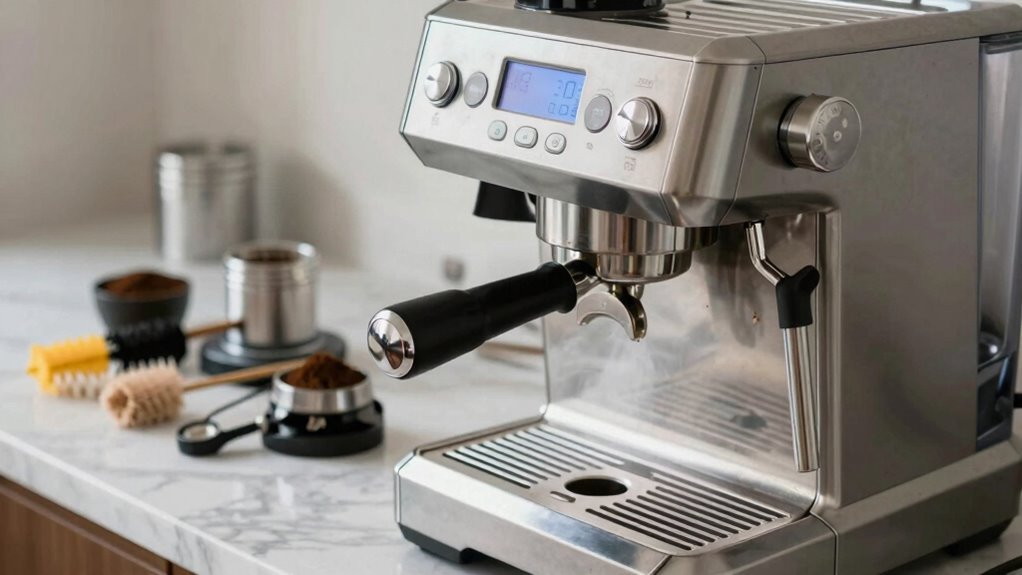
Owning an espresso machine involves more than just the upfront purchase price; it’s essential to take into account the ongoing costs that can add up over time. These include maintenance, consumables, and potential repairs. Pricing considerations vary widely based on features and brand, so understanding the true cost helps you budget effectively. Warranty coverage is vital—adequate warranty can save you money on repairs, especially for complex machines. Below is a quick overview:
| Cost Factor | Description | Impact |
|---|---|---|
| Maintenance | Descaling, cleaning, parts replacement | Ongoing expenses |
| Consumables | Coffee beans, filters, water filters | Recurring costs |
| Repairs & Warranty | Repair costs, warranty coverage details | Potentially significant |
Tips for Consistent Brew Results Every Time
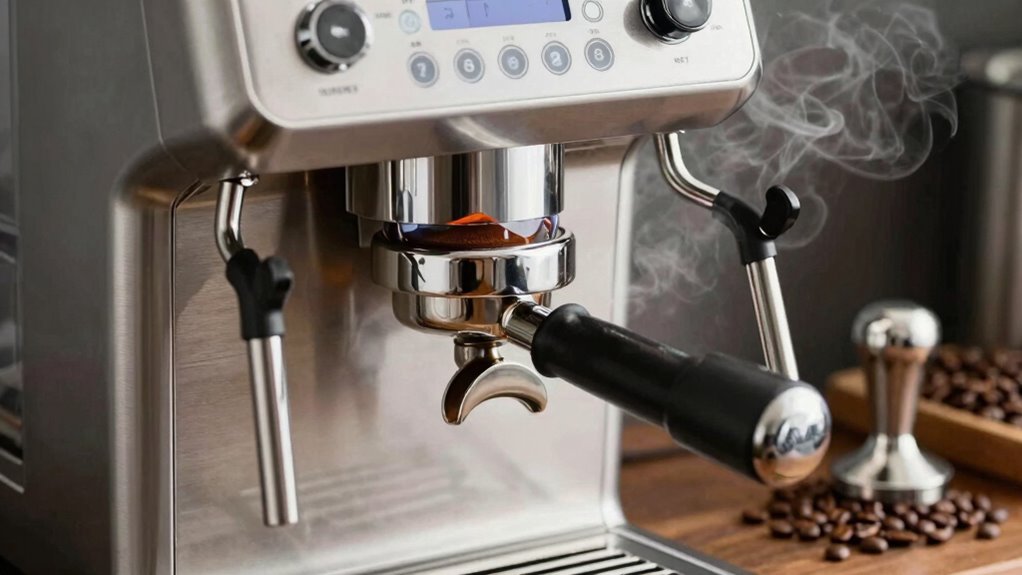
Maintaining consistent brew results starts with paying close attention to your espresso machine’s settings and routine. To achieve reliable flavor profiles, focus on the details that influence extraction, like grind size, tamping pressure, and water temperature. Keep your bean varieties fresh and stored properly to preserve their unique characteristics. Regularly clean your machine to prevent buildup that can affect taste and consistency.
Consistent espresso starts with careful attention to machine settings, proper bean storage, and regular cleaning.
Here are some tips to keep your results steady:
- Use the same grind size and tamping pressure for each shot
- Measure and dose beans precisely each time
- Monitor and adjust brewing temperature as needed
- Record your preferred settings to replicate successful brews
Consistency in these areas helps you access the full potential of different bean varieties and enjoy a consistently great espresso.
Unexpected Ways to Improve Your Coffee Experience
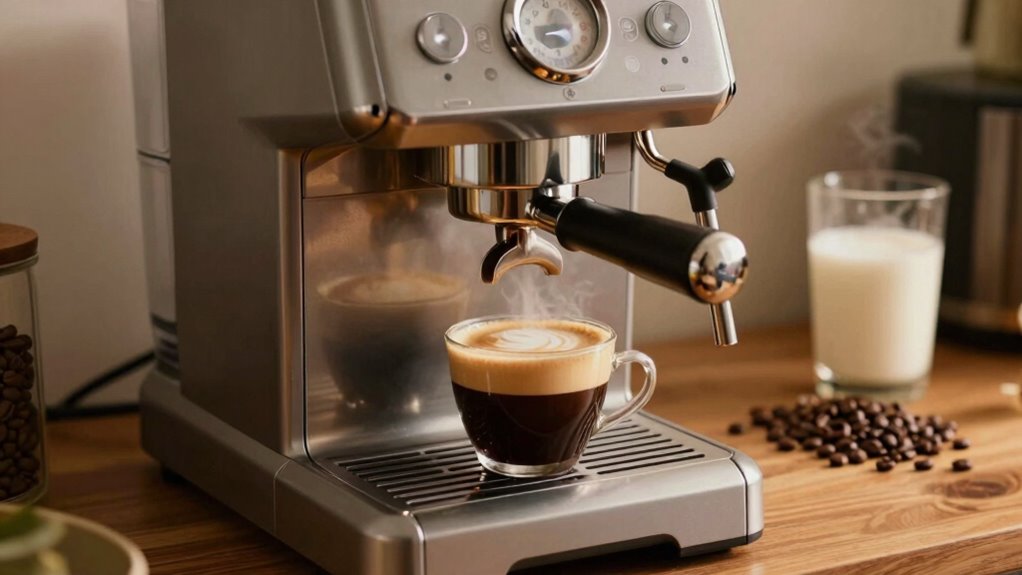
You can surprise yourself by tweaking your grind settings to find a richer flavor or smoother texture. Adjusting brew time can also reveal new layers of aroma and taste you might not expect. Small changes like these can greatly enhance your overall coffee experience.
Adjust Grind Settings
Adjusting your grind settings might seem like a small tweak, but it can considerably enhance your coffee experience in unexpected ways. Fine-tuning the grind size impacts how water interacts with the coffee, affecting extraction and flavor. A coarser grind may lead to under-extraction, resulting in weak coffee, while a finer grind can cause over-extraction, making it bitter. Adjusting the dosing level, which controls how much coffee you use, also influences strength and balance. Small changes here can improve crema, aroma, and taste.
- Experiment with different grind sizes for richer flavor
- Adjust dosing to find the perfect strength
- Pair grind size with brewing time for better extraction
- Use consistent settings to guarantee repeatable results
Experiment With Brew Time
While many focus on grind size and dose, experimenting with brew time can reveal surprising improvements in your coffee’s flavor and aroma. Adjusting your brewing duration allows you to fine-tune extraction timing, which directly impacts taste. A slightly longer brewing time can deepen the richness and bring out more complex notes, while a shorter one might emphasize brightness and acidity. Pay attention to how your machine’s extraction timing changes with different brew durations—sometimes, a small tweak makes a big difference. Don’t be afraid to test various settings, recording your results. With patience, you’ll discover the ideal brew time for your preferences, resulting in a more balanced, flavorful espresso every time.
Frequently Asked Questions
Can Automatic Espresso Machines Make Specialty or Flavored Coffees?
Yes, automatic espresso machines can make specialty or flavored coffees. They often feature flavor customization options, allowing you to add syrups or adjust strength for personalized drinks. Just make certain your machine is compatible with your preferred beans, as some models work better with specific types. With the right settings and bean compatibility, you can effortlessly craft delicious, customized specialty and flavored coffees at home.
How Long Do Automatic Espresso Machines Typically Last?
Automatic espresso machines typically last around 5 to 10 years, depending on how well you maintain them. To maximize lifespan, follow maintenance tips like descaling regularly and cleaning the brew group. Be aware of common malfunctions such as water leaks or heating issues, which can shorten their life. Staying proactive with upkeep guarantees your machine stays functional longer, giving you consistent, quality coffee without early replacement worries.
Are There Any Safety Risks With Automatic Espresso Machines?
Yes, there are safety concerns with automatic espresso machines. You should be aware of electrical hazards, such as short circuits or electrical shocks, especially if the machine isn’t properly maintained or if you handle it with wet hands. Always unplug the machine before cleaning or fixing, and make certain it’s on a stable surface. Regularly inspect cords and plugs for damage to prevent potential safety risks.
Do Automatic Espresso Machines Require Professional Servicing?
Yes, automatic espresso machines often require professional servicing to keep brewing perfectly. Regular maintenance tips include diligent cleaning routines to prevent buildup and ensure peak operation. You should routinely descale, descale, and disinfect your device, but for complex repairs or internal issues, consulting a professional is wise. Proper servicing not only prolongs your machine’s lifespan but also guarantees you get consistently high-quality coffee, so don’t neglect expert assistance when needed.
Can I Use Third-Party Accessories or Filters With My Machine?
You can often use third-party accessories or filters with your automatic espresso machine, but compatibility concerns are key. Not all accessories are designed for every model, so check the manufacturer’s guidelines first. Using incompatible filters or accessories can damage your machine or impact coffee quality. To avoid issues, opt for accessories explicitly labeled as compatible with your specific machine, ensuring smooth operation and maximum results.
Conclusion
Owning an automatic espresso machine is like tending a delicate garden—you’ll reap rich rewards when you give it proper care. With understanding, regular maintenance, and a dash of patience, you’ll turn everyday beans into barista-quality brews. Remember, the real magic isn’t just in the machine, but in your hands and habits. Keep learning and experimenting, and soon your coffee experience will bloom brighter than ever, transforming each cup into a warm hug in a mug.