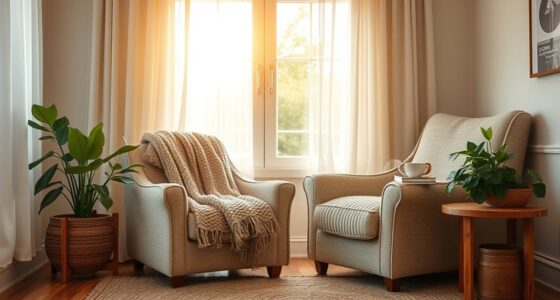
In luxury design, negative space plays a vital role in highlighting elegance, simplicity, and sophistication. By thoughtfully leaving areas empty, you create a balanced composition that draws attention to key features, fostering a sense of calm and clarity. It signals exclusivity and quality without overwhelming the viewer, making each element stand out naturally. Mastering negative space elevates your design’s overall impact—exploring this further can help you craft truly refined visuals.
Key Takeaways
- Negative space emphasizes elegance and sophistication by creating a minimalist, clutter-free aesthetic that highlights key design elements.
- Strategic use of negative space guides viewer attention and establishes a refined visual hierarchy.
- It fosters a sense of exclusivity and value by inviting contemplation and highlighting important features naturally.
- Proper negative space balance enhances overall harmony, making designs appear more polished and timeless.
- Mastery of negative space elevates the perception of luxury through subtlety, refinement, and thoughtful composition.

Negative space, often overlooked, plays a crucial role in luxury design by emphasizing elegance and sophistication. When you incorporate negative space thoughtfully, you’re not just creating empty areas; you’re shaping a visual experience that highlights the essence of your design. This approach aligns perfectly with minimalist aesthetics, where less truly becomes more. By allowing ample negative space around key elements, you create a sense of calm and clarity, ensuring each piece commands attention without overwhelming the viewer. It’s about making strategic decisions—knowing when to leave space and when to fill it—so that your design feels balanced and refined.
In luxury interiors or branding, negative space serves as a silent communicator of quality. It directs your eye to focal points, whether that’s a stunning piece of artwork, an elegant piece of furniture, or a carefully curated logo. This use of space helps achieve visual balance, which is essential in high-end design. When you avoid clutter and give each element room to breathe, your overall composition becomes more harmonious. You might think of it as a dance where each step is intentional; negative space provides the rhythm, allowing your design to flow effortlessly. This not only elevates aesthetic appeal but also enhances functionality, making spaces feel more inviting and less chaotic.
Furthermore, negative space in luxury design fosters a sense of exclusivity. When you leave certain areas intentionally empty, it signals that what’s present is valuable and worth noticing. It invites contemplation and appreciation of fine details, reinforcing a sense of sophistication. Whether you’re working on a gallery wall, a website layout, or a high-end product, the strategic use of negative space ensures that nothing detracts from the main focus. It’s about creating a visual hierarchy where the most important features stand out naturally, guiding your audience’s gaze effortlessly.
Additionally, integrating negative space thoughtfully can help emphasize the overall visual hierarchy, making your design more intuitive and engaging. Ultimately, mastering negative space in luxury design isn’t about emptiness; it’s about precision. You learn to see space as an active element that complements the design’s core message. When used correctly, negative space enhances minimalist aesthetics and achieves visual balance, making every detail more impactful. It’s the subtle art of restraint—knowing when to hold back and let the design breathe—resulting in a polished, sophisticated outcome that exudes timeless elegance. By embracing negative space, you elevate your design to a level where simplicity and luxury meet seamlessly, leaving a lasting impression of refinement.
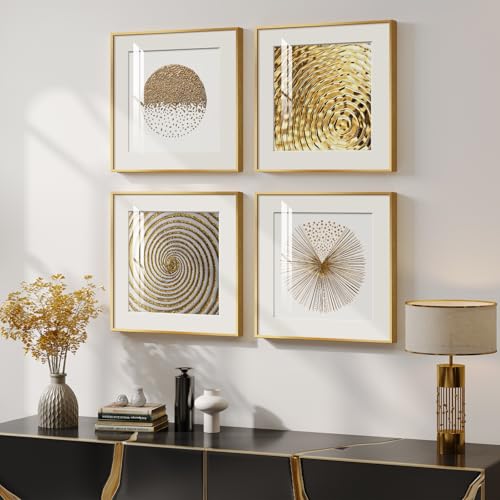
4 Pcs Framed Modern Gold and White Wall Art, Luxury Minimalist Canvas Pictures Prints, Geometric Painting Artwork Home Decoration for Hallway, Bathroom, Dining Room and Living Room
Perfect Size: This set of 4 gold abstract wall art prints, each measuring 12×12 inches, combines ripples, spirals,…
As an affiliate, we earn on qualifying purchases.
As an affiliate, we earn on qualifying purchases.
Frequently Asked Questions
How Does Negative Space Influence Consumer Perception of Luxury?
Negative space influences your perception of luxury by creating visual balance and emphasizing key elements. It fosters aesthetic minimalism, making designs appear refined and sophisticated. When you see ample negative space, you subconsciously associate it with exclusivity and high quality. This subtle use of negative space guides your focus, enhances clarity, and elevates the overall elegance of a product or space, reinforcing its luxurious appeal.
Are There Cultural Differences in the Use of Negative Space in Luxury Design?
Yes, cultural differences shape how you see negative space in luxury design. In some cultures, like Japan, cultural symbolism and artistic minimalism emphasize simplicity and balance, making negative space a sign of sophistication. Conversely, Western traditions may favor filling space for expression. Recognizing these differences helps you appreciate how negative space is used to convey luxury, sophistication, and cultural identity across diverse design contexts.
Can Negative Space Be Used to Convey Brand Identity Subtly?
Yes, you can use negative space to convey brand identity subtly. By incorporating minimalist branding, you allow the negative space to highlight key elements, creating a refined and sophisticated look. This subtle messaging draws attention without overwhelming your audience, reinforcing your brand’s elegance and clarity. When thoughtfully applied, negative space becomes a powerful tool that communicates your brand’s values and personality in a discreet yet impactful way.
What Materials Enhance the Effectiveness of Negative Space in Luxury Interiors?
You enhance negative space in luxury interiors by carefully selecting materials that emphasize simplicity and elegance, like high-quality marble, glass, or matte finishes. These materials create a sense of spatial harmony, allowing negative space to breathe and draw attention to key design elements. Opt for sleek, understated textures that complement open layouts, letting the negative space serve as a subtle backdrop that elevates the overall sophistication of the environment.
How Does Negative Space Impact the Functionality of Luxury Products?
Negative space enhances the functionality of luxury products by emphasizing ergonomic simplicity and visual clarity. You’ll find that well-placed negative space reduces clutter, making products easier to use and more intuitive. This thoughtful use of space guides your eye effortlessly, creating a seamless experience. As a result, the product feels more refined and user-friendly, allowing you to appreciate its luxury qualities without distraction or confusion.
high-end furniture with negative space
As an affiliate, we earn on qualifying purchases.
As an affiliate, we earn on qualifying purchases.
Conclusion
As you step back and gaze at a beautifully crafted luxury space, the negative space surrounds and highlights every detail like a whisper of elegance. It’s the quiet breath between bold strokes, the gentle pause that lets your eyes rest and appreciate the craftsmanship. Embracing negative space transforms a room into a serene sanctuary, where luxury isn’t just seen but felt—an invitation to breathe, relax, and immerse yourself in understated sophistication.

Elegant Golden Real Estate Logo | Luxury Property Branding Design
As an affiliate, we earn on qualifying purchases.
As an affiliate, we earn on qualifying purchases.

Camden Reed Mixed Gallery Wall Frame Set, (2) 16×20 Inch, (1) 11×14 Inch, and (2) 8×10 Inch, 9 Piece, Brass
Contemporary Gallery Frame Set – This collection features 9 mixed gallery wall frames. Each frame is finished in…
As an affiliate, we earn on qualifying purchases.
As an affiliate, we earn on qualifying purchases.