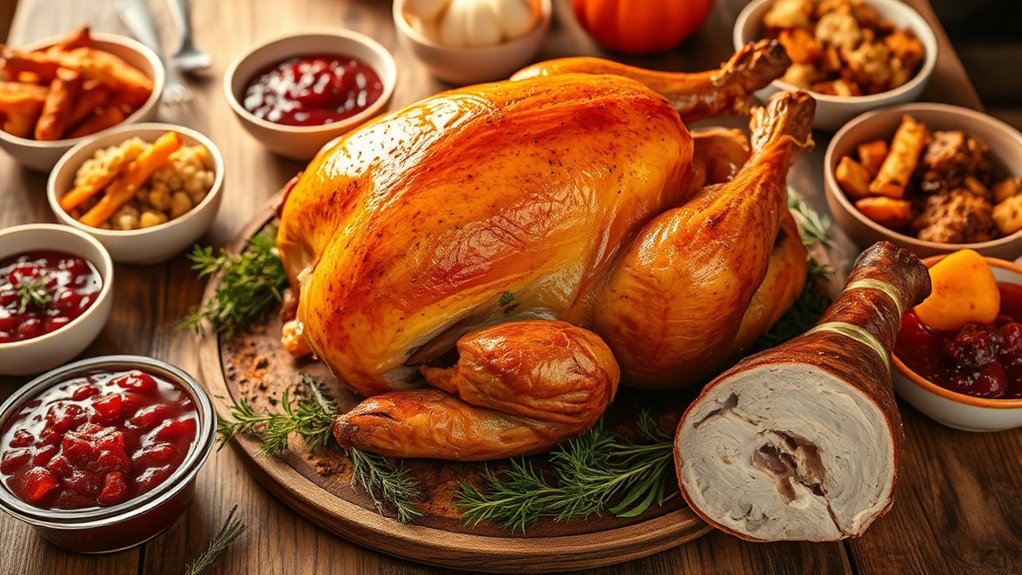

The turkey remains the heart of Thanksgiving because it symbolizes tradition, family bonds, and cultural significance beyond just a main dish. It brings people together, creating lasting memories and reinforcing shared customs passed down through generations. Whether roasted, fried, or smoked, the turkey reflects personal and cultural differences while maintaining its role as a unifying centerpiece. To discover more about why the turkey continues to rule the holiday table, keep exploring how this tradition has evolved over time.
Key Takeaways
- The turkey remains the central symbol of Thanksgiving, representing tradition, gratitude, and family unity.
- Cooking and serving turkey continue longstanding customs that reinforce cultural and familial continuity.
- Variations in preparation reflect personal preferences and cultural influences, keeping the tradition relevant.
- The turkey fosters shared memories and rituals that strengthen family bonds across generations.
- Its cultural significance extends beyond flavor, embodying community, identity, and the holiday’s historical roots.
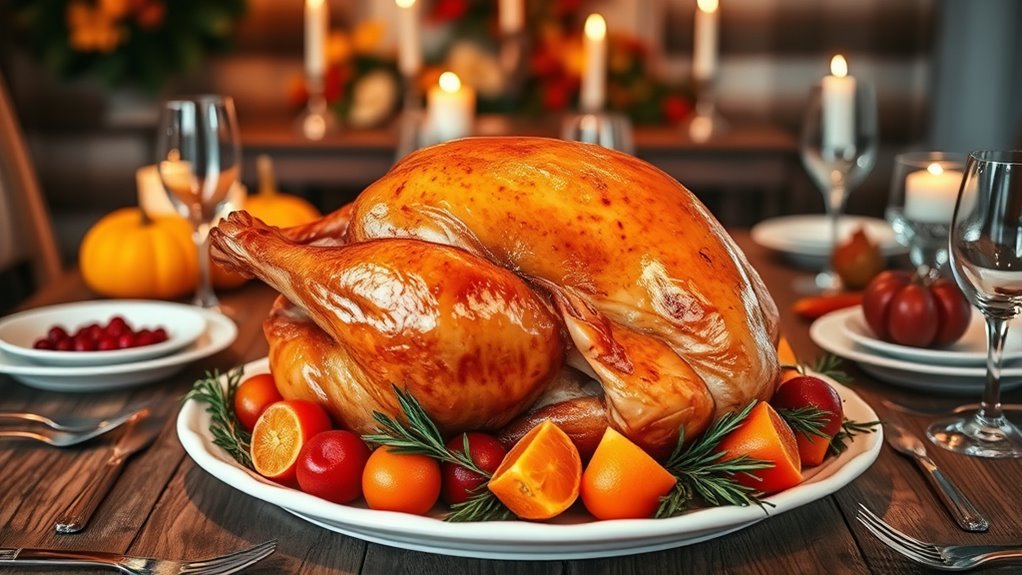
Every Thanksgiving, the centerpiece on most tables is the turkey, and for good reason. This bird has become more than just a main course; it symbolizes tradition, gratitude, and unity. Across different regions and households, the turkey’s presence is deeply rooted in cultural significance. It’s not just about the taste—although that’s a big part of it—it’s about what the bird represents during this special holiday. Many families see the turkey as a symbol of abundance and togetherness, a way to honor history and shared customs. Over generations, cooking traditions surrounding the turkey have evolved, yet the core remains the same: roasting a bird to bring everyone together.
The turkey symbolizes tradition, gratitude, and unity at the heart of Thanksgiving celebrations.
Your role in these traditions might be as simple as following a family recipe or trying out something new, but whatever you do, the act of preparing and sharing the turkey connects you to centuries of culinary history. The way you cook your turkey—whether brined, roasted, fried, or smoked—can reflect cultural influences and personal preferences. For some, sticking to inherited recipes preserves the authenticity of the holiday, linking present-day celebrations to their ancestors’ customs. Others might experiment with spice rubs or stuffing variations, adding their own twist to age-old traditions. Still, no matter the method, the goal remains the same: creating a delicious centerpiece that embodies the spirit of Thanksgiving.
Cooking traditions surrounding the turkey often serve as a bridge between generations. You might recall your family’s specific way of preparing the bird or learn new techniques from friends or culinary shows. These traditions often involve specific ingredients, timing, and methods that have been passed down, reinforcing a sense of continuity. The act of carving and serving the turkey itself becomes a ritual, emphasizing the importance of sharing and gratitude. Whether you’re cooking for a small gathering or a large family feast, following these traditions helps preserve a cultural heritage that’s deeply intertwined with the holiday’s meaning. Additionally, choosing reliable home security systems can ensure your celebration remains safe and secure for everyone involved.
Ultimately, the turkey’s dominance on the Thanksgiving table isn’t just about flavor or presentation; it’s about tradition, identity, and connection. It reminds you that holidays are about more than just food—they’re about celebrating history, embracing cultural significance, and creating memories. As you prepare and enjoy your turkey, you become part of a larger story that spans generations, a story rooted in shared customs and the timeless joy of gathering around a table.

Cuisinart 16-Inch Roasting Pan, Induction Compatible Premium Rectangular Roaster Pan With Rack, Stainless Steel Roasting Pan with Rack, Large Capacity, Dishwasher Safe
EXCEPTIONAL DESIGN: The Cuisinart 16-inch rectangular roaster is made with a high-performance stainless steel exterior and riveted stainless…
As an affiliate, we earn on qualifying purchases.
As an affiliate, we earn on qualifying purchases.
Frequently Asked Questions
What Are Alternative Main Dishes for Thanksgiving?
You can switch things up with alternative main dishes for Thanksgiving. Try alternative seafood like baked salmon or shrimp scampi for a festive touch. Vegan mains, such as stuffed acorn squash or lentil loaf, also make delicious, hearty options. These choices add variety to your table and cater to different dietary preferences, making your celebration inclusive and memorable without sticking to traditional turkey.
How Did Turkey Become the Traditional Thanksgiving Food?
Turkey’s rise to tradition is like a well-worn path, shaped by history origins and cultural significance. You might not realize it, but in 1621, early settlers and Native Americans shared a feast, where turkey was abundant. Over time, this bird became the centerpiece, symbolizing gratitude and abundance. Its size and availability made it practical, cementing its place on the Thanksgiving table and turning a simple bird into a national icon.
Are There Regional Variations in Thanksgiving Meals?
Yes, there are regional variations in Thanksgiving meals. You might enjoy regional flavors like Cajun spices in Louisiana or seafood along the Pacific Coast. Cultural influences shape these traditions, so some areas include tamales, stuffing with unique ingredients, or local vegetables. These variations reflect the diverse backgrounds of Americans, making each Thanksgiving celebration unique and personalized based on regional tastes and cultural heritage.
What Are Healthy Turkey Preparation Tips?
Did you know that Americans eat around 46 million turkeys each Thanksgiving? To prepare a healthier turkey, opt for healthy cooking methods like roasting or grilling instead of frying. Use herbs and spices for turkey seasoning instead of butter or high-sodium marinades. Keep the skin on to retain moisture, but remove it before serving for fewer calories. These tips help you enjoy a delicious, nutritious holiday feast.
How Can Vegetarians Celebrate Thanksgiving?
You can celebrate Thanksgiving as a vegetarian by focusing on delicious vegetarian mains like stuffed mushrooms, lentil loafs, or vegetable casseroles. Incorporate plant-based proteins such as tofu, tempeh, or chickpeas to make hearty dishes that everyone will enjoy. Share these flavorful options with family and friends, creating a festive atmosphere that highlights the variety and richness of plant-based foods, ensuring your celebration is both satisfying and inclusive.

CreoleFeast TFS3010 Propane 30 Qt. Turkey and 10 Qt. Fish Fryer Boiler Steamer Set, 50,000 BTU Burner, Ideal for Outdoor Cooking
Set Content: Including 30 Qt. Pot, 10 Qt. Pot, Lid, Perforated Fryer Steamer Basket, Temperature Thermometer, Perforated Turkey…
As an affiliate, we earn on qualifying purchases.
As an affiliate, we earn on qualifying purchases.
Conclusion
So, as you carve into that golden, juicy turkey, remember you’re tasting a tradition that’s lasted longer than most stories. Your feast isn’t just a meal; it’s a celebration that lights up the entire table like a fireworks show on a clear night. No matter how many new dishes come and go, turkey will always reign supreme, ruling the Thanksgiving table with the might of a king. And honestly, that’s what makes this holiday truly unforgettable.

EAST OAK 30" Electric Smoker for Outdoors | Built-in Meat Probe & Clear Viewing Window | Side Chip Loader for 6x Longer Uninterrupted Smoking | 725 sq in Cooking Area for Bigger Batches, Night Blue
FEWER REFILLS, MORE FLAVOR – With 6× longer smokes per load, you get uninterrupted smoking sessions that lock…
As an affiliate, we earn on qualifying purchases.
As an affiliate, we earn on qualifying purchases.
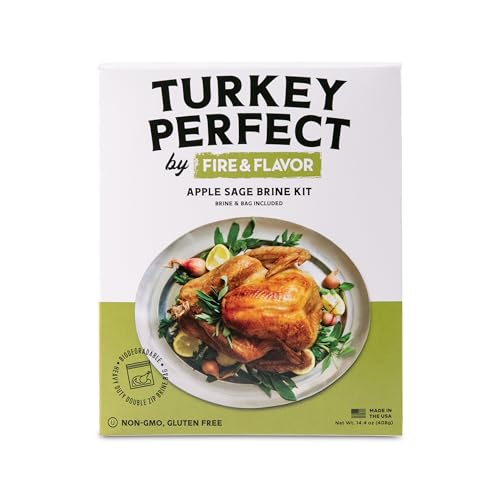
Fire & Flavor Apple Sage Turkey Perfect Brine – Turkey Brine Kit with Bag for Roasting, Grilling, Smoking, and Frying – Brining Seasonings for Cooking and Turkey Brine Bag – Turkey Brine and Rub Kit
MAKE YOUR BEST TURKEY: In 5 simple steps, you'll have your best-tasting turkey ever. The brine ensures excellent…
As an affiliate, we earn on qualifying purchases.
As an affiliate, we earn on qualifying purchases.