
TL;DR
Recent studies indicate that modern interior decor might negatively affect brain function. Experts warn that the prevalent minimalist and sleek styles could be contributing to cognitive strain. The findings are preliminary, but the implications could influence future design trends.
New research suggests that contemporary interior design styles may be contributing to increased cognitive strain among individuals. The findings, published in a recent psychological journal, indicate that certain modern decor elements could be affecting mental clarity and focus, raising concerns among designers and mental health professionals.

Get home appliances delivered free with Prime
- Fast, free delivery on millions of items
- Prime Video, Amazon Music and more included
- Member-only deals all year
Researchers from the Cognitive Environment Institute analyzed the effects of various interior decor styles on participants’ mental performance. The study compared traditional, cluttered, and modern minimalist environments, finding that the latter was associated with higher reported mental fatigue and decreased concentration.
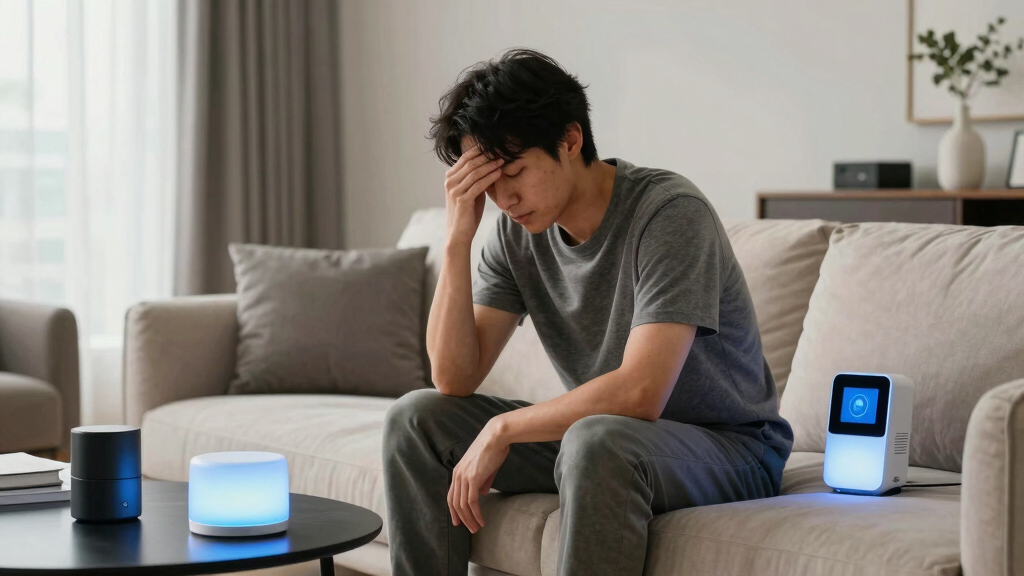
According to Dr. Lisa Chen, lead author of the study, “Participants exposed to minimalist and sleek decor reported feeling more mentally exhausted after short periods of engagement, compared to those in more traditional, cluttered spaces.” The study emphasizes that visual simplicity and lack of stimuli in modern decor might reduce cognitive engagement, leading to mental strain.
While these findings are preliminary, they align with anecdotal reports from some individuals who feel that modern, sparse environments make it harder to focus or feel comfortable, especially in work or study settings.
Implications for Interior Design and Mental Well-being
This research raises important questions about the mental health impacts of interior design choices. If modern decor contributes to cognitive fatigue, it could influence how homes, offices, and public spaces are designed in the future. Mental fatigue can affect productivity, mood, and overall well-being, making this a relevant concern for both consumers and professionals.
Design experts and psychologists caution that while aesthetic preferences are personal, understanding potential mental effects is essential for creating environments that support cognitive health. The findings could prompt a reevaluation of minimalist and sleek styles, especially in spaces meant for prolonged use.
Products Worth Considering

Ring Alarm 8-Piece Home Security System Kit

Ring Alarm 5-Piece Home Security Kit

Philips Hue Play Floor Lamp, RGBWWIC LED, 53 Inch, Black
As an affiliate, we earn on qualifying purchases.
Recent Trends in Interior Design and Cognitive Research
Over the past decade, modern decor characterized by clean lines, neutral palettes, and minimal clutter has gained popularity. This style is often associated with sophistication and simplicity. However, some psychologists and environmental researchers have long debated whether such environments promote mental clarity or contribute to sensory deprivation.
Previous studies have shown that cluttered spaces can increase stress, but less is known about the effects of overly sparse environments. The current research adds to this ongoing discussion by providing empirical data on cognitive load in different interior styles.
As interior design continues to evolve, these findings may influence industry standards and consumer choices, especially as remote work and home offices become more prevalent.
“”Participants exposed to minimalist and sleek decor reported feeling more mentally exhausted after short periods of engagement.””
— Dr. Lisa Chen
Unconfirmed Aspects of Decor’s Impact on Brain Function
While the study suggests a link between modern decor and cognitive strain, it is not yet clear whether these effects are long-term or primarily subjective. The research sample was limited, and further studies are needed to establish causality and explore individual differences.
Experts caution that more comprehensive research is required to determine whether specific design elements are responsible and how significant the impact truly is across diverse populations.
Next Steps in Research and Design Guidelines
Researchers plan to conduct larger-scale studies to verify and expand upon these findings. Meanwhile, interior designers and mental health professionals are encouraged to consider these preliminary results when advising clients and designing spaces.
Future guidelines may emerge that balance aesthetic appeal with cognitive health, potentially leading to new standards for interior environments that promote mental well-being.
Key Questions
Can modern decor cause long-term cognitive problems?
Currently, there is no conclusive evidence that modern decor causes long-term cognitive issues. The research indicates a possible short-term increase in mental fatigue, but further studies are needed to determine long-term effects.
Which specific design elements might contribute to cognitive strain?
Preliminary findings suggest that minimalism, neutral color palettes, and lack of visual stimuli could play a role, but definitive causal links have not yet been established.
Should I avoid modern decor for my workspace?
Not necessarily. If you find that minimalist environments make it harder to focus, consider adding elements that stimulate your senses or provide comfort, while maintaining a balanced aesthetic.
Are there alternative interior styles that support mental health?
Traditional, cluttered, or colorful environments with varied textures and visual stimuli are often associated with increased comfort and mental engagement, but individual preferences vary.
Source: hn